Trust & transparency
Evidence & disclosures
Evidence basis: Mixed evidence. The article combines more than one evidence type; the evidence summary identifies which claims come from which basis.
Combines my recovery experience with Dr. Rahul Aggarwal’s published nutrition presentation; it summarizes a lesson, not individualized dietary or medical advice.
Sources checked: Aug 20, 2026
Linked references: 6 explicit sources in the article.
After open-heart surgery, valve repair/replacement, endocarditis, antibiotics, cardiac rehab, and a growing pile of blood work, I am learning that recovery is not just one thing. It is not only medicine. It is not only rest. It is not only rehab. It is also what I put into my body while it is trying to rebuild.
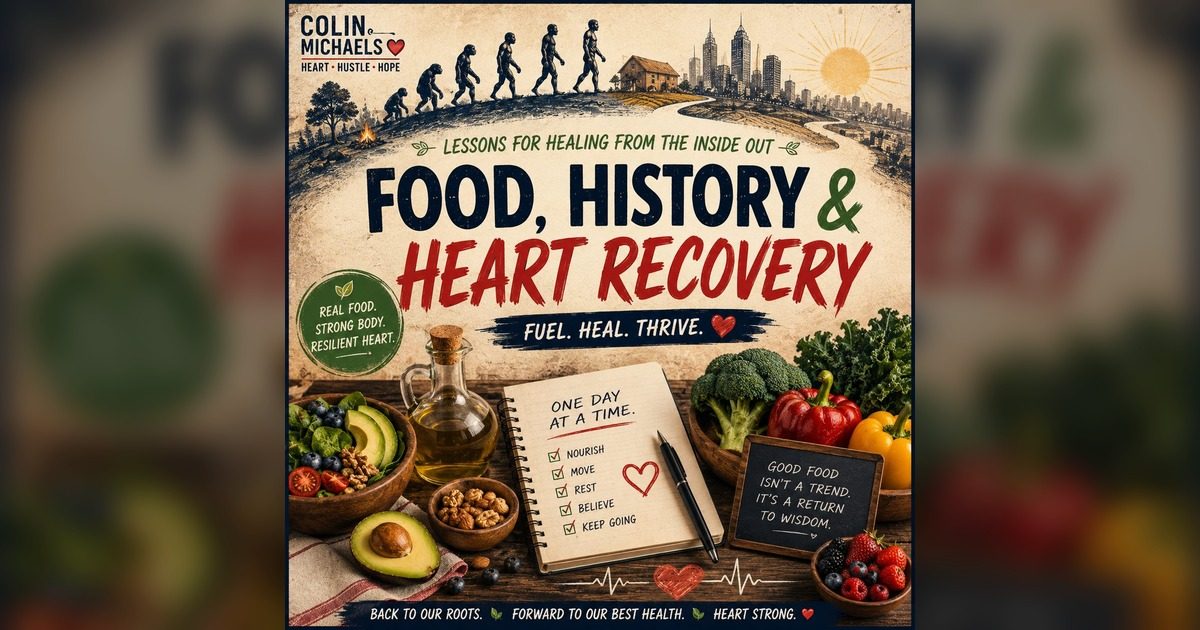
That is why Dr. Rahul Aggarwal’s presentation, Nutrition Detour - Part 1, hit differently for me. The talk frames nutrition as a journey from ancestral eating patterns to the modern Standard American Diet, then back toward a more intentional way of eating. After heart surgery, that is not just interesting history. It feels personal.
Recovery is not just about surviving the surgery. It is about learning how to live better after it.
My biggest takeaway from this season of recovery.
Who Is Dr. Rahul Aggarwal?
Dr. Rahul Aggarwal, MD, FACC is a board-certified, fellowship-trained cardiologist with Jupiter Medical Center Physician Group in Jupiter, Florida. His background includes medical training at the University of Florida College of Medicine and fellowship training in cardiology and interventional cardiology at Wake Forest University School of Medicine.
His listed clinical interests include general cardiology, invasive and interventional cardiology, stress testing, echocardiography, nuclear cardiology, peripheral vascular disease, and ASD/PFO disease. For someone recovering from valve surgery and endocarditis, it matters to hear nutrition discussed by someone who spends his career around real heart disease, real patients, and real consequences.
Video Sections Referenced
These timestamp links are included so readers can jump into the parts of the presentation that inspired this post:
- 0:00 - Opening: Why this is a “Nutrition Detour”
- 5:00 - From ancestral eating to the Standard American Diet
- 15:00 - Metabolism as the missing context
- 25:00 - The modern food environment and processed-food problem
- 39:50 - Recovery takeaway section referenced for this post
- 55:00 - Turning the lesson into daily choices
The Main Theme: Food Has a History
One thing I appreciated about the presentation is that it does not treat food like a simple checklist of good foods and bad foods. It zooms out. How did we get here? How did we go from more traditional, less processed eating patterns to the Standard American Diet? Why does food that is convenient, cheap, and addictive so often work against long-term health?
For me, the word “detour” is the perfect description. A lot of us did not wake up one day and decide to eat badly. We got routed there by convenience, stress, marketing, work schedules, comfort food, and a food system that makes the easiest choice the least helpful one.
Why This Matters More After Heart Surgery
After cardiac surgery, the body is not just “getting back to normal.” It is repairing tissue, rebuilding strength, managing inflammation, recovering from infection, adjusting to medications, and trying to restore energy. That makes food part of the recovery environment.
This does not mean crash dieting. In fact, early recovery is not the time to starve the body. It means giving the body enough protein, calories, vitamins, minerals, hydration, and fiber to heal while also building long-term habits that support the heart.
The Practical Shift I Am Taking From This
- More whole foods and fewer ultra-processed shortcuts.
- More vegetables, fruits, beans, lentils, whole grains, nuts, seeds, fish, and lean protein.
- Less sodium, added sugar, processed meat, and random “food-like” stuff that comes with a paragraph of ingredients.
- Enough protein and calories to support healing, not some punishment diet because I am frustrated with my weight.
- A realistic plan I can actually live with while recovering, working, doing cardiac rehab, and trying not to turn dinner into a second job.
The biggest lesson is not perfection. It is direction. I do not need to become a monk with a salad bowl. I need to make the next meal a little better than the default option.
My Simple Recovery Plate
- Half the plate: vegetables and/or fruit.
- Quarter of the plate: lean protein, fish, beans, lentils, tofu, eggs, or poultry.
- Quarter of the plate: whole grains or higher-fiber carbs like oats, brown rice, quinoa, sweet potatoes, or whole-grain pasta.
- Fat source: olive oil, avocado, nuts, or seeds instead of butter-heavy or fried options.
- Flavor: herbs, spices, citrus, garlic, vinegar, and low-sodium options instead of relying on salt.
The Colin Version
My version of this is not going to be perfect. I am still recovering. I still get tired. I still have aches, inflammation, sleep issues, and days where cooking feels like a boss fight. But I am also realizing that food is one of the few parts of this recovery that I get to actively participate in every day.
Medicine helped save me. Surgery helped repair me. Antibiotics helped fight the infection. Cardiac rehab is helping rebuild me. Food is going to be part of how I keep moving forward.
This is not a diet. This is a detour back toward giving my body what it needs to heal.
One meal, one walk, one better choice at a time.
Personal note: This post is about my recovery and what I took from Dr. Aggarwal’s presentation. It is not medical advice. If you are recovering from heart surgery, infection, diabetes, kidney issues, or are taking medications that affect diet, talk with your doctor, cardiologist, or registered dietitian before making major nutrition changes.