
Trust & transparency
Evidence & disclosures
Evidence basis: Researched analysis. The article compares public evidence and does not claim hands-on testing unless a section says otherwise.
News roundup based on linked primary announcements and release documentation.
Sources checked: Nov 6, 2026
Linked references: 10 explicit sources in the article.
Synthetic media: Main series artwork is an AI-generated editorial illustration. Inline publisher artwork and video thumbnail are credited.
Pictures learned a few new moves this week, while AI assistants picked up longer-running jobs and new ways to work with apps. Here are the releases and company moves worth a look, with original sources and a Google Cloud demo.
Coverage: October 30–November 5, 2026.
New Models
Images 2.6 puts a little motion in the picture
November 4 · Available in ChatGPT, Codex, and the API
OpenAI released Images 2.6 with animated GIF creation and more control over repeated edits. The API gets Flare and Sunburst options, image markup, SVG exports, and a complexity setting. OpenAI says generation is 50% faster. ChatGPT and Codex availability spans subscription tiers; developers have separate API pricing. Your next reaction image can now have a second act.
Explore the Images 2.6 release →
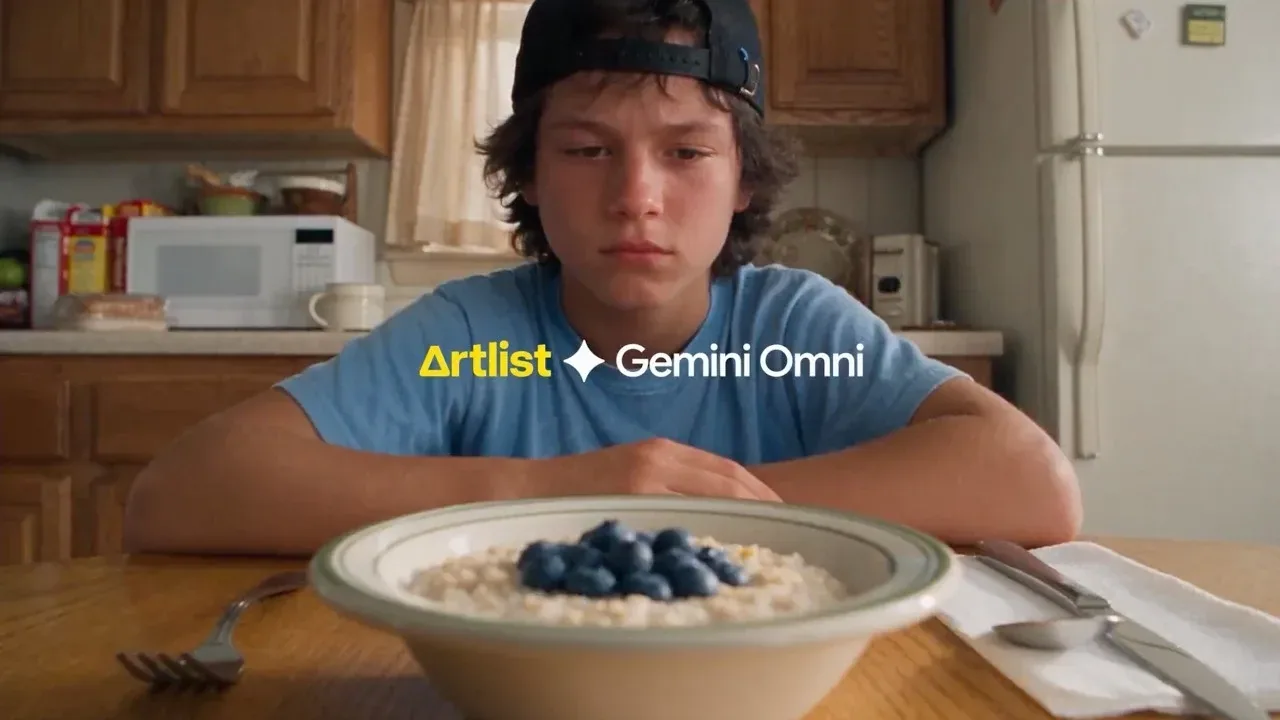
Gemini Omni 1.2 Flash stretches to 15 seconds
November 5 · Generally available; product rollout underway
Google released Omni 1.2 Flash for generating and conversationally editing video, extending clips from 10 to 15 seconds. Google lists 720p generation at $0.07 per second, 30% below its previous version. The release also emphasizes reference consistency and native speech. It is generally available through Google’s APIs, with Vids rollout starting November 5; audio references require allowlisting.
See Google’s release and demo examples →
Watch the companion video on YouTube
Watch: Gemini Omni 1.2 Flash in Artlist — Google Cloud; official launch demo. →
GPT-6 Cyber reaches selected security teams
November 5 · Restricted API and Codex access
OpenAI introduced GPT-6 Cyber for finding software vulnerabilities, validating exploits, and developing candidate fixes. The company reports stronger cybersecurity results and better adherence to authorized task boundaries than its previous cyber model. Initial access is limited to selected approved Daybreak Red customers through the API and Codex, with expansion planned. This one comes with an application process.
Read the model announcement and access details →
Kimi K3.1 Pro’s weights are now public
This week · Downloadable weights verified; hosted launch was October 23
Moonshot’s Kimi K3.1 Pro is now downloadable from its official Hugging Face repository, a material change from last week’s hosted launch. The model card describes a million-token context window and text-and-image input. Deployment resources and a model-specific license accompany the files. Open weights give operators another way to deploy it; they do not make a model this large an ordinary laptop download.
Find Kimi’s model card, files, and license →
Technology Advances
Siri AI opens its door to app developers
November 3 · Developer Preview in 27.3 betas
Apple opened a Developer Preview that lets apps connect their content and actions to Siri AI through App Intents. New skills can combine multiple actions, while Siri can surface more items from Spotlight’s semantic index. This is integration-building time: Apple says customer shipping comes later, with App Store submission opening in spring. Supported devices, languages, and regional restrictions still apply.
Read Apple’s developer announcement →
Claude agents get lighter conversation deliveries
November 2 · Messages API public beta
Anthropic introduced message threads so agents can send only new messages instead of resending an entire growing conversation. Anthropic reports about 35% lower median time to first response for certain very long Claude Code requests. Claude still reads the full conversation, so token usage stays the same. Threads expire after five idle minutes; the benefit is less waiting, rather than cheaper tokens.
Read how message threads work →
Claude adds a read-only view of your finances
November 5 · US paid-plan beta rollout
Claude’s new Personal Finance beta connects selected accounts through Plaid, then answers questions about balances, transactions, and spending. It starts rolling out to US Pro, Max, and Ultra users. Anthropic says access is read-only: Claude cannot move, manage, or invest the money. Conversations inside the finance hub are excluded from model training; sharing outside that hub follows the user’s privacy settings.
See the feature, privacy details, and eligibility →
Companies Making News
Perplexity introduces agents with ongoing jobs
November 4 announcement · Max web access initially
Perplexity launched Teammates to take responsibility for ongoing projects, remember context, and follow up when work changes. They build on Computer’s projects, skills, memory, and tool permissions, with separate browser environments and work that users can inspect or redirect. Initial availability is on the web for Max subscribers, with iOS planned. The company describes roles spanning marketing, sales, support, and operations.
Read Perplexity’s Teammates announcement →

OpenAI plans to bring Pierre into Codex
November 4 · Acquisition announced; closing pending
OpenAI announced plans to acquire Pierre Computer Company, whose Trees and Diffs libraries already power file browsing and change review in Codex. The companies want to expand tools around Git and agent-assisted development. OpenAI says Pierre’s open-source projects will stay open source and Code Storage will continue serving customers. Regulatory approvals and other closing conditions remain; the companies are still independent.
Read the acquisition announcement and conditions →