
Trust & transparency
Evidence & disclosures
Evidence basis: Researched analysis. The article compares public evidence and does not claim hands-on testing unless a section says otherwise.
News roundup based on linked announcements and research.
Sources checked: Oct 23, 2026
Linked references: 24 explicit sources in the article.
Synthetic media: Thumbnail, hero, and social artwork are AI-generated editorial illustrations. Captured interfaces, publisher-supplied product screenshots, announcement artwork, and embedded demos are labeled and credited. No independent product benchmark is claimed.
AI spent the week getting faster, finding its voice, and volunteering for more of the to-do list. Here’s the October 16–22 roundup, with product screenshots, official demos, and two older releases you may have missed.
Coverage: October 16–22, 2026.
New Models
DeepSeek gives Flash another tune-up
October 17 · Website, app, API, and weights available
DeepSeek released V4.1-Flash-1017, an update aimed at completing coding and project-building tasks more efficiently. It is live on the website, app, and API, with weights linked for download. The API keeps the same calling method and pricing. DeepSeek also opened Search and Fetch APIs as separate tools.
Read DeepSeek’s release and download links →
MiniMax M3.1 Flash turns up the pace
October 19 · Hosted access now; weights later
MiniMax rolled out M3.1 Flash for coding, computer use, and multi-step agent work through its API, M Plan, and MiniMax Code. It lists API prices of $0.15 per million input tokens and $0.60 per million output tokens. Its speed and cost improvements are company-reported; downloadable weights are promised for later, not available in this announcement.
See MiniMax’s availability and pricing →
Mercury 3 takes a different route to faster text
October 19 · API available
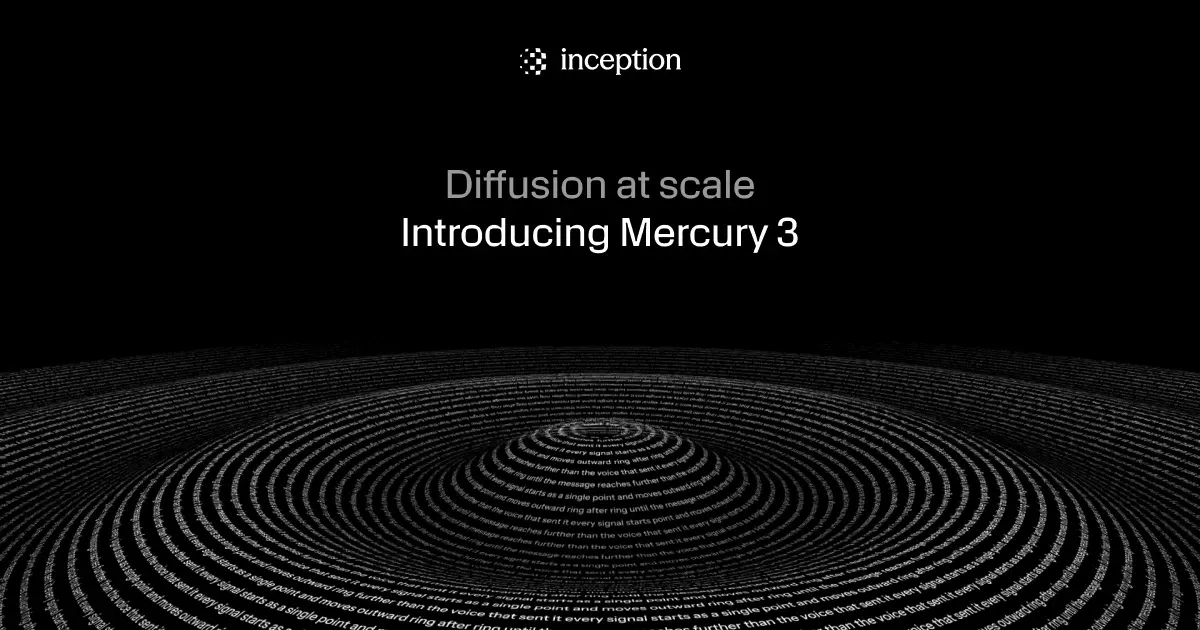
Inception launched Mercury 3, a diffusion-based language model, through its API and several hosting partners. Instead of generating text only one next token at a time, its diffusion approach refines multiple parts of an answer. Inception reports more than 1,000 tokens per second and a million-token context window. Speed figures are company-reported.
Explore Mercury 3 and its launch details →
Voxtral 3 wants to take the call
October 20 · Speech models and voice-agent SDK available
Mistral introduced Voxtral 3 speech models and a toolkit that connects listening, reasoning, tool use, and spoken replies. The family supports transcription across more than 50 languages; language coverage differs by model. Mistral offers API access and self-deployment options. The official launch video shows the intended experience.
Read Mistral’s release and deployment details →
Watch: Introducing Voxtral 3. — Mistral, official demo →
Cohere Rerank 5 finds the useful paragraph
October 21 · Generally available
Cohere released Rerank 5 in Pro and Fast versions. These models sort retrieved information before a chatbot reads it. A new Context Focus feature identifies relevant passages inside documents, aiming to reduce the amount of text sent onward. It is available through Cohere and listed deployment partners; quality and savings claims remain workload-dependent.
Read about Rerank 5 and Context Focus →
Technology Advances
Claude Duet puts a proactive assistant on the agenda
October 21 · Waitlisted research preview
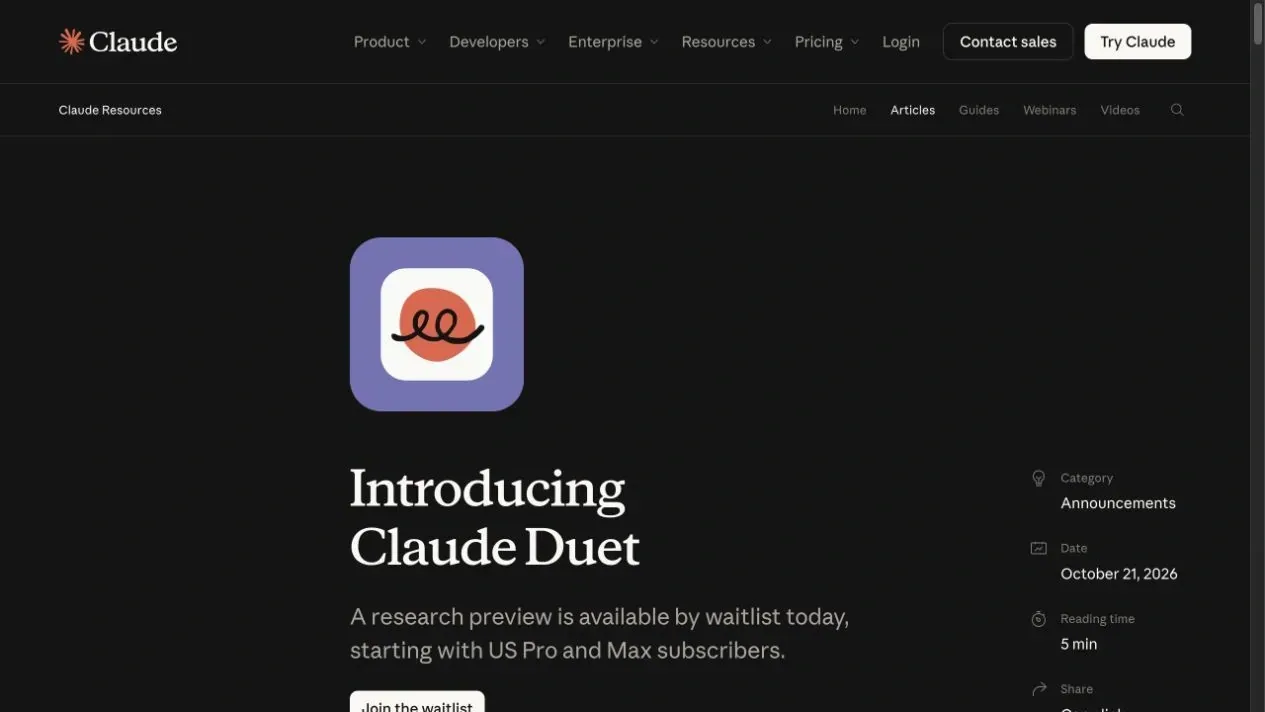
Anthropic introduced Claude Duet, which checks connected apps, prepares work, and keeps tasks moving while you are away. The research preview starts with U.S. Pro and Max subscribers by waitlist, sharing their existing usage limits. Anthropic says it asks for approval before actions such as sending messages or making payments. It also acknowledges that urgency judgments can still be wrong.
See Claude Duet’s preview and access limits →
Watch the companion video on YouTube
Watch: Introducing Claude Duet — Claude, official demo →
Agent S4 improves the tools around the AI
October 21 · Research and code released
Simular’s Agent S4 studies computer-use agents and evolves the interfaces they work through. A separate agent examines attempts and rewrites tools—for example, replacing repetitive spreadsheet clicks with bulk operations. The task model stays fixed. The advance is improving the surroundings instead of retraining the model. Its benchmark gains remain Simular’s research results.
Read the research and find the code →
Google’s Coral NPU reaches a new chip
October 20 · Hardware launch reported
Google updated its Research@ announcement to report that Synaptics launched the Astra SR200 Series, incorporating their co-designed, open-source Coral neural processing unit. It is another route toward AI running in small, low-power devices instead of the cloud. This week’s change is the chip launch; the broader Google research roundup was published earlier.
Read Google’s dated Coral hardware update →
New Services and Updates
Gemini adds a small-business workspace
October 20 · Rollout announced
Google announced a business landing page in Gemini for brand visuals, financial analysis, and customer insights. Owners can supply brand guidelines and connect supported business apps. The useful first step is a small task: try a campaign image using your own brand kit, then check the result before using it publicly. Availability can vary as the tools roll out.
See Google’s business tools →
OpenAI Decisions API leaves beta
October 22 · Generally available
The Decisions API handles bounded questions such as classifying a request or choosing its next destination. Built on GPT-6 Luna, it now supports native JSON, prompt caching, and up to 400 questions per request. OpenAI lists $0.10 per million input tokens, with no output-token charge. Its speed claims are company-reported. Developers can start with one recurring classification task in the linked playground.
Read the release and try the Decisions Playground →
Claude Security follows code changes and fixes
October 21 · Public beta for Enterprise
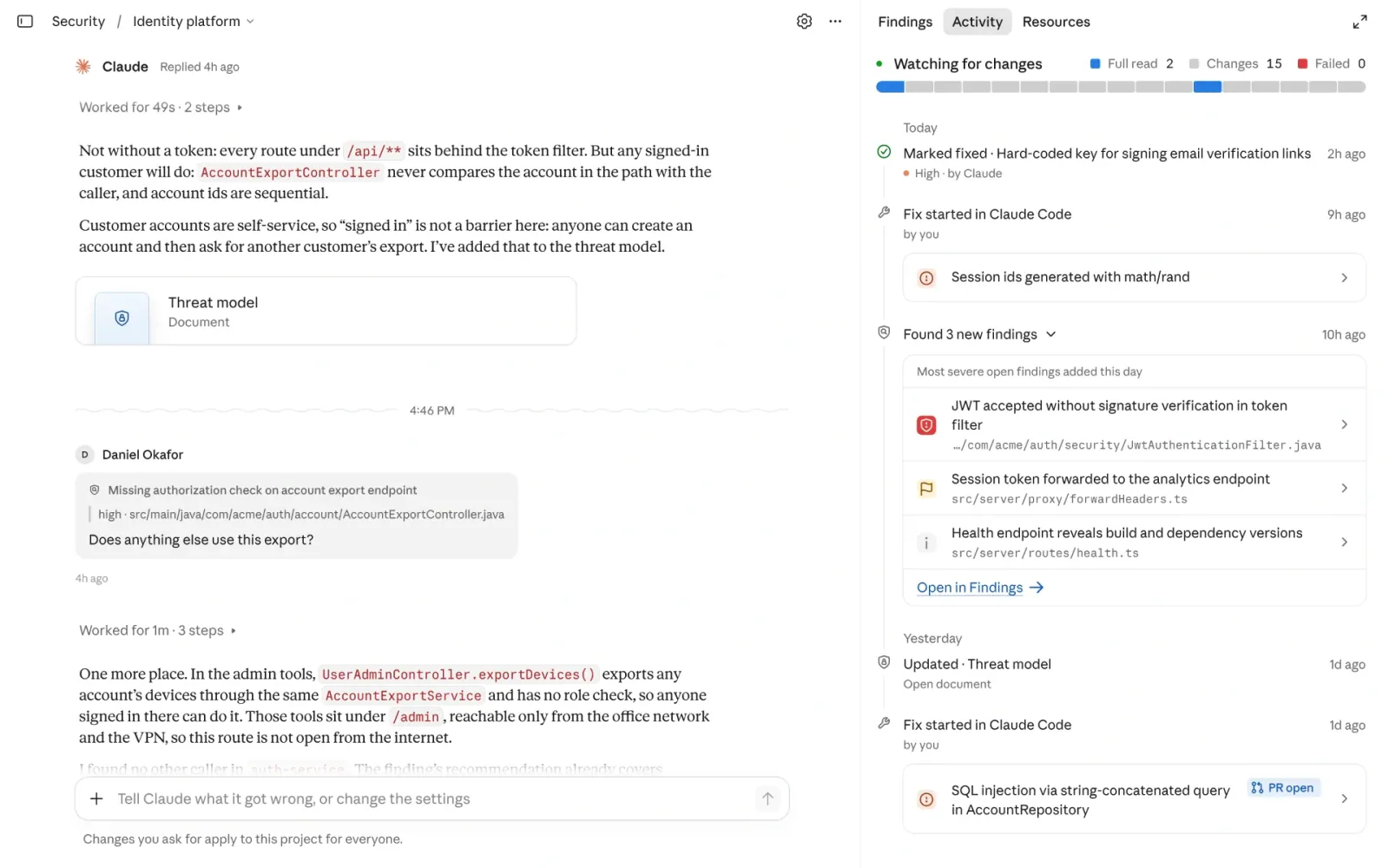
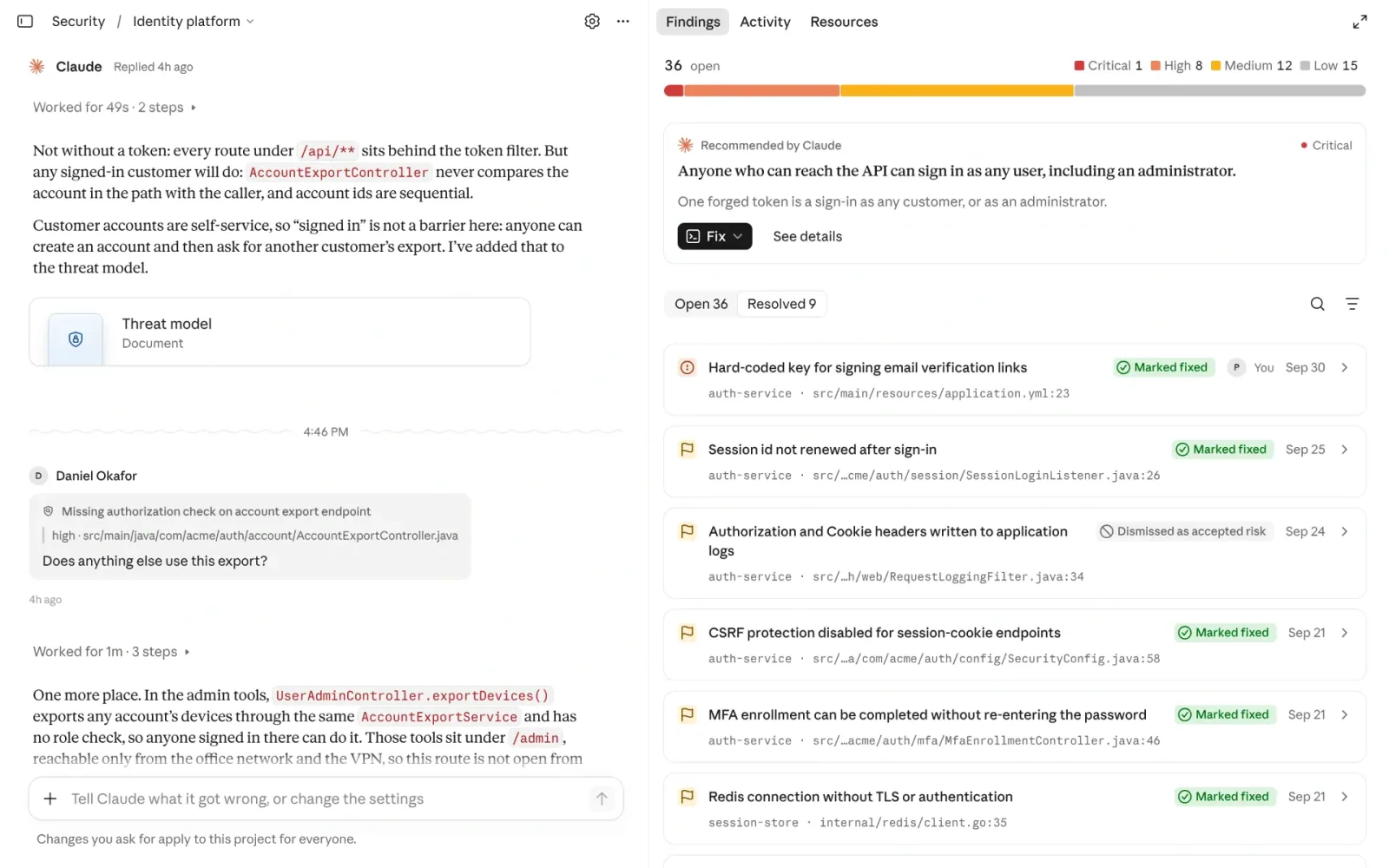
Claude Security now scans as repositories change, tracks whether findings are fixed, and uses a team’s knowledge base and threat model to prioritize results. New API and MCP connections bring findings into existing workflows. It is an Enterprise beta; this is not an automatic security guarantee. The screenshots below show Anthropic’s published product examples.
See the continuous scanning workflow →
Claude’s full platform gets another Google Cloud route
October 22 · Generally available
Anthropic’s managed Claude offering on Google Cloud combines Claude Platform features with Google Cloud authentication and billing. Anthropic operates this option and processes the data; the separate Google-managed option remains. That distinction matters when choosing regional and data-handling requirements. This is a new service route, rather than a new model launch.
Compare the two Google Cloud options →
Agent Skills moves to a neutral home
October 22 · Standard donated to AAIF
Anthropic donated the Agent Skills standard to the Agentic AI Foundation under the Linux Foundation. A skill packages instructions and supporting files for a repeatable task. The practical benefit is a common format across supporting agents, although compatibility still needs checking. The donation changes stewardship; skills themselves existed before this week.
Read the announcement and open specification →
Companies Making News
Google Cloud makes room for OpenAI models
October 21 · Private preview
Google Cloud began rolling out GPT-6 Astra, GPT-6.1 Sol, and GPT-6 Luna in its model garden for select enterprise customers. This is a new hosting and purchasing route, not a new OpenAI model release. Google says integration with Gemini for business and Antigravity is coming later. Interested companies must request preview access.
Read Google Cloud’s rollout announcement →
OpenAI acquires Orchestra Bio
October 20 · Acquisition announced
OpenAI acquired Orchestra Bio, a platform for coordinating drug-development work, and is bringing its team and technology into Rosalind. The intended agents would connect scientific findings with studies, decisions, and project follow-ups. Following last week’s access news, the announcement describes development goals, rather than demonstrating that medicines will reach patients faster.
Read OpenAI’s acquisition announcement →
Anthropic proposes a public-benefit equity fund
October 18 · Commitment subject to approval
Anthropic announced a Public Benefit Fund that would initially receive 5% of its shares, subject to stockholder approval. The company describes possible future grants or direct distributions and says governance details will follow. This is an equity commitment with conditions—not cash already distributed to workers or nonprofits, and not a completed account of how the fund will operate.
Read the fund announcement and conditions →
Older Releases You May Have Missed
Timestral forecasts numbers instead of chatting
October 15 · Catch-up item; code and weights linked
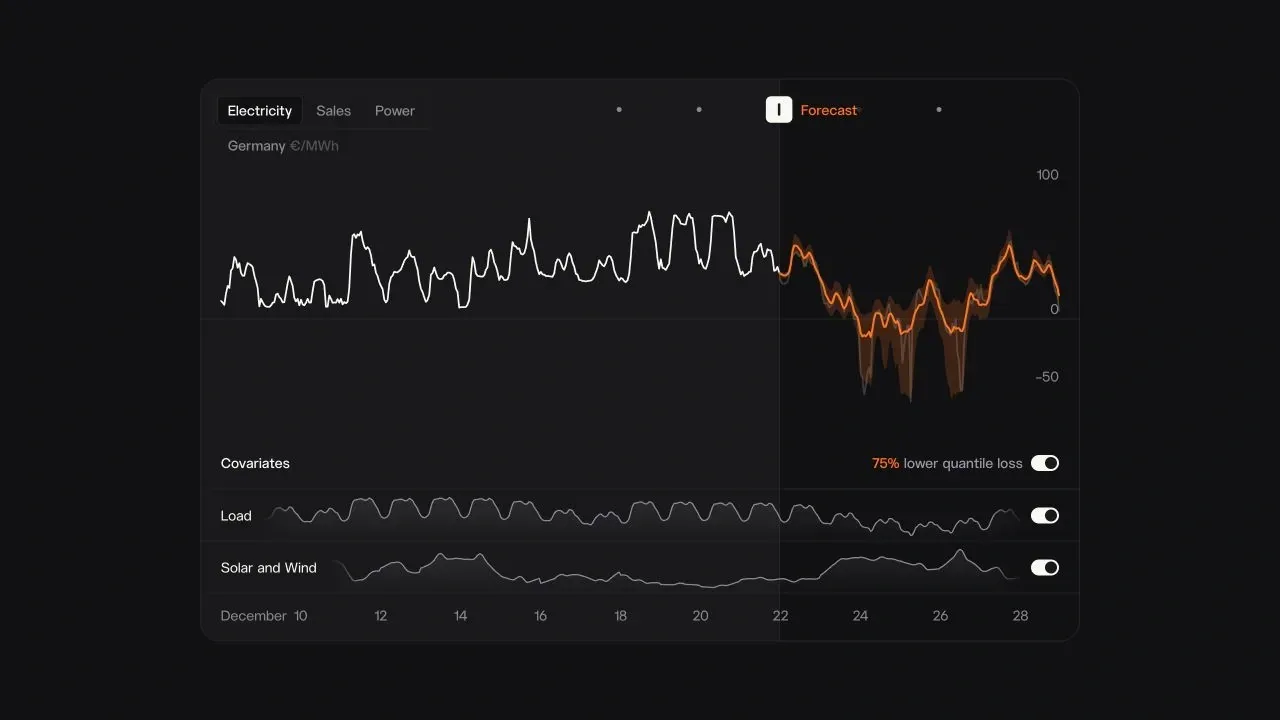
Mistral’s Timestral models forecast data over time—sales, energy use, or equipment readings. Four sizes range from 5 million to 209 million parameters, with CPU inference and downloadable models. The official interactive example lets you inspect a forecast and its uncertainty. It is a publisher demonstration, not our independent accuracy test. Start with that example before trying your own non-sensitive data.
Explore Timestral, its demo, and the code →
Gemini’s voice tools are already worth a look
September 15 · Catch-up item; developer tools
Gemini 3.8 Live supports real-time spoken interaction, visual context, and tool calls while conversation continues. Gemini 3.5 Transcribe handles speech-to-text; it is a separate model, not the same feature. Google’s September post links to AI Studio and sample apps. Developers exploring voice assistants can start there rather than waiting for the next model announcement.
Try the voice models and sample apps →