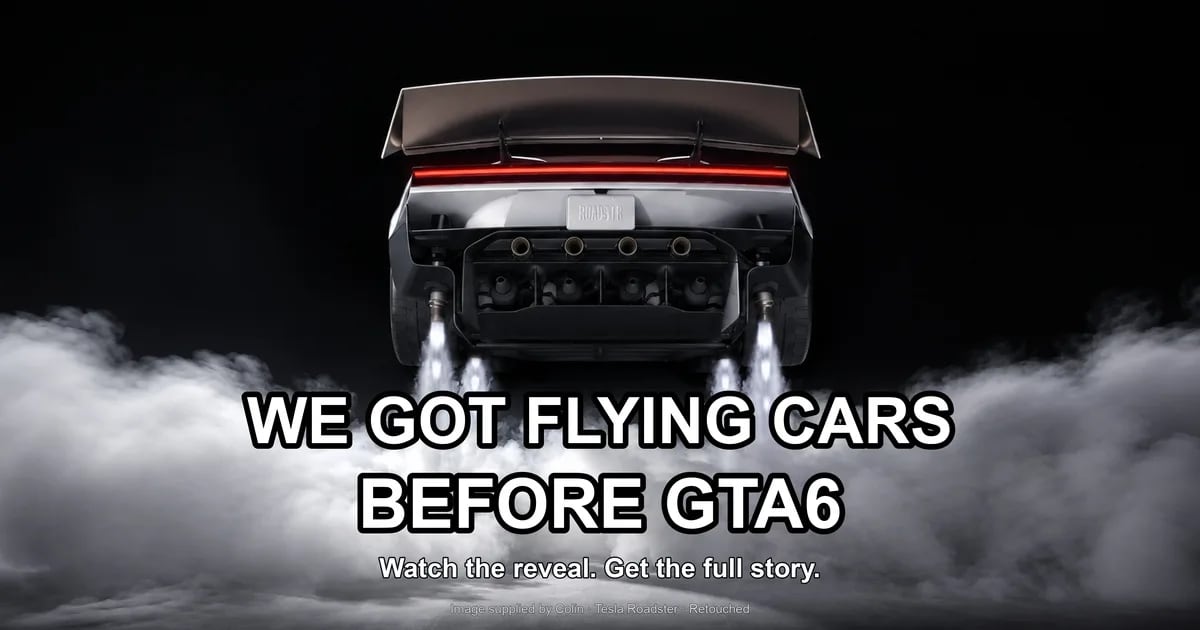
Trust & transparency
Evidence & disclosures
Not yet classified. This article has not yet been classified under the current editorial standard. It may predate the policy; do not assume a product was owned, tested, supplied, or independently verified unless the article says so.
Linked references: 17 explicit sources in the article.
AI assistance: Research organization, draft preparation, and package assembly used AI assistance. The personal reaction comes from Colin’s supplied account.
Synthetic media: No images generated or altered for this package. All 40 JPEGs are unchanged Tesla media-kit files. Tesla has not identified the creation method of each media-kit asset.
Holy cow. I don’t know what I just watched.
That was my reaction to Tesla’s new Roadster reveal. Is this the future? Because my brain is still trying to catch up with what was on the screen.
I heard the part about it not being AI. I saw the audience. And I still had that little voice in my head saying, “Come on. Really?” We have reached a strange point in technology when something spectacular happens and my first instinct is to wonder whether somebody generated it.
This deserved a special post. If you missed it, start with the replay below. Give yourself a few minutes to enjoy the ridiculousness of the moment. Then we can get into how Tesla says it works, which version does what, and the questions I still want answered.
Watch the Roadster reveal for yourself
This is the official Tesla replay, running 30:35, from the October 15 event in McGregor, Texas. The presentation starts around five minutes in. The links below jump to useful starting points; they are approximate segment starts, not frame-exact stunt timestamps.
Watch on YouTube: Roadster Event — Tesla — October 15, 2026
- 5:07 — The presentation begins
- 7:00 — Musk introduces the demonstration and addresses the AI question
- 10:00 — The first demonstration sequence
- 15:25 — The next flight demonstration sequence
- 18:20 — A closer look at the car and its systems
- 20:34 — The acceleration demonstration discussion
- 25:37 — The production-timing discussion
Tesla’s own Roadster product page is the place to compare the versions. Its official media gallery contains the original images used throughout this post.
The moment my brain hit the brakes
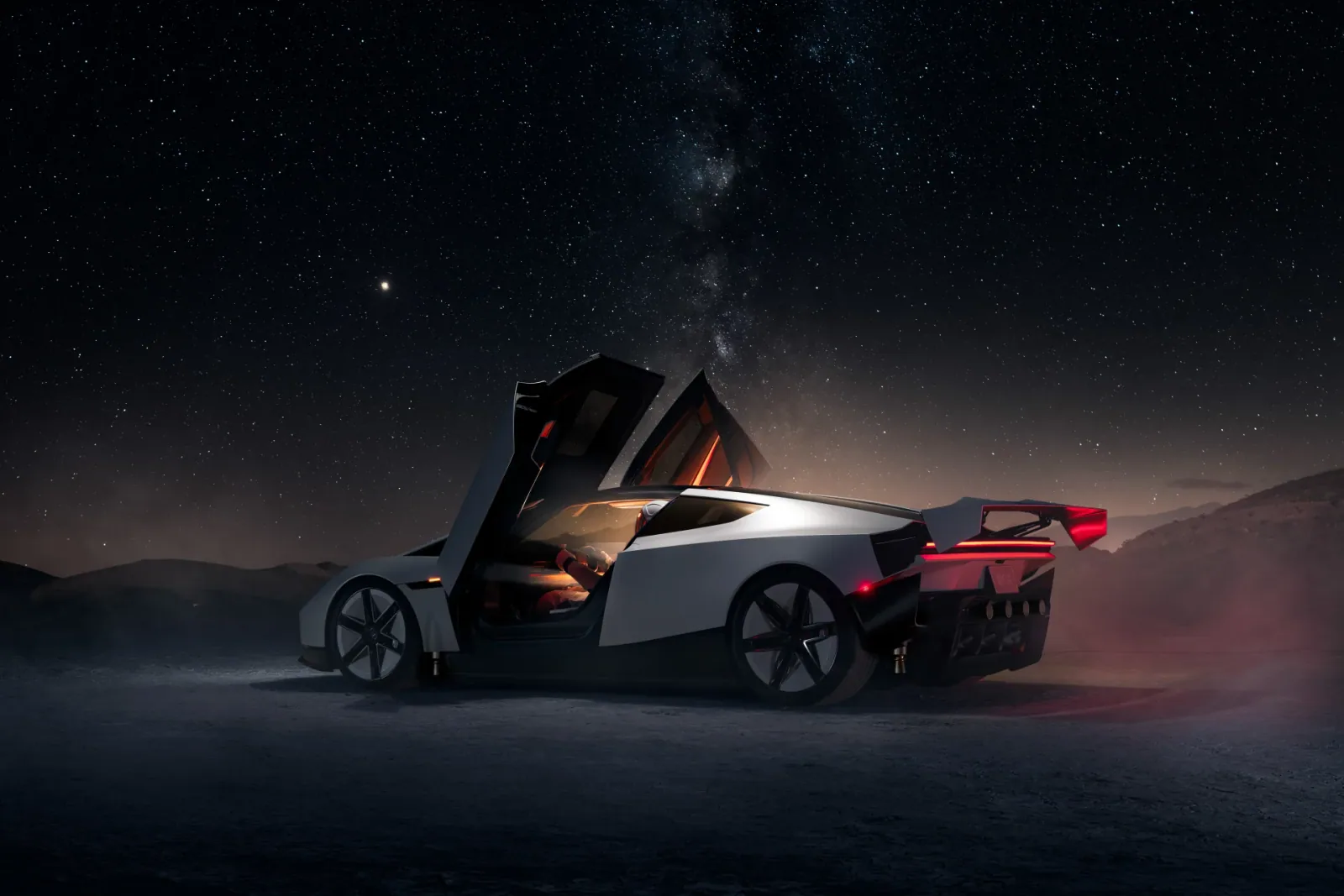
The presentation showed a prototype running along an overhead structure, leaving it, rolling in the air, and returning to the ground. Tesla then staged another airborne demonstration. That is quite a departure from the usual car reveal where somebody pulls off a sheet and everyone claps.
It had the feeling of a toy-car stunt that somebody decided to try at full size. Except now there is a whole engineering team standing there explaining the machinery behind it. I love that intersection of imagination and people actually building things.
There is an important detail in the presentation at about 9:12: Musk said the demonstration was autonomous. That makes me even more curious about how the team programmed and controlled the whole sequence.
Car and Driver’s report from the reveal also describes the upside-down driving and airborne roll, and includes a photograph credited to its own Greg Fink. It is a useful on-site account to read alongside the presentation; independent performance testing is still the next step.
How does a car even do that?
Two ideas help make sense of the spectacle: pushing a car toward a surface, and pushing it through the air. Those are different jobs.
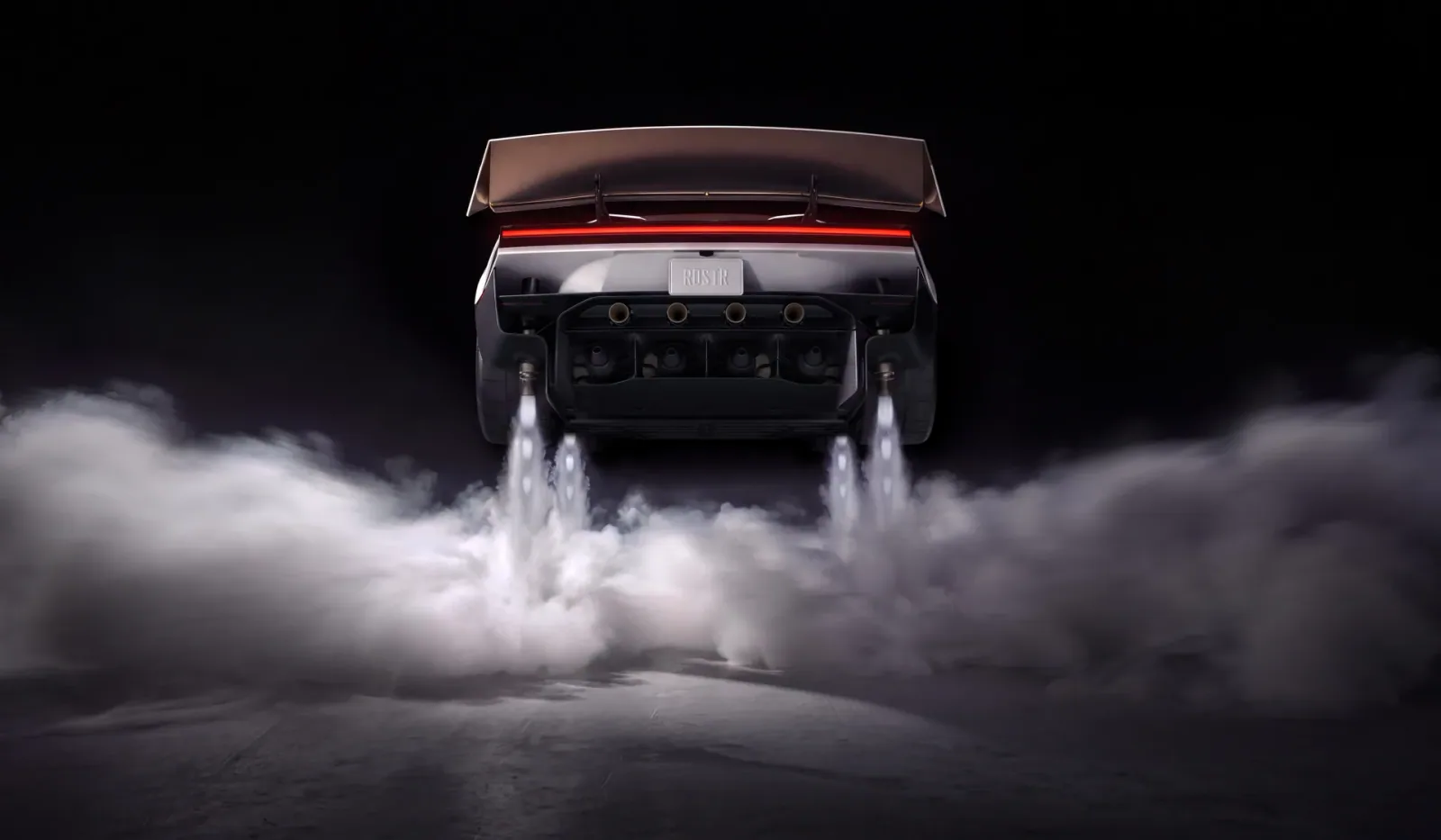
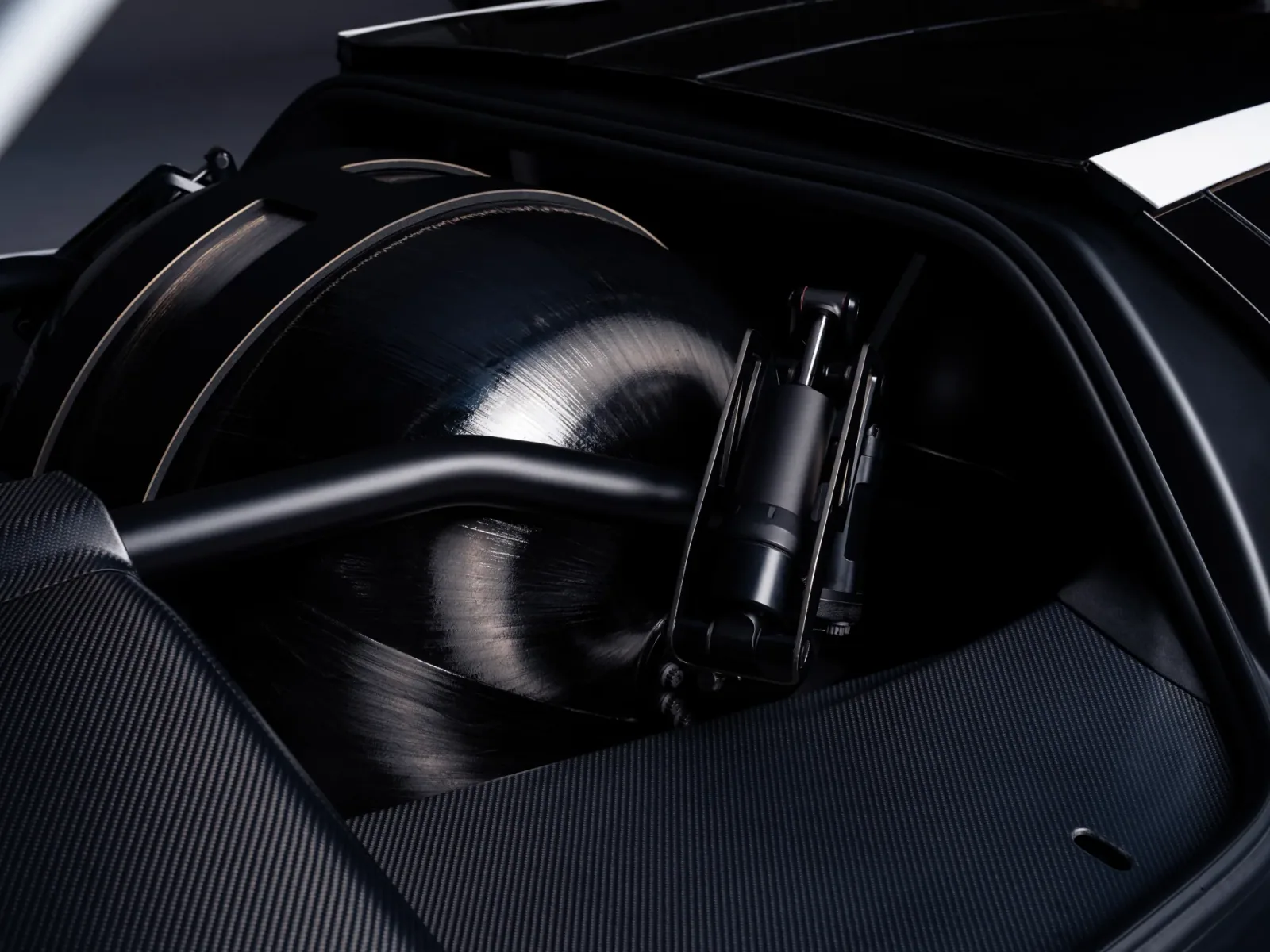
Tesla describes a fan-and-seal system that removes air from beneath the car to create downforce, alongside movable aerodynamic surfaces. It describes cold-gas thrusters for the airborne version. Tesla’s system descriptions.
The ordinary-language version: downforce helps press the tires against the surface. Thrusters push by throwing gas in the other direction. The remarkable engineering problem is controlling those forces precisely enough to make the vehicle do something useful and repeatable. Knowing the basic idea still leaves me staring at the replay.
Fan-assisted grip has a history. McMurtry documented its own upside-down driving demonstration in April 2025. That is useful context: this part of the story has a real engineering lineage. It also gives us another example to compare, rather than treating every unusual-looking movement as a completely new invention.
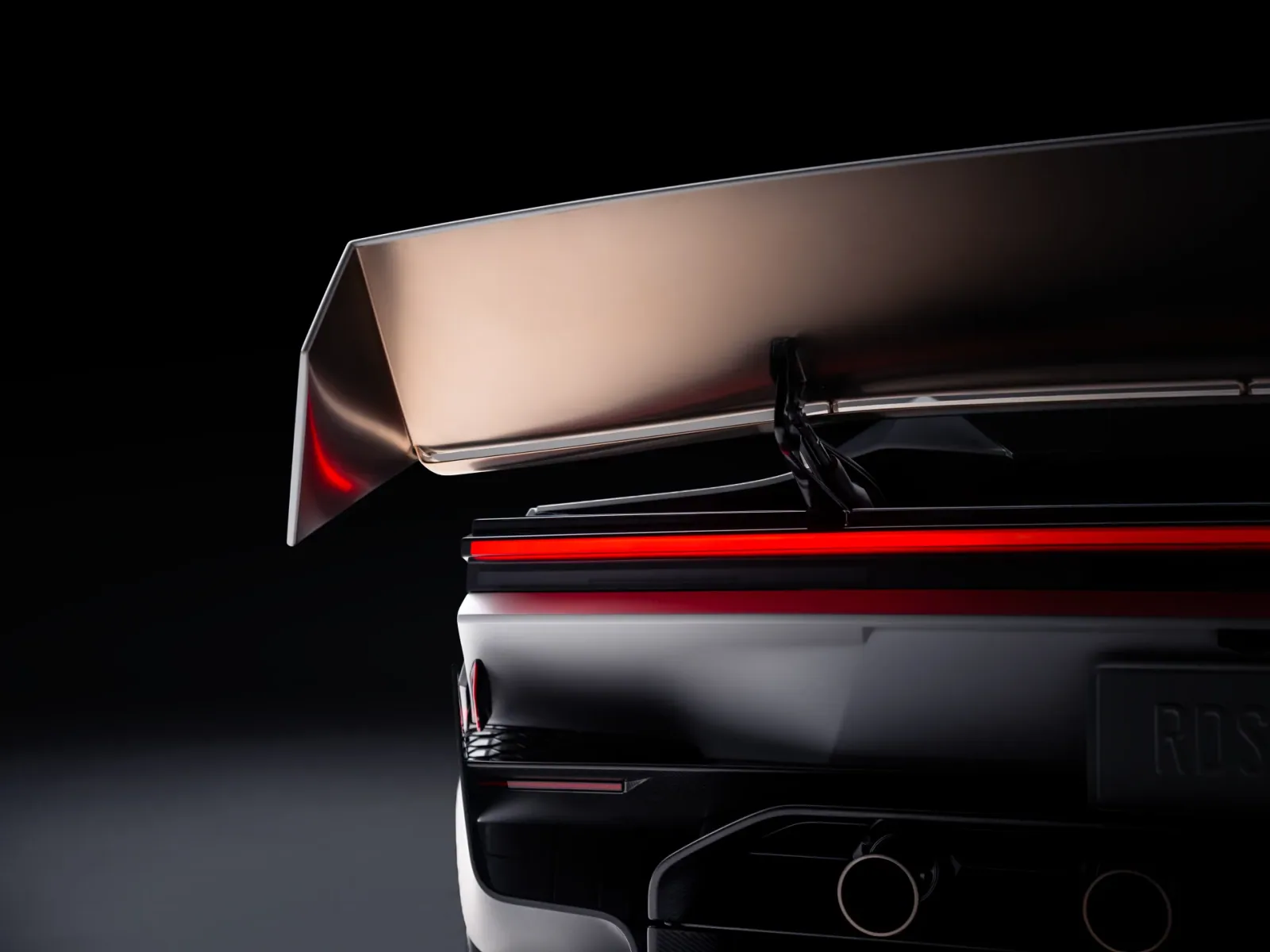
There are three very different versions in this story
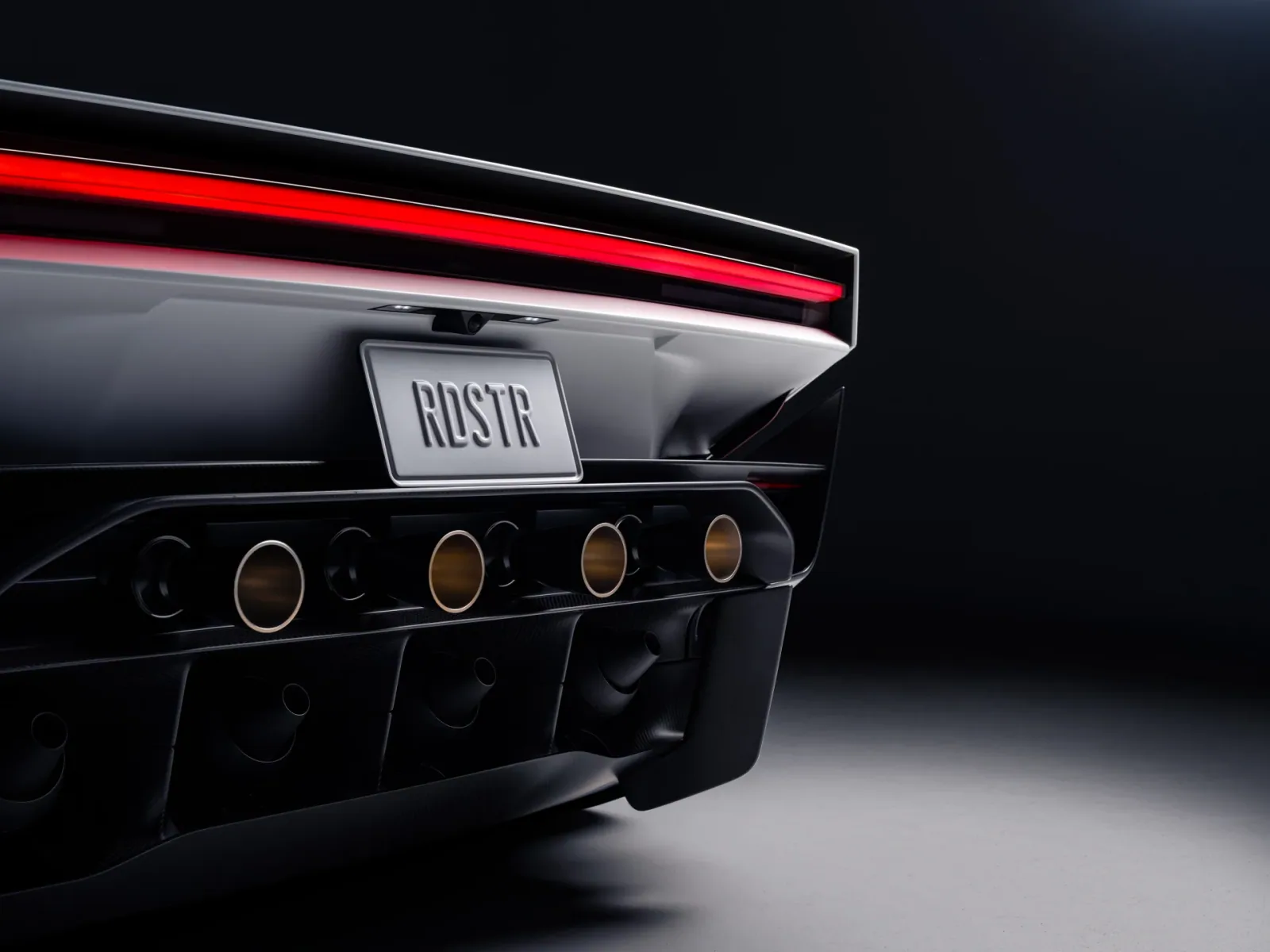
The distinctions on Tesla’s current Roadster page are easy to miss if you only see a clip of the flying car. Here is what Tesla lists:
- Performance: two seats, by reservation, with active aerodynamics and the suction system.
- Thrust: a limited-release, two-seat upgrade with rear cold-gas thrusters. Tesla claims 0–60 mph in under one second.
- Rocket: invite only, one seat, with perimeter thrusters for airborne movement. Tesla explicitly says it is not approved for public road use and is unavailable in some regions.
That last line changes how I read the whole announcement. A spectacular flying demonstration and the car someone might eventually drive home are different things to evaluate. I want the wonder, and I want to understand exactly what is being offered.
Tesla’s page also says its indicated features and specifications reflect the optional Thrust upgrade, while some claims carry Rocket-only footnotes. Check the notes against the version you are looking at. Read Tesla’s current details and footnotes.
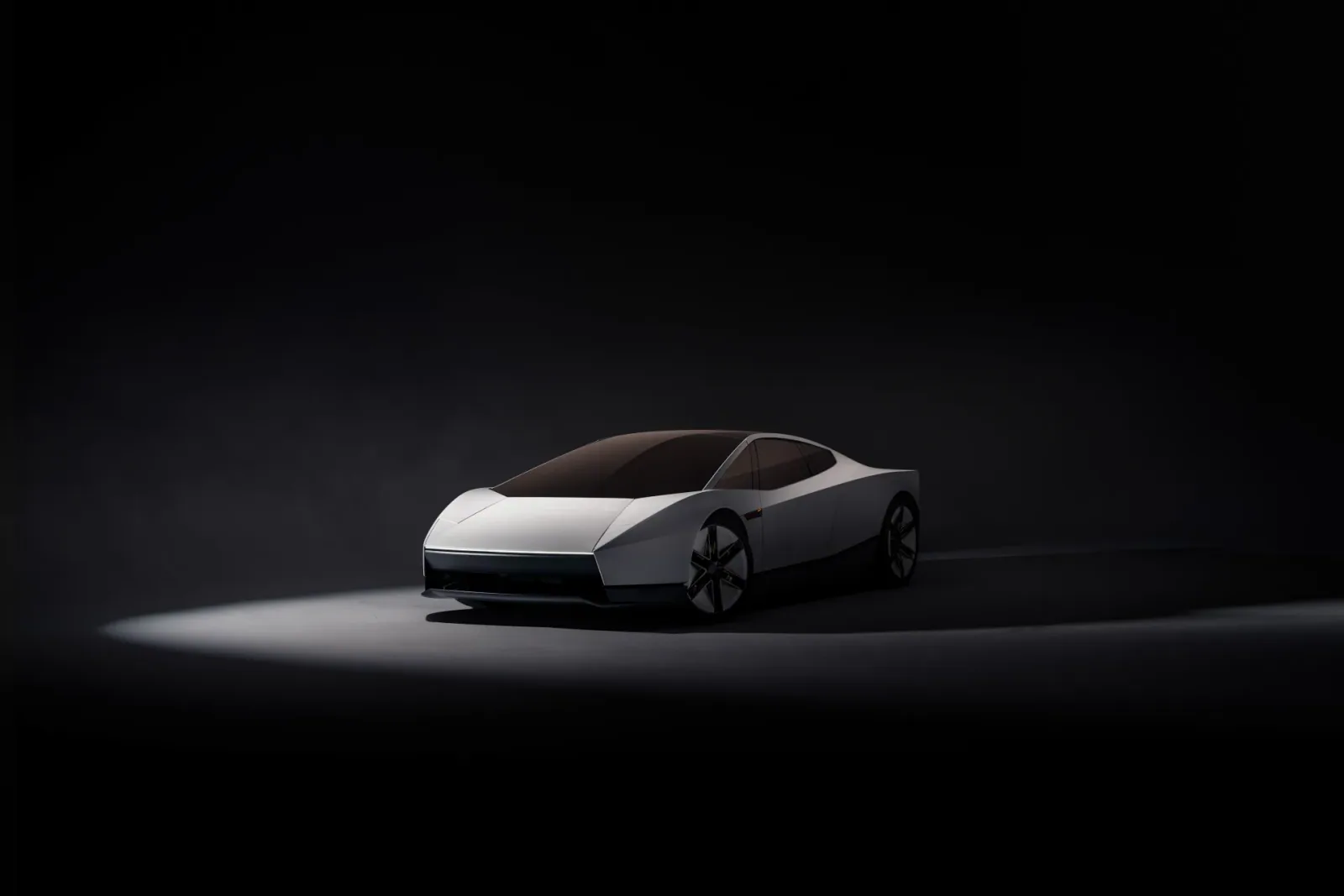
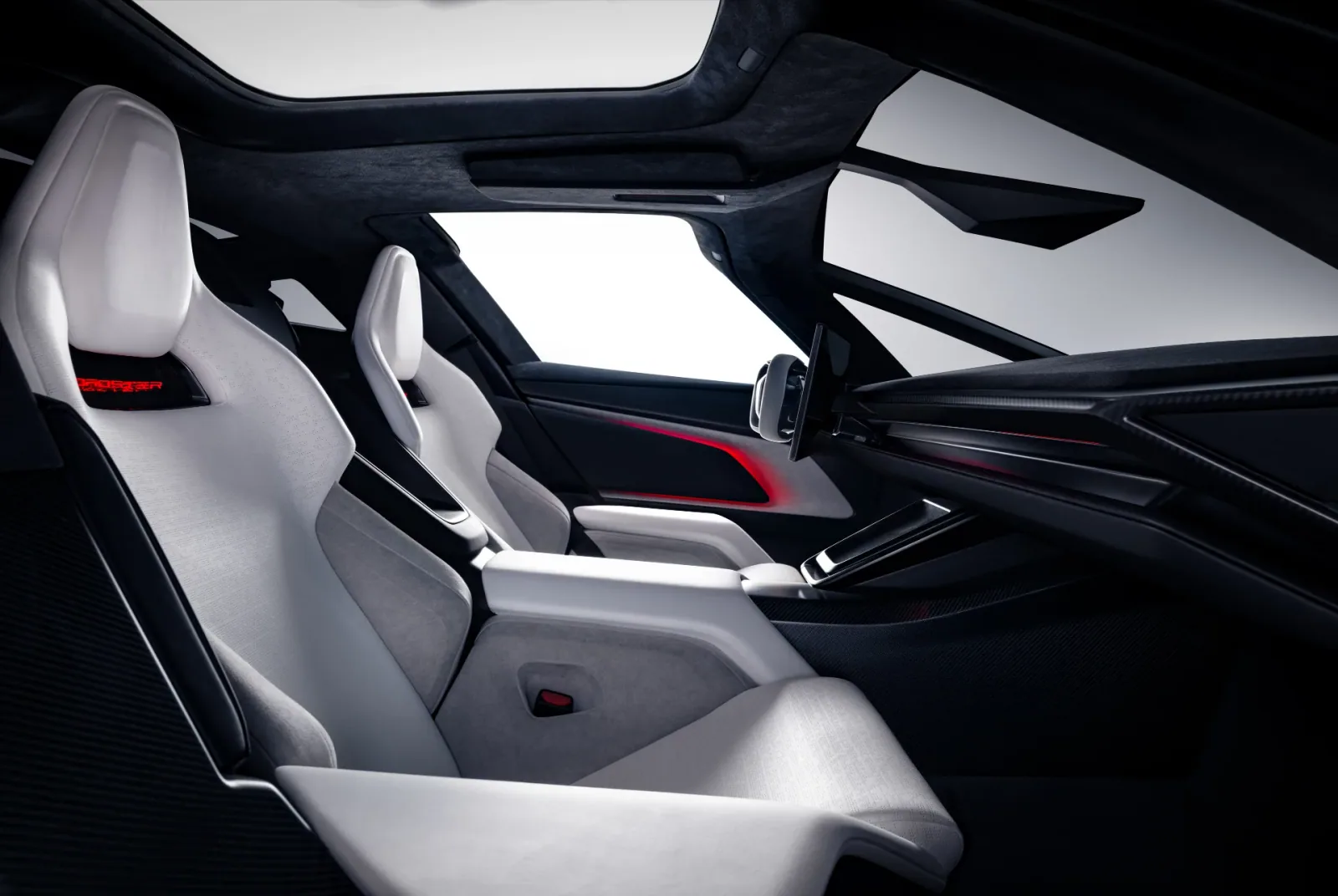
The numbers are wild. The status matters.
During the acceleration sequence, Tesla reported a 0–60 mph result of 0.81 second. Less than a second. I am going to need a moment with that one. It is Tesla’s reported result; I want to see independent tests and the conditions behind the number.
At about 25:48, Musk gave 2028 as the production target. A target is useful information, especially after the long wait, but it is still a target. A reveal is a beginning; deliveries and independent testing will tell us much more.
Before I try to imagine owning one, I want firmer answers on final price, real-world range, flight duration, and repeat-run performance for each version. Maintenance, refill or recharge time, and practical operating restrictions belong on that list too. That is where an astonishing demonstration starts becoming something an owner can understand.
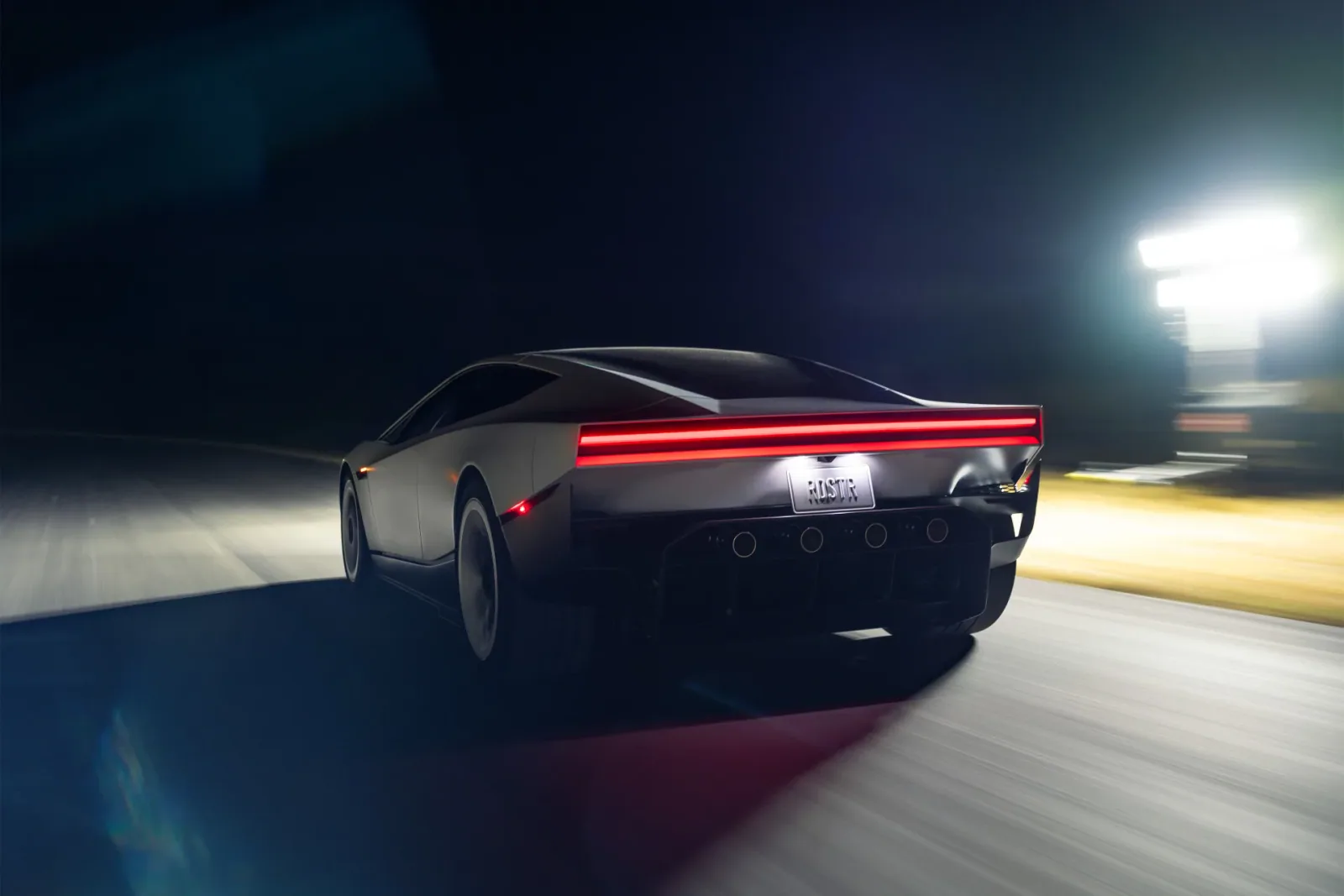
The videos worth watching next
This is an early reaction to a very fresh reveal. I could verify the following videos and their publishers. They serve different purposes: a shorter event edit, an older engineering explanation, and a current watch-party discussion. None is presented here as an independent test of the 2026 Roadster.
For a shorter look at the presentation: Space.com’s verified VideoFromSpace channel published this 16:41 event video on October 15, 2026. Its description credits Tesla. Useful for hearing the presentation in a shorter edit; the underlying footage is still Tesla’s.
Watch on YouTube: Tesla Unveils “Flying” Roadster with SpaceX Thrusters — VideoFromSpace
For the engineering background: Engineering Explained published this on June 10, 2020. It works through the proposed cold-gas-thruster concept and the assumptions behind the calculations. Start with the explanation of the system, then pay attention to its limitations. Its old predictions and specifications should not be substituted for the car unveiled in 2026.
Watch on YouTube: How The Tesla Roadster Rockets Work — 0–60 In One Second?! — Engineering Explained
For another person processing the reveal: HyperChange’s verified channel has an October 15 watch-party replay, 1:44:52 long, described by its creator as pre- and post-event commentary. This is an opinion-led discussion around Tesla’s stream. I am including it for perspective and reaction, rather than as technical verification.
Watch on YouTube: Tesla Roadster Reveal! LIVE Watch Party — HyperChange
The follow-up I most want is a detailed explanation from engineers with access to the actual hardware, followed by repeatable testing. How does the control system manage a transition from surface grip to airborne motion? What happens when conditions change? How much performance survives outside the carefully prepared demonstration? Those are fascinating questions, and answering them would make the story even better.
Tesla’s original images, exactly as supplied
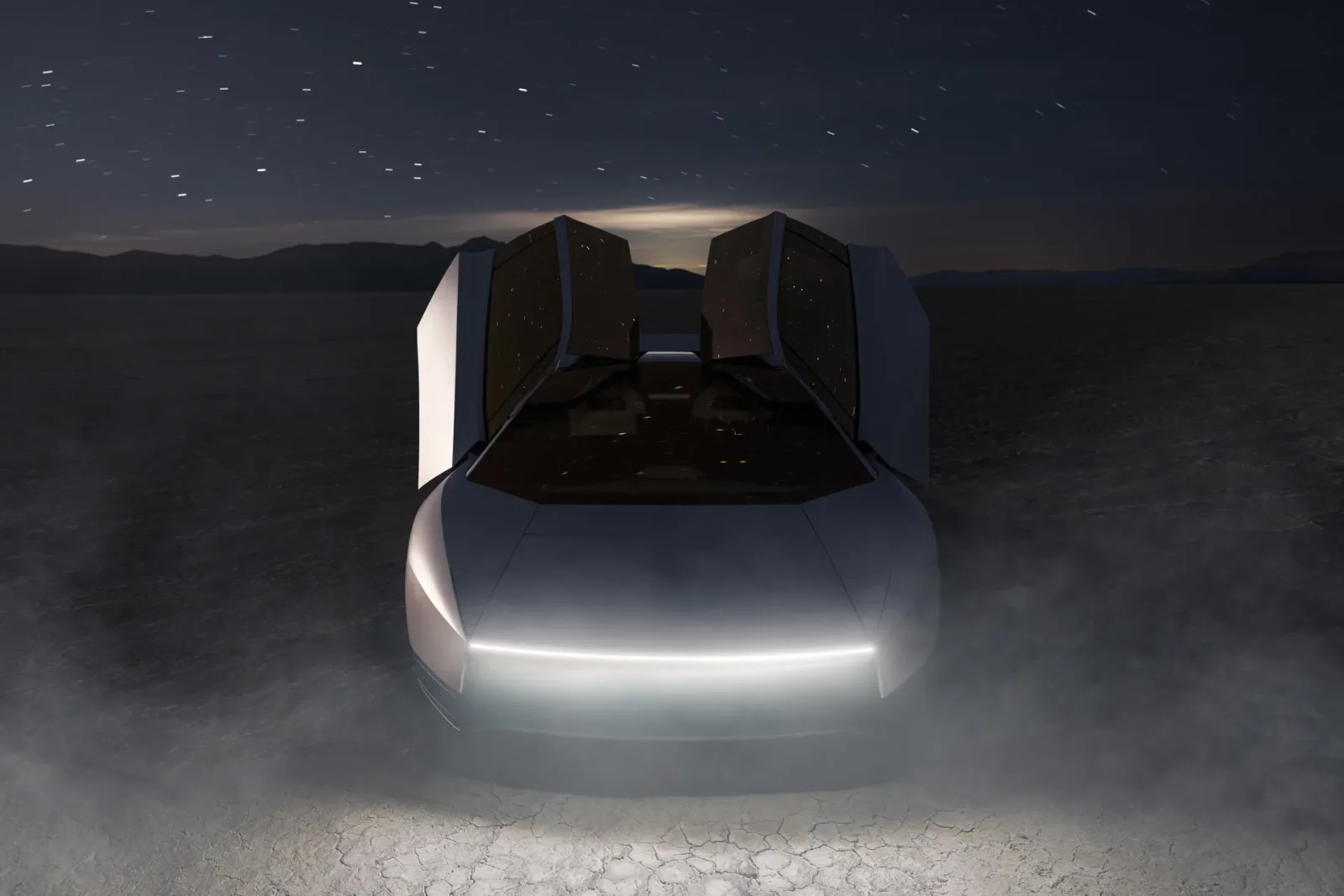
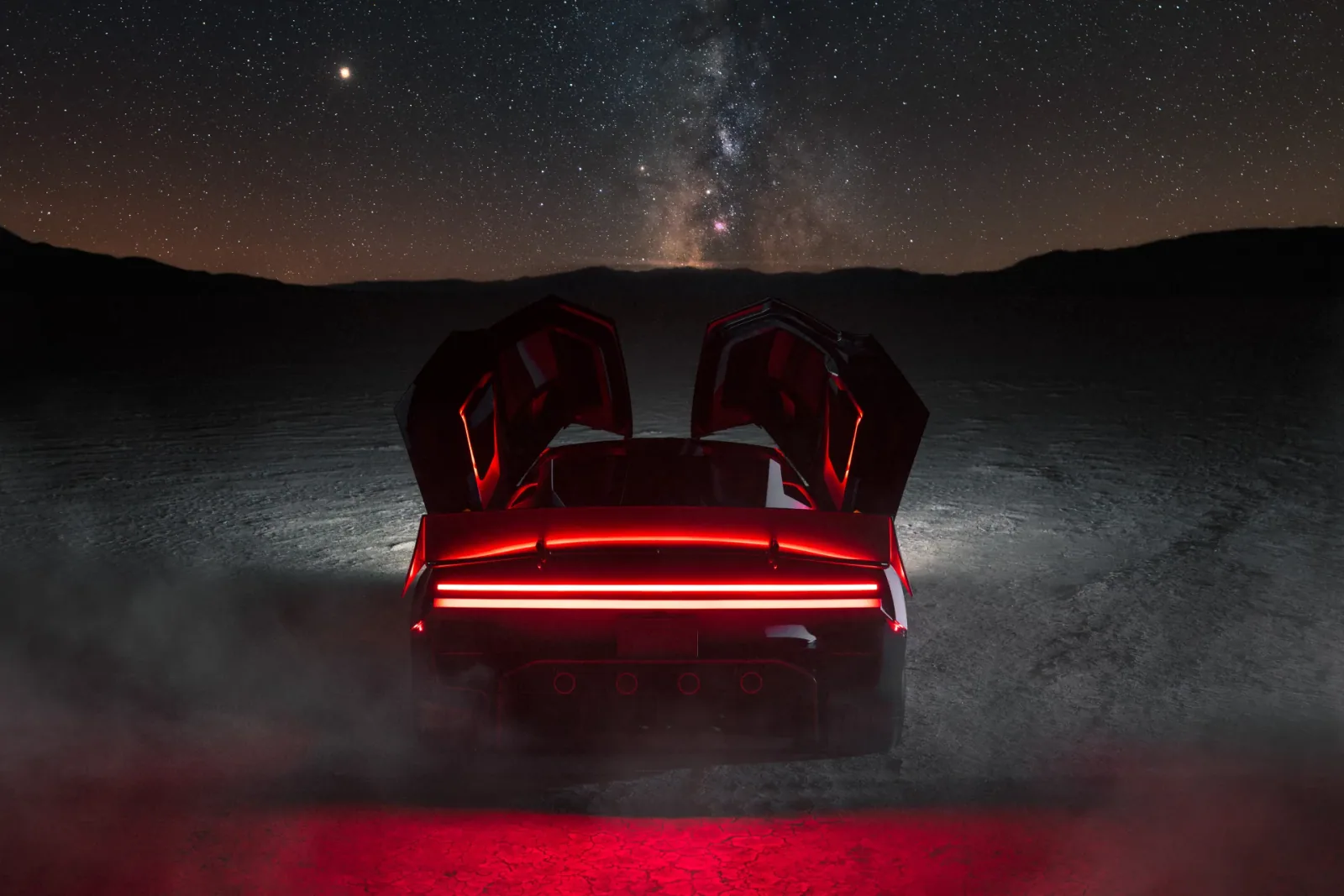
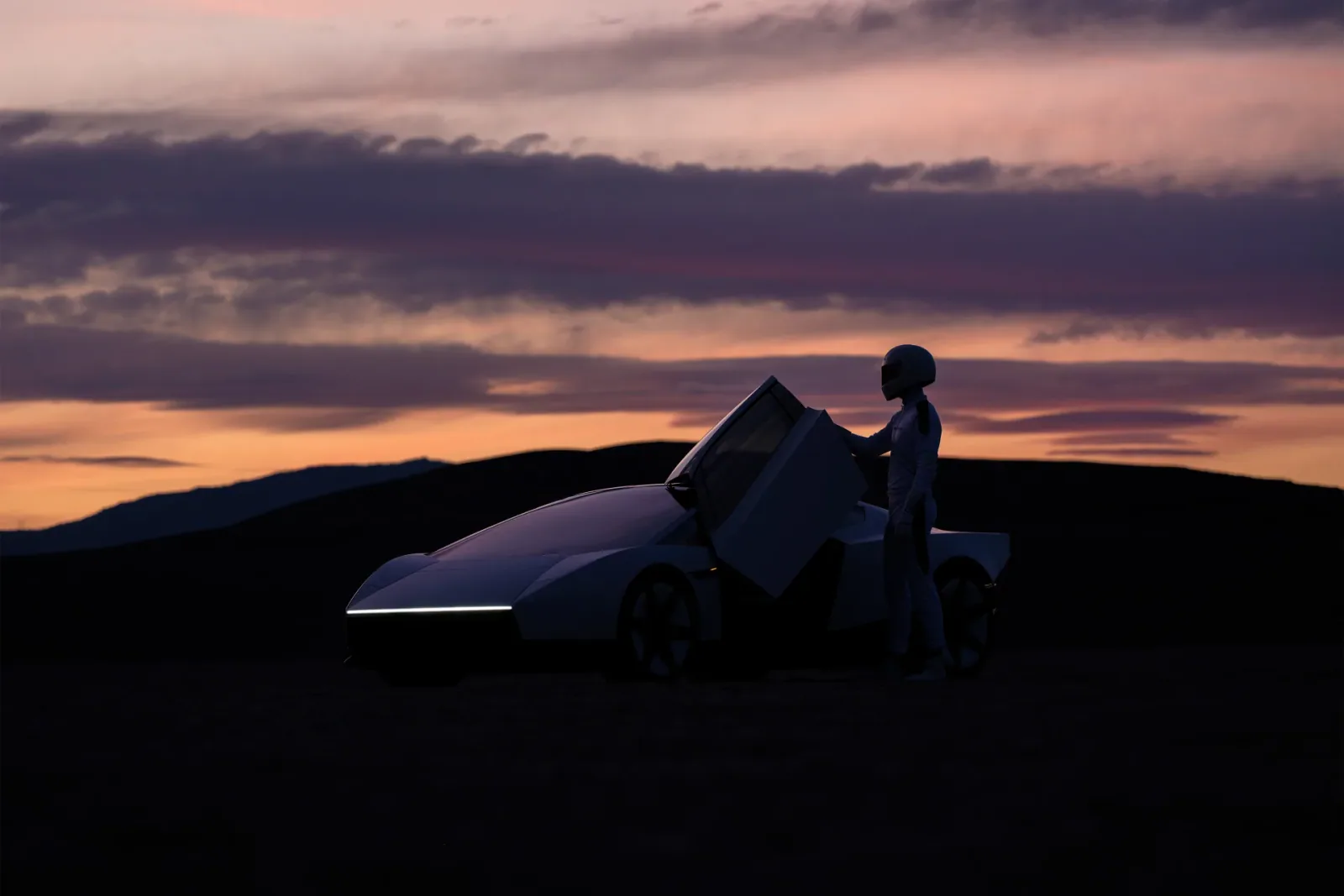
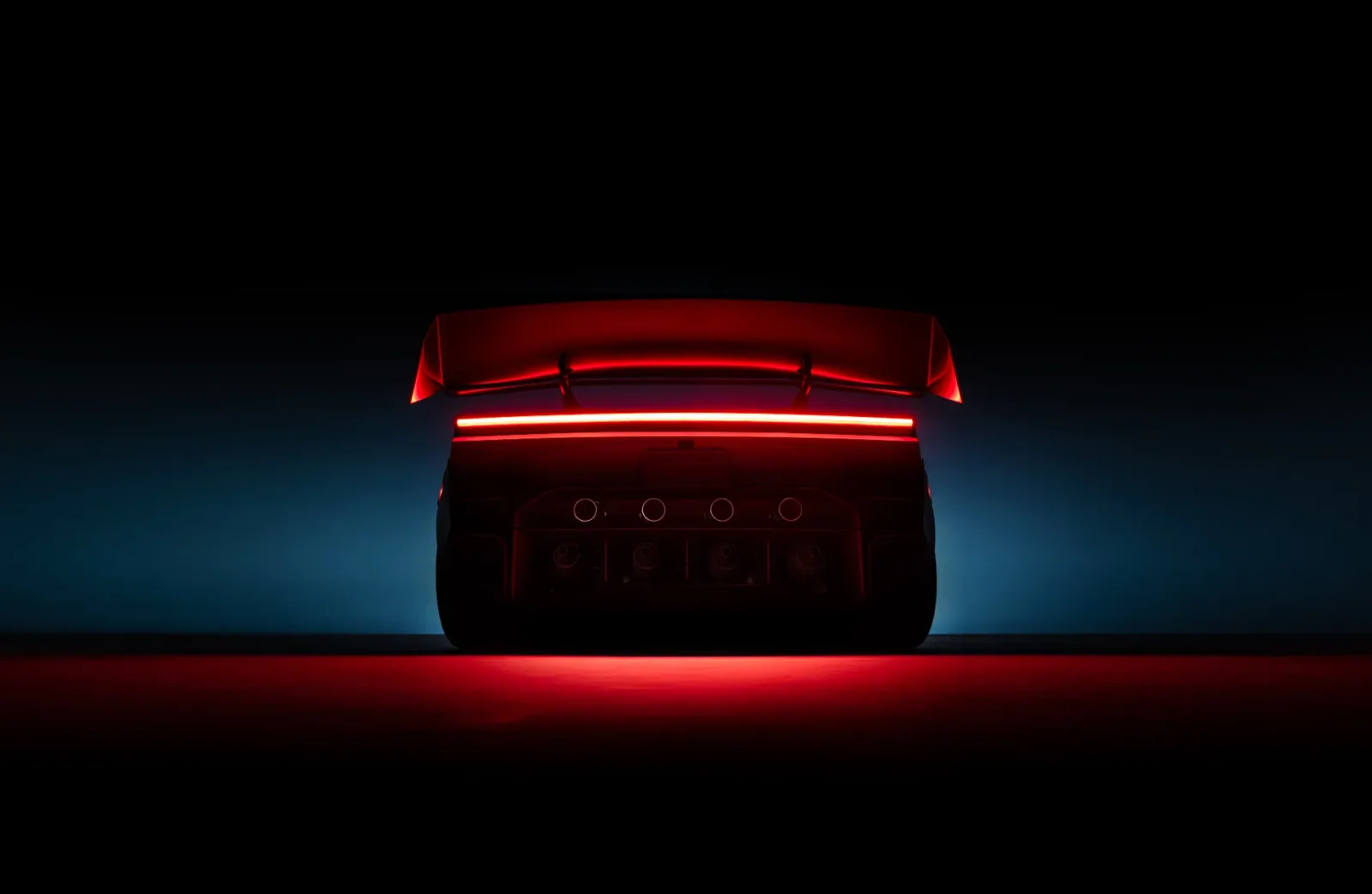
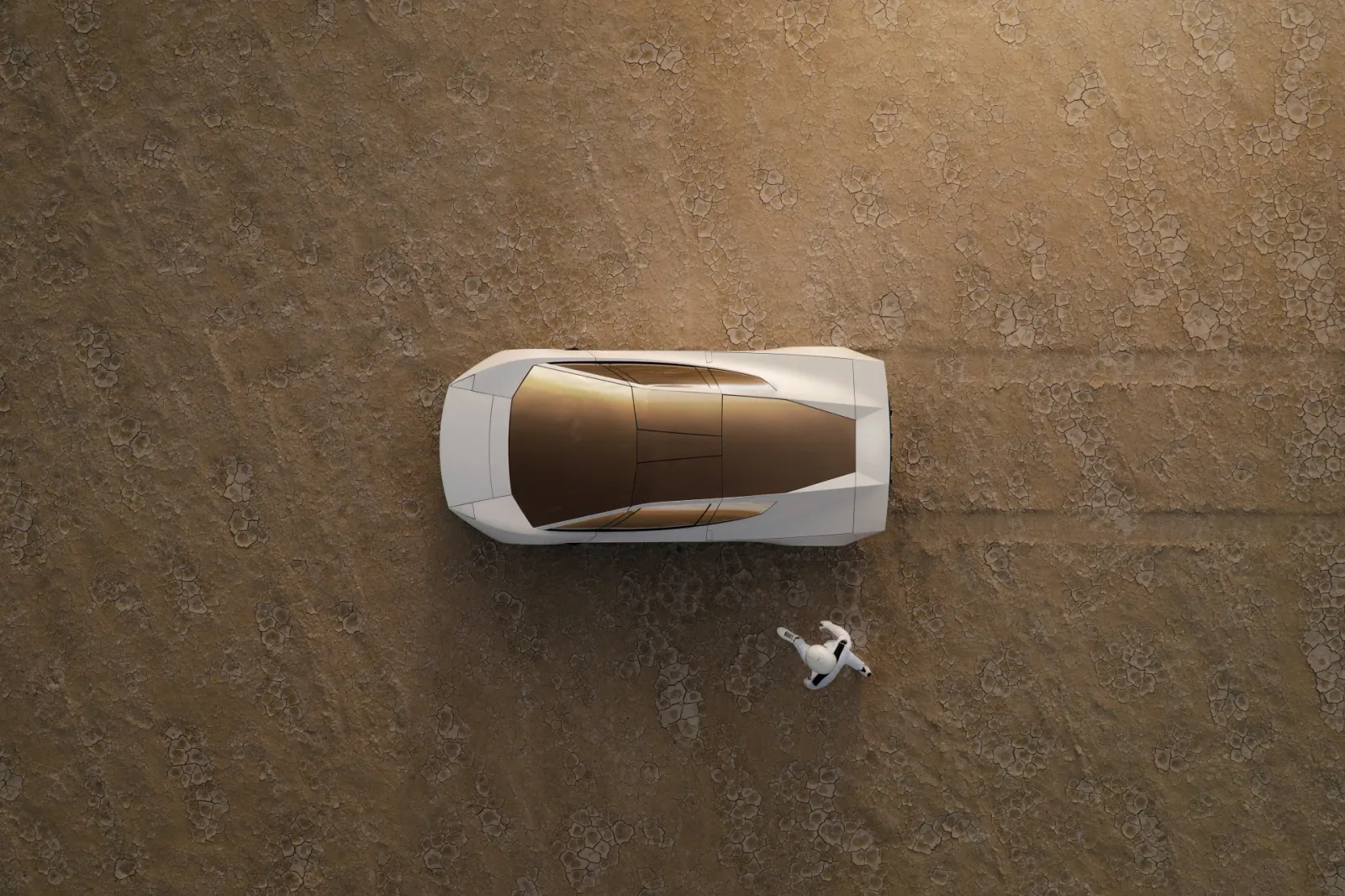
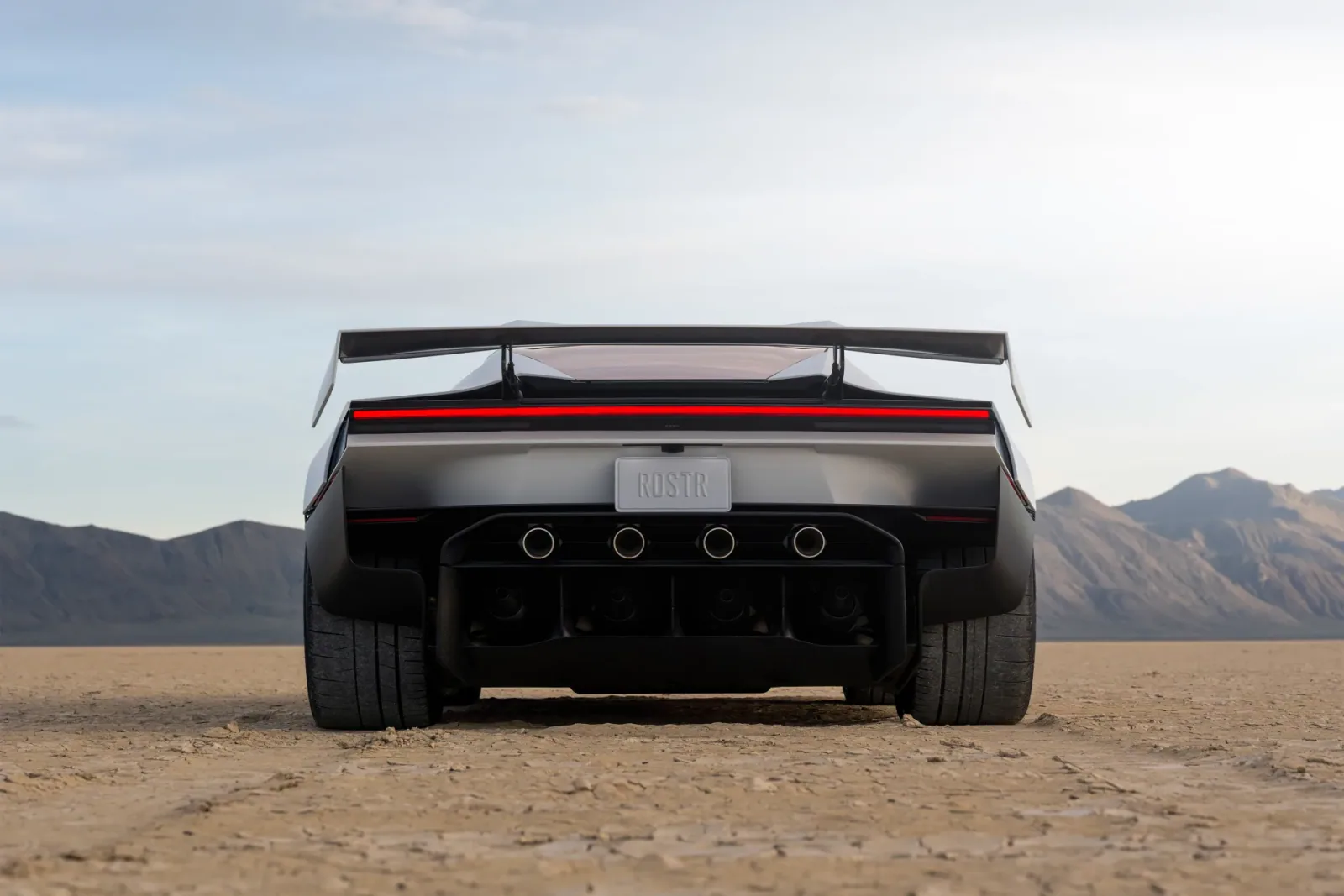
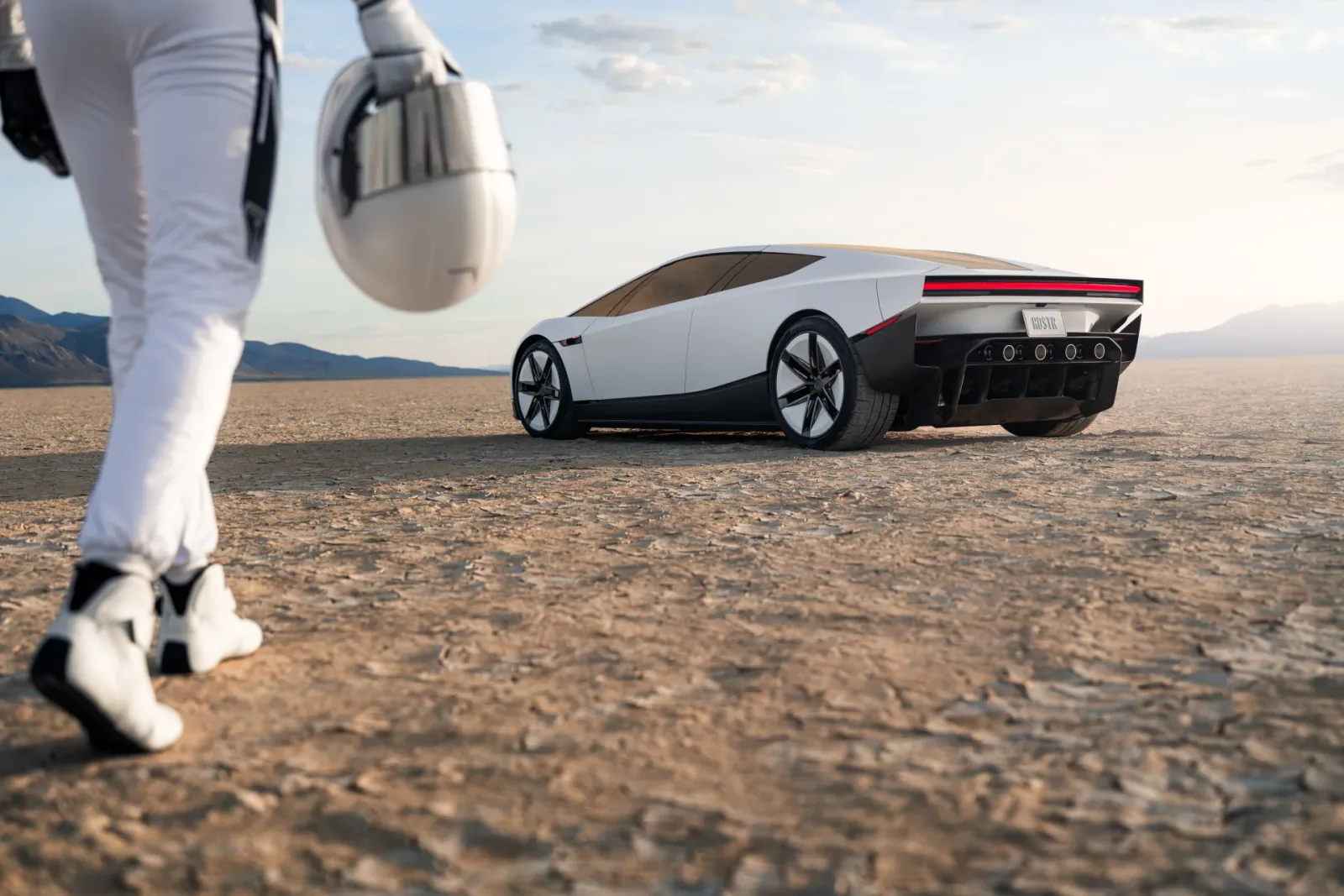
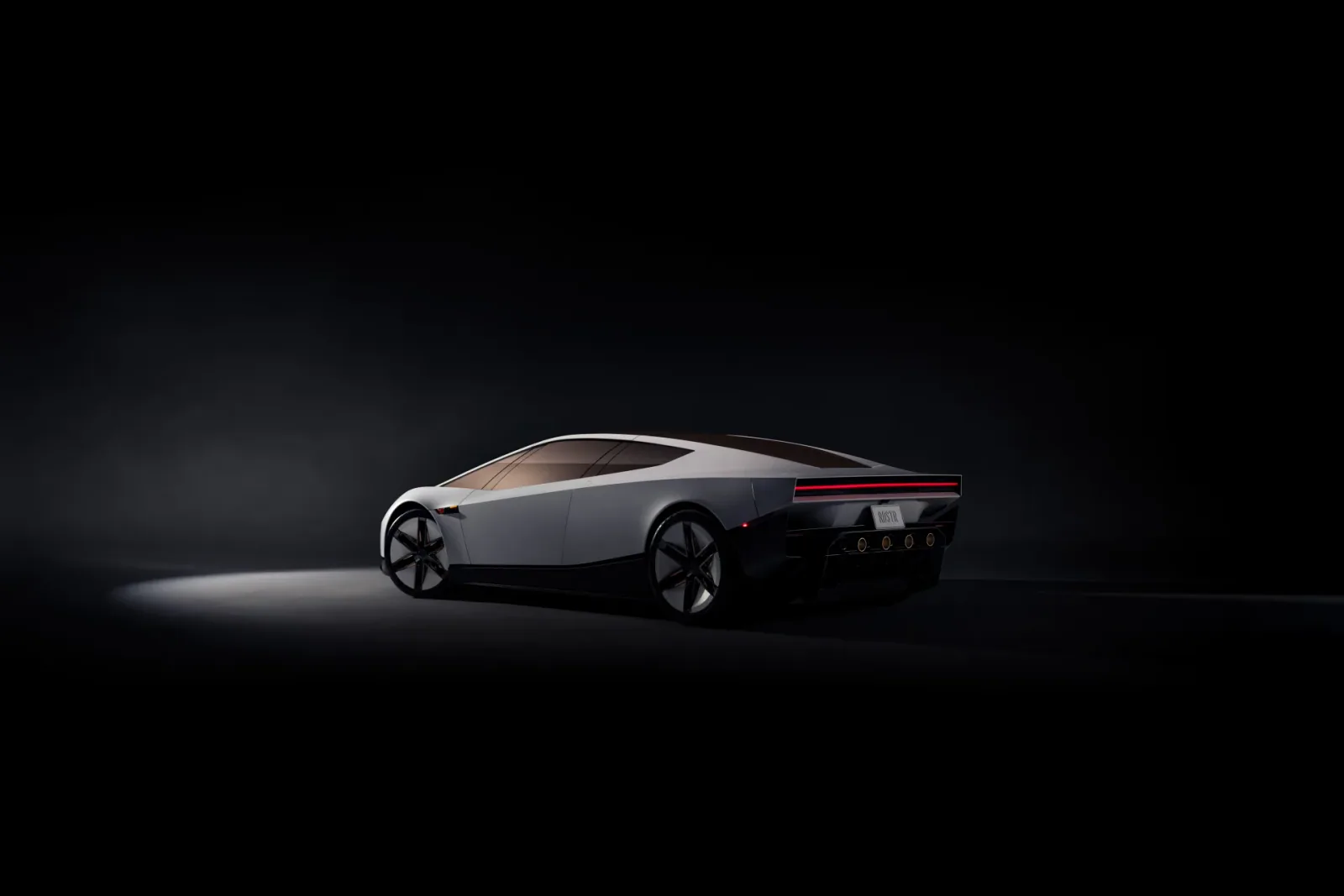
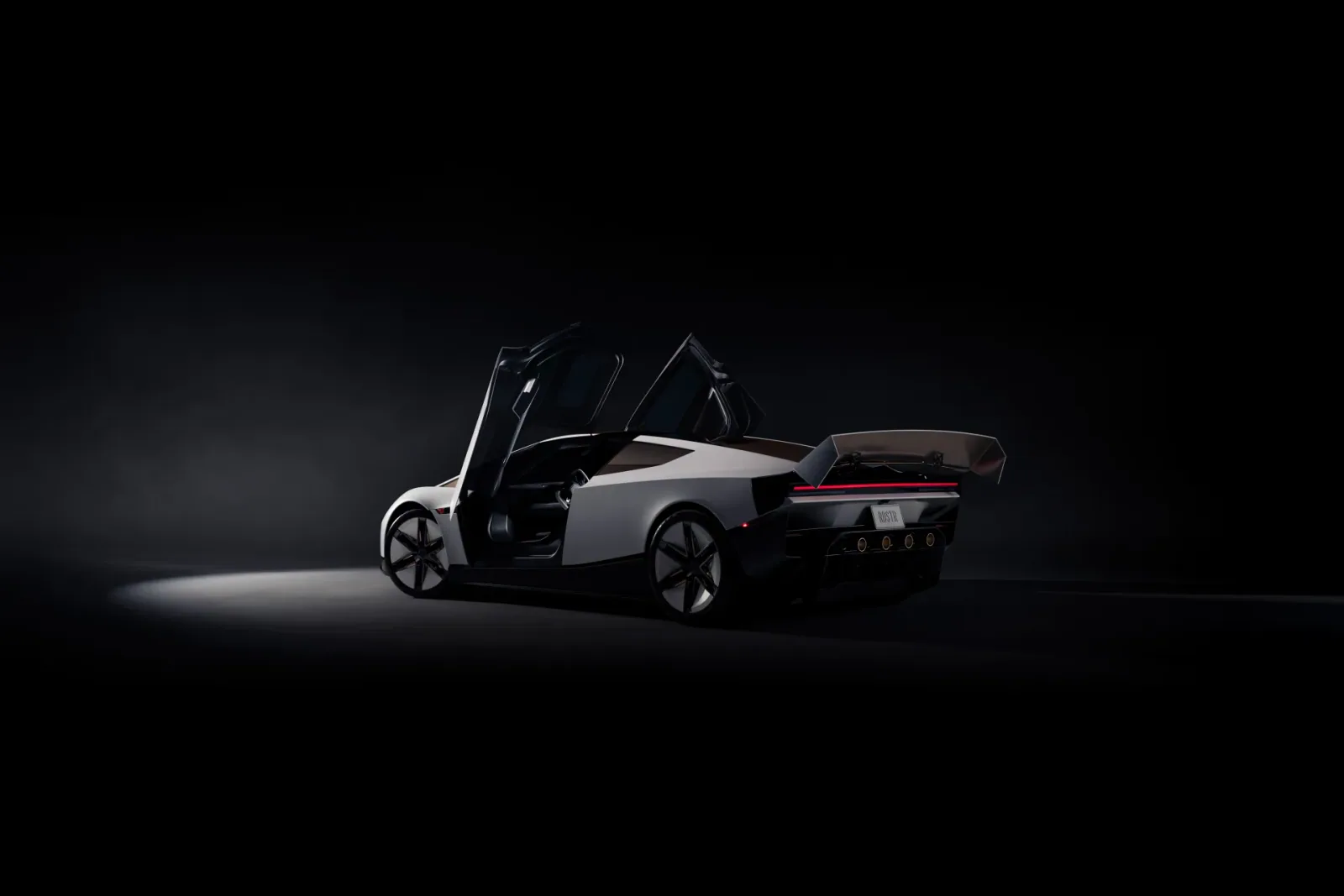
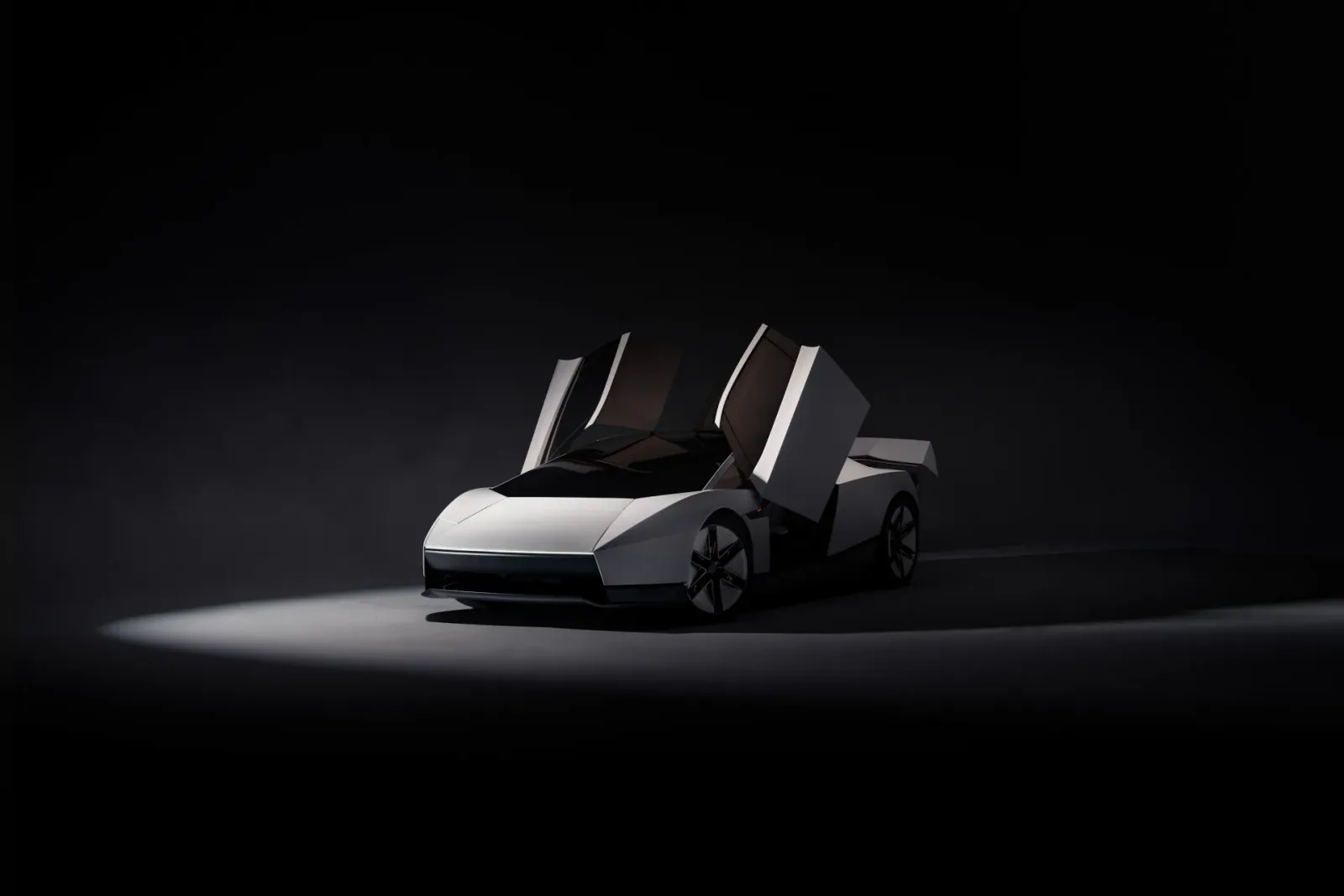
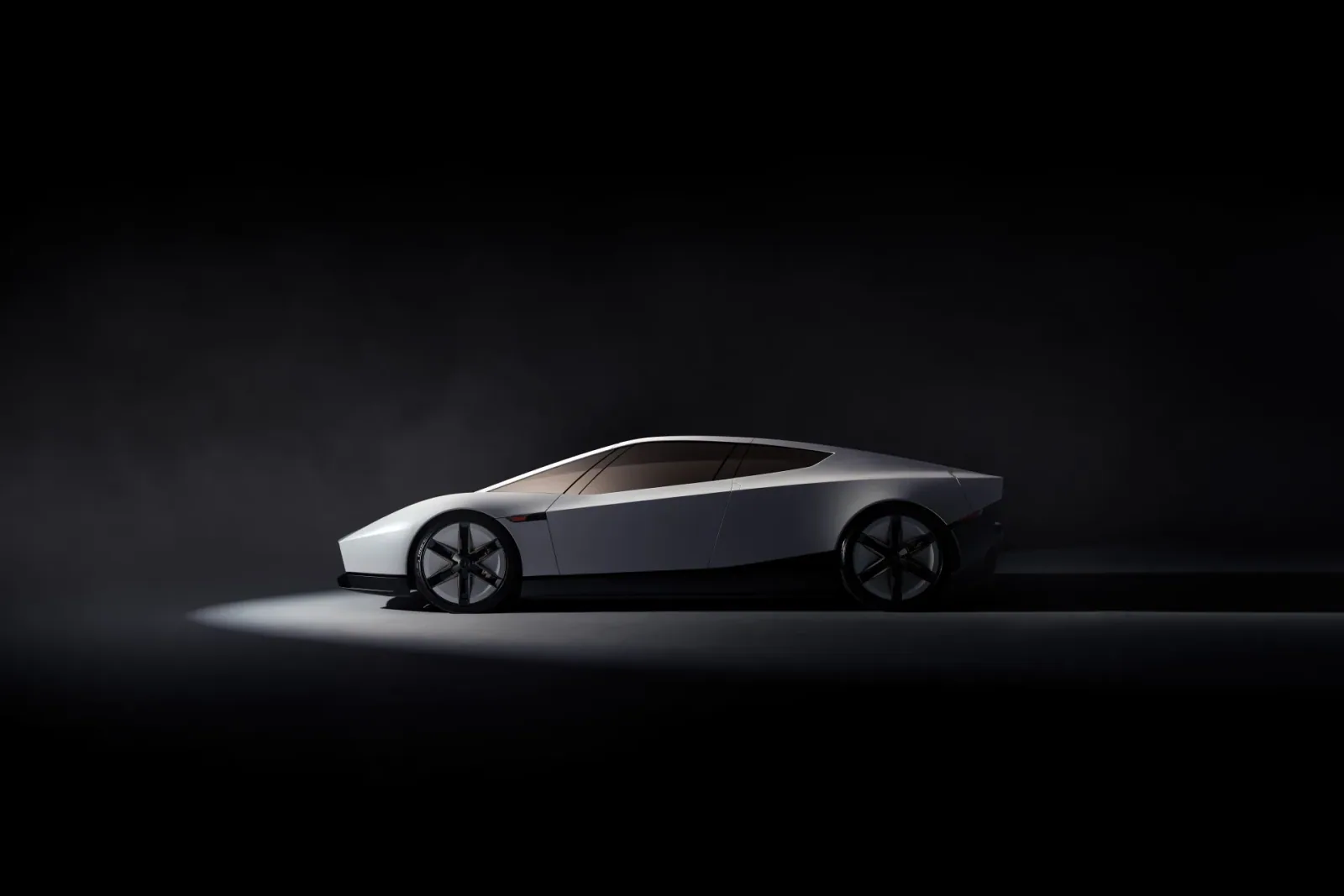
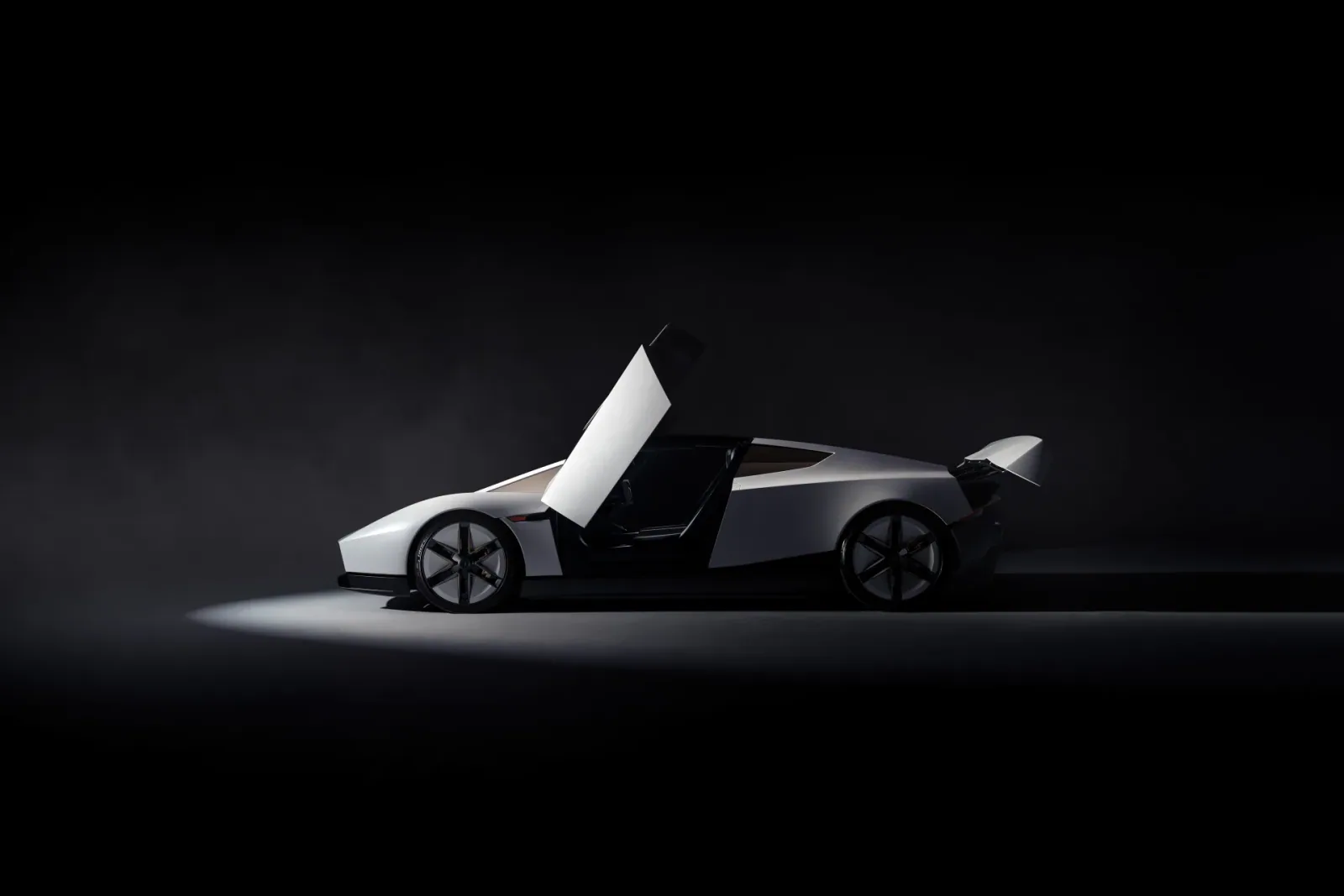
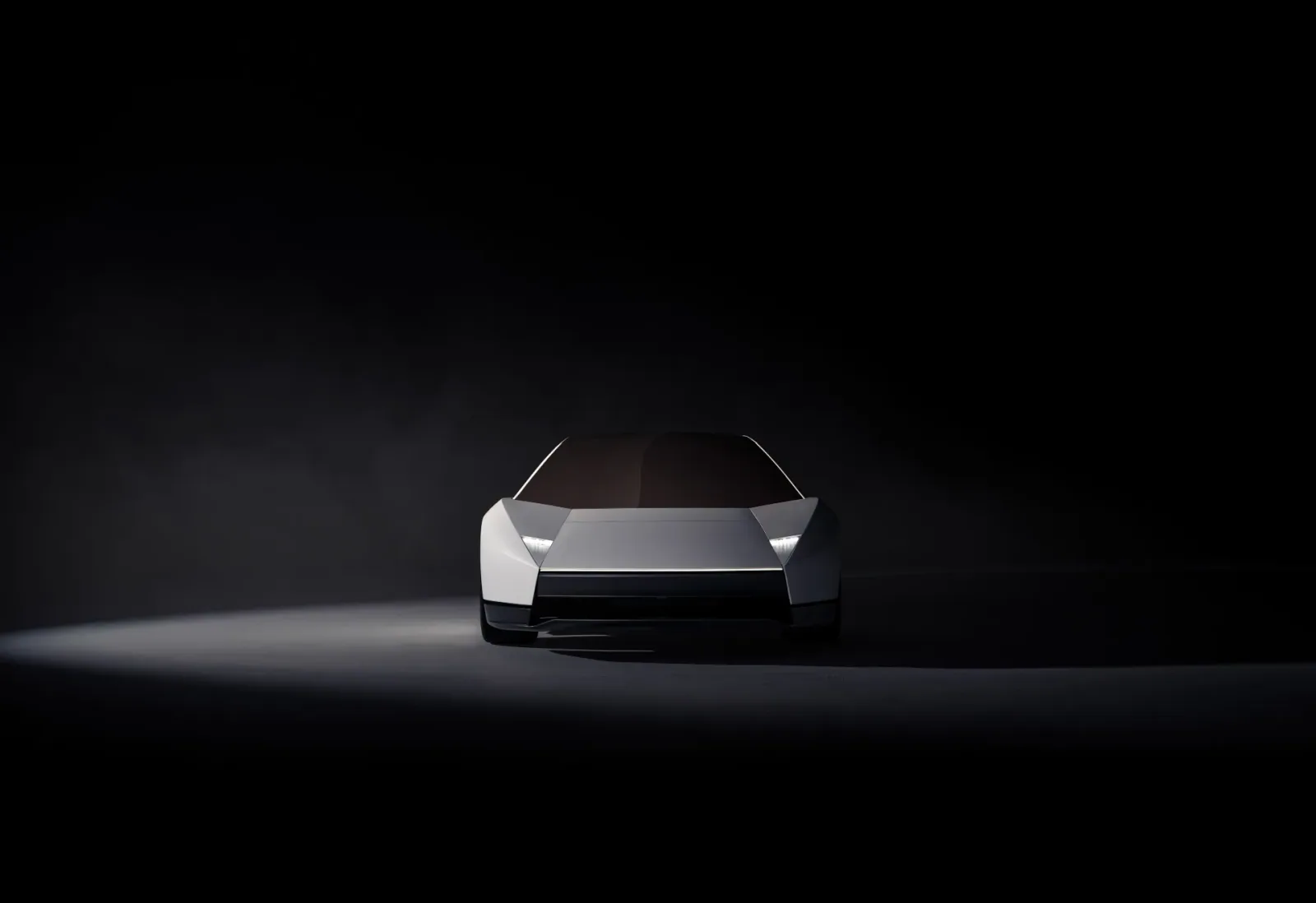
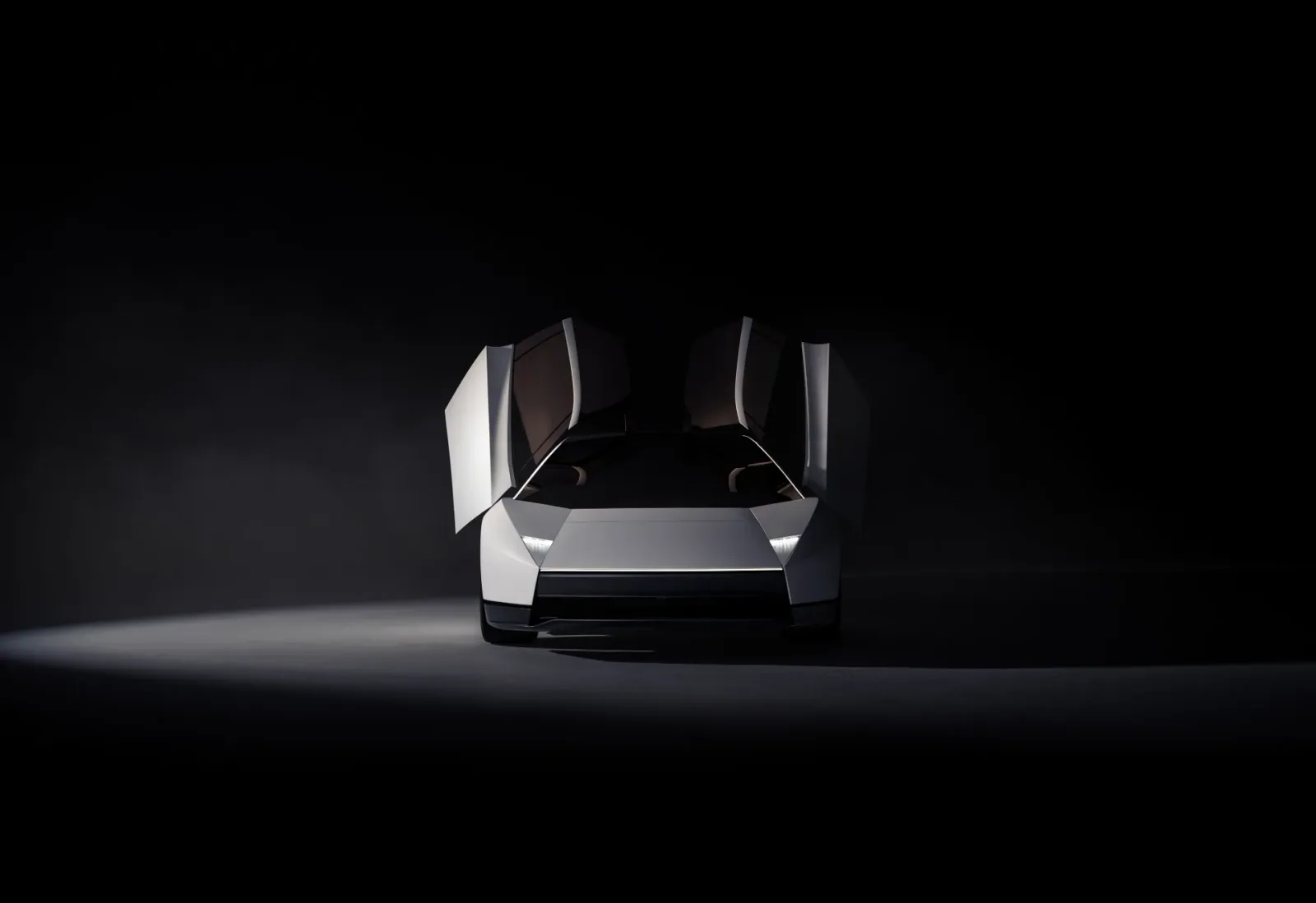
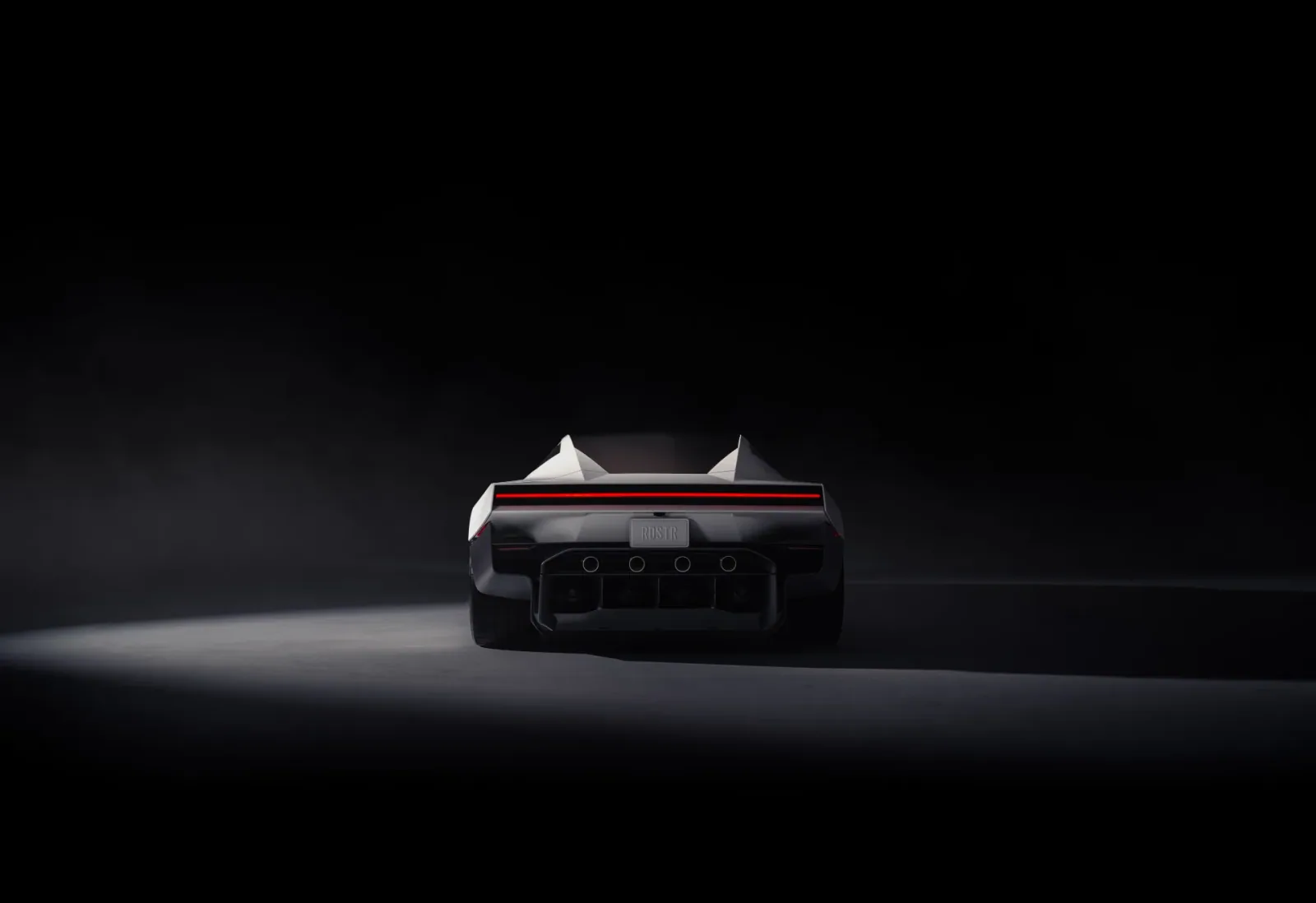
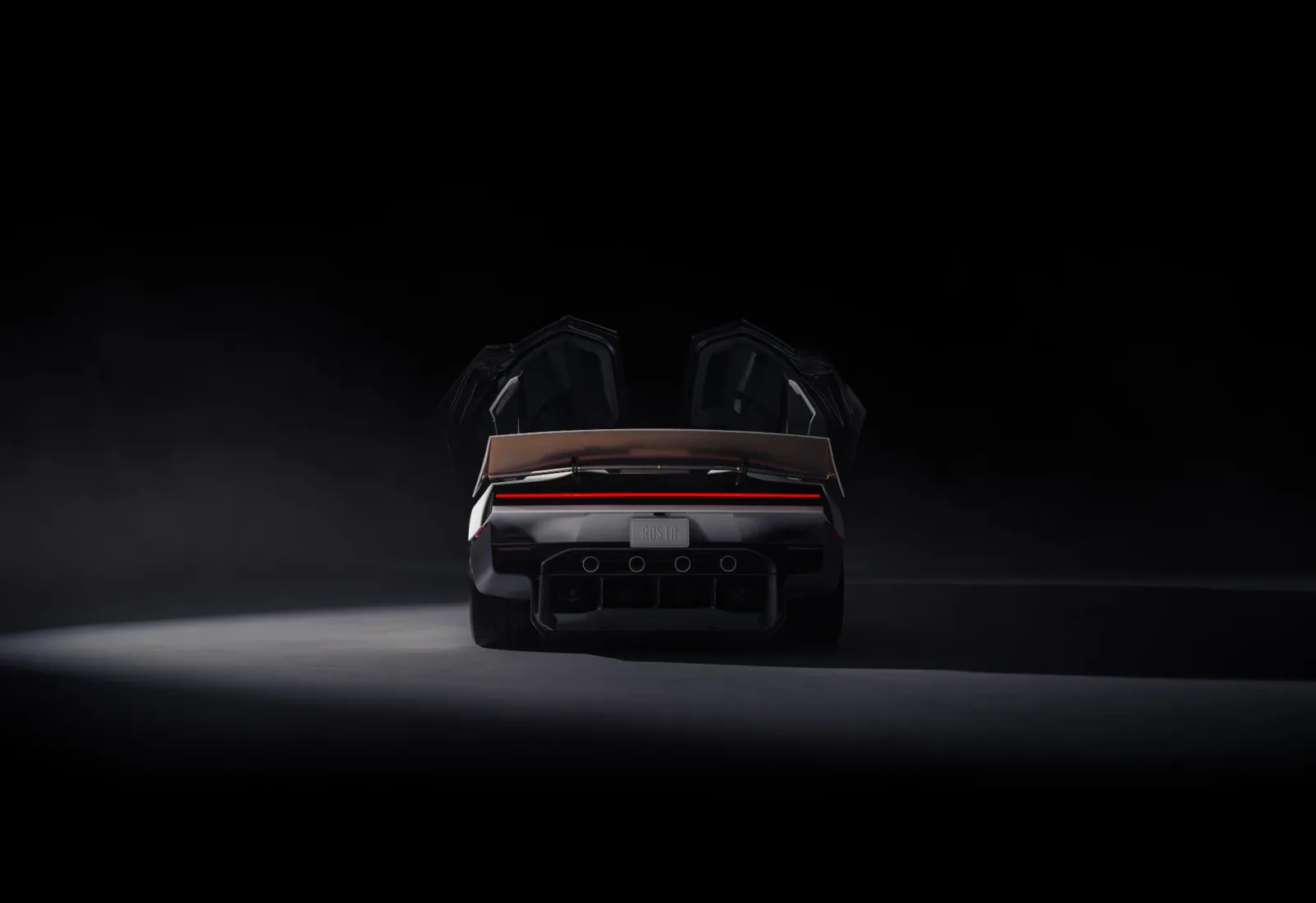
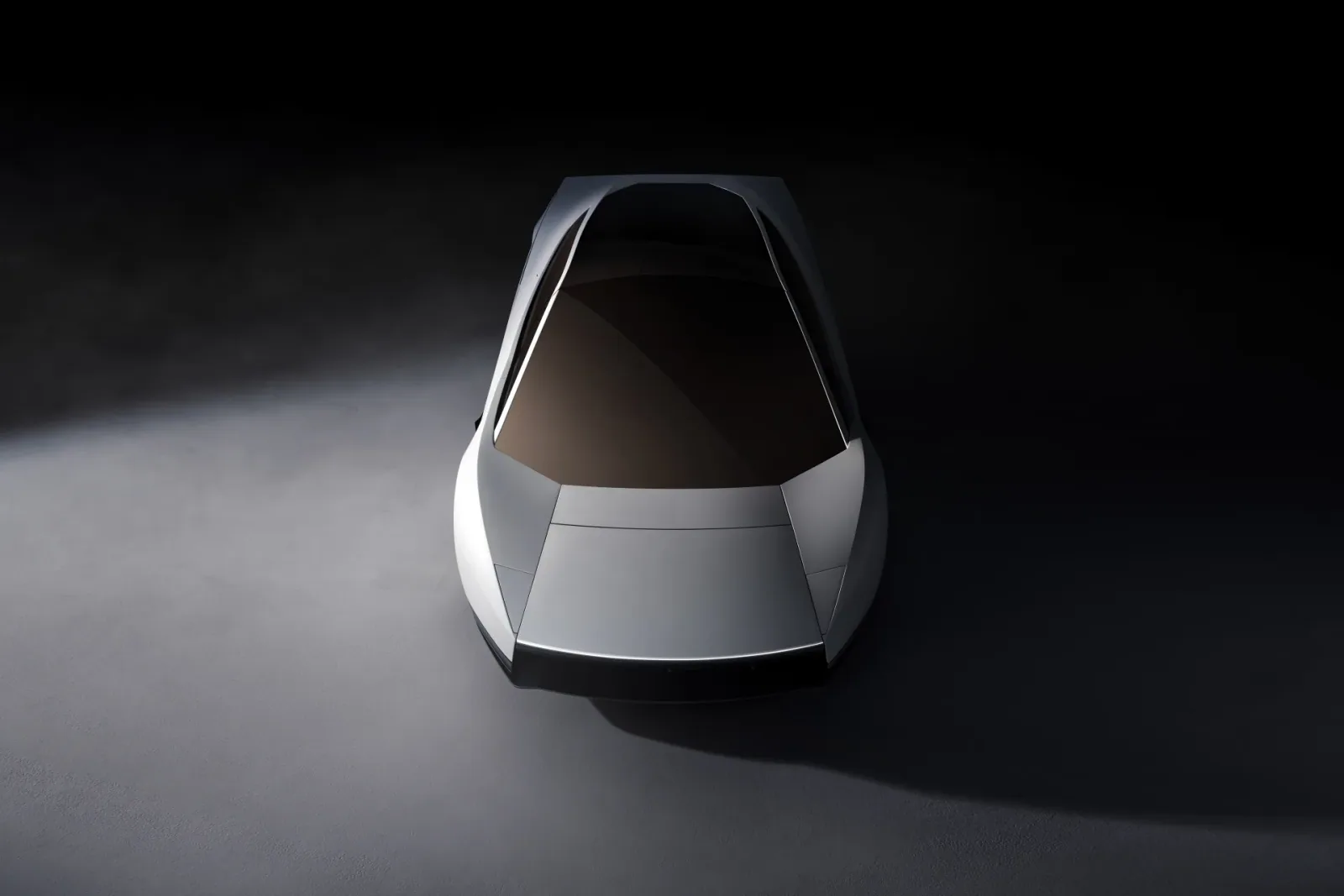
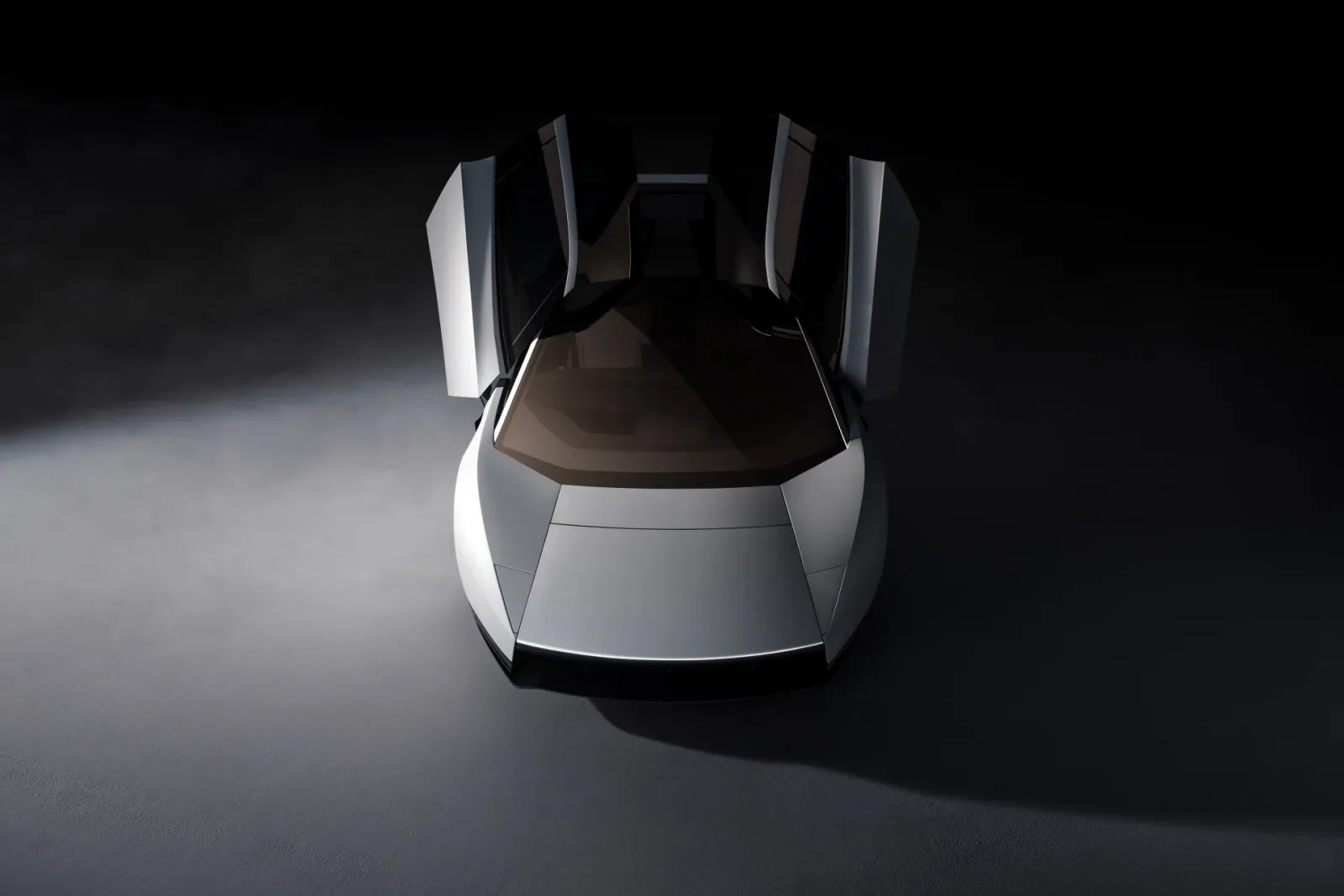
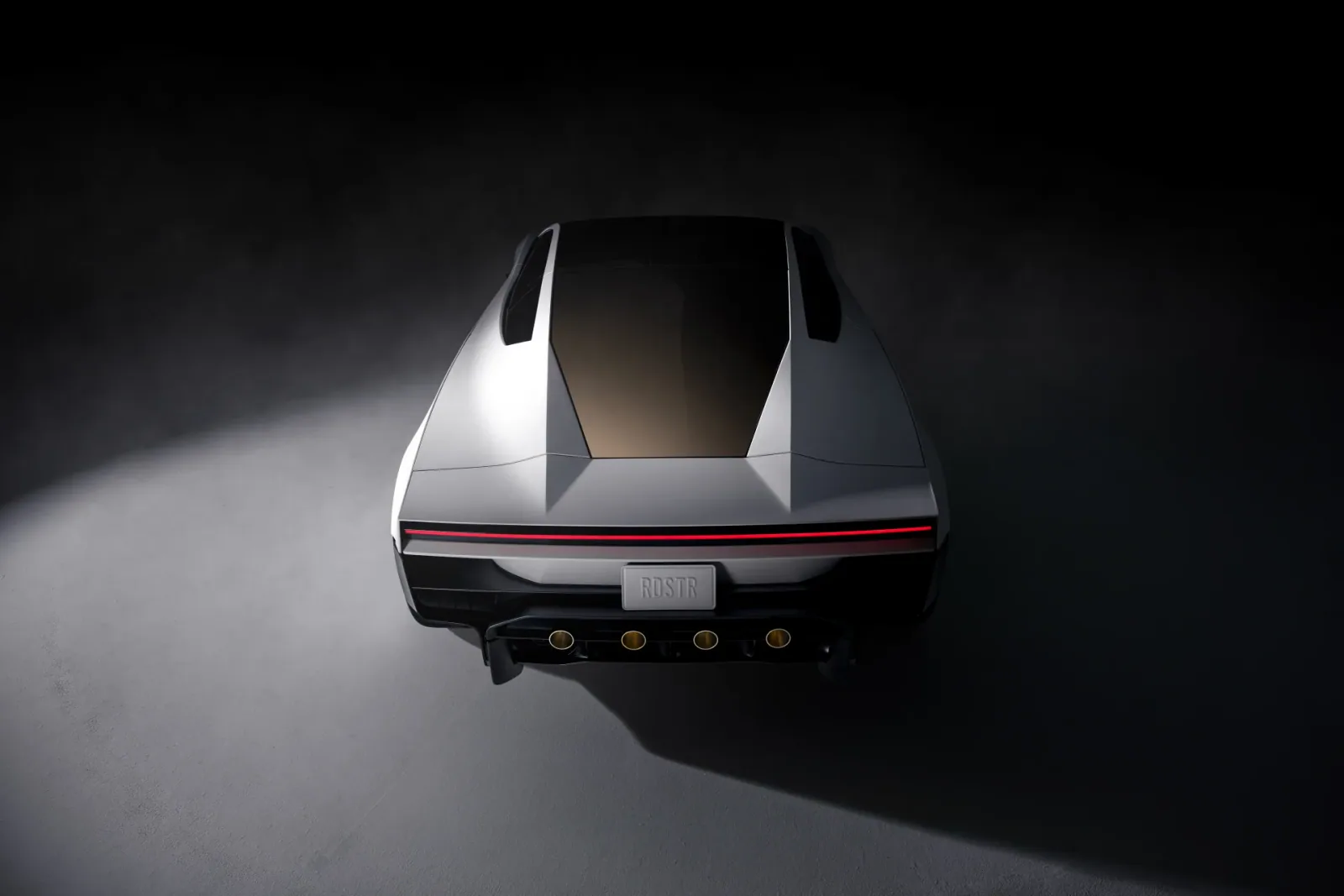
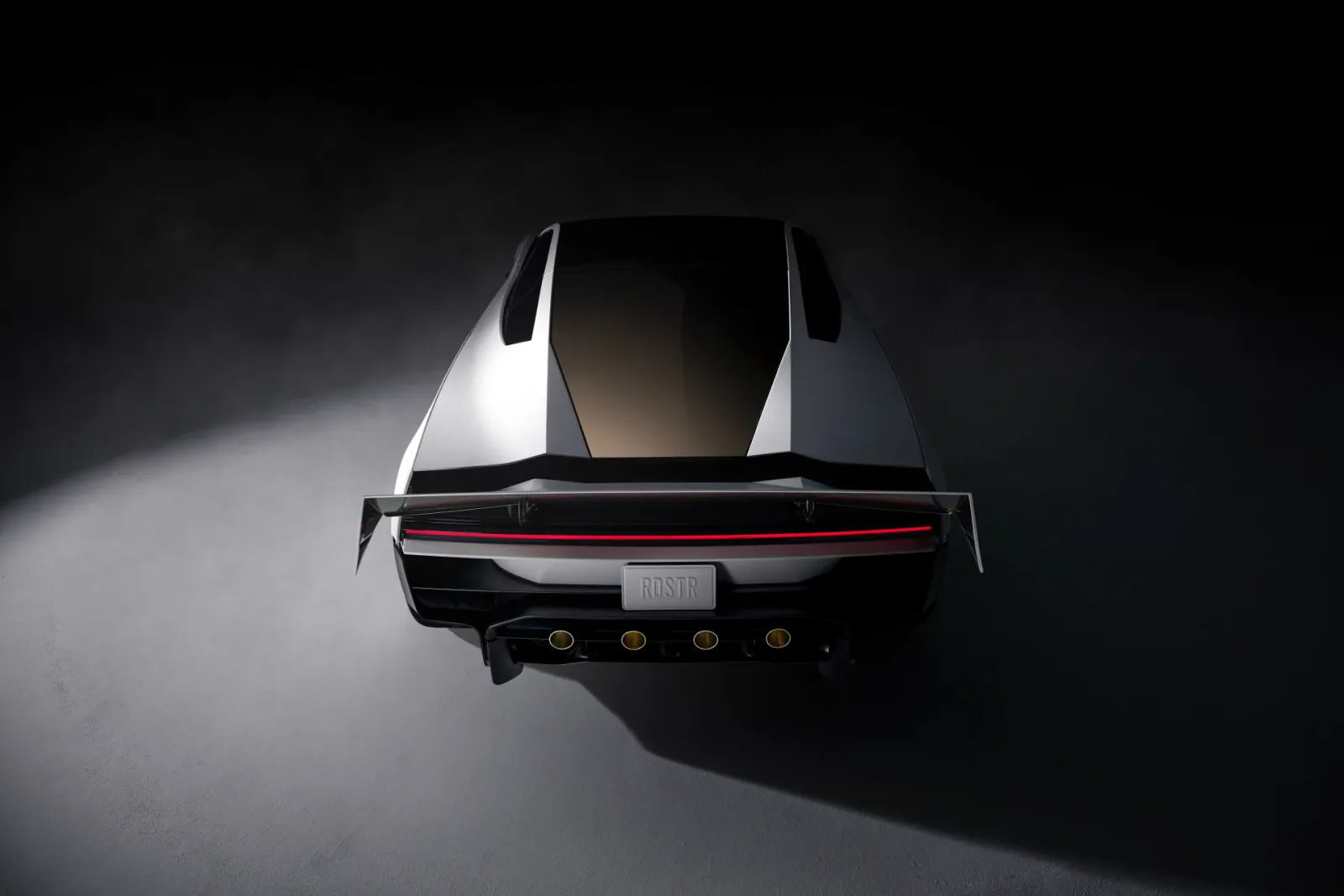
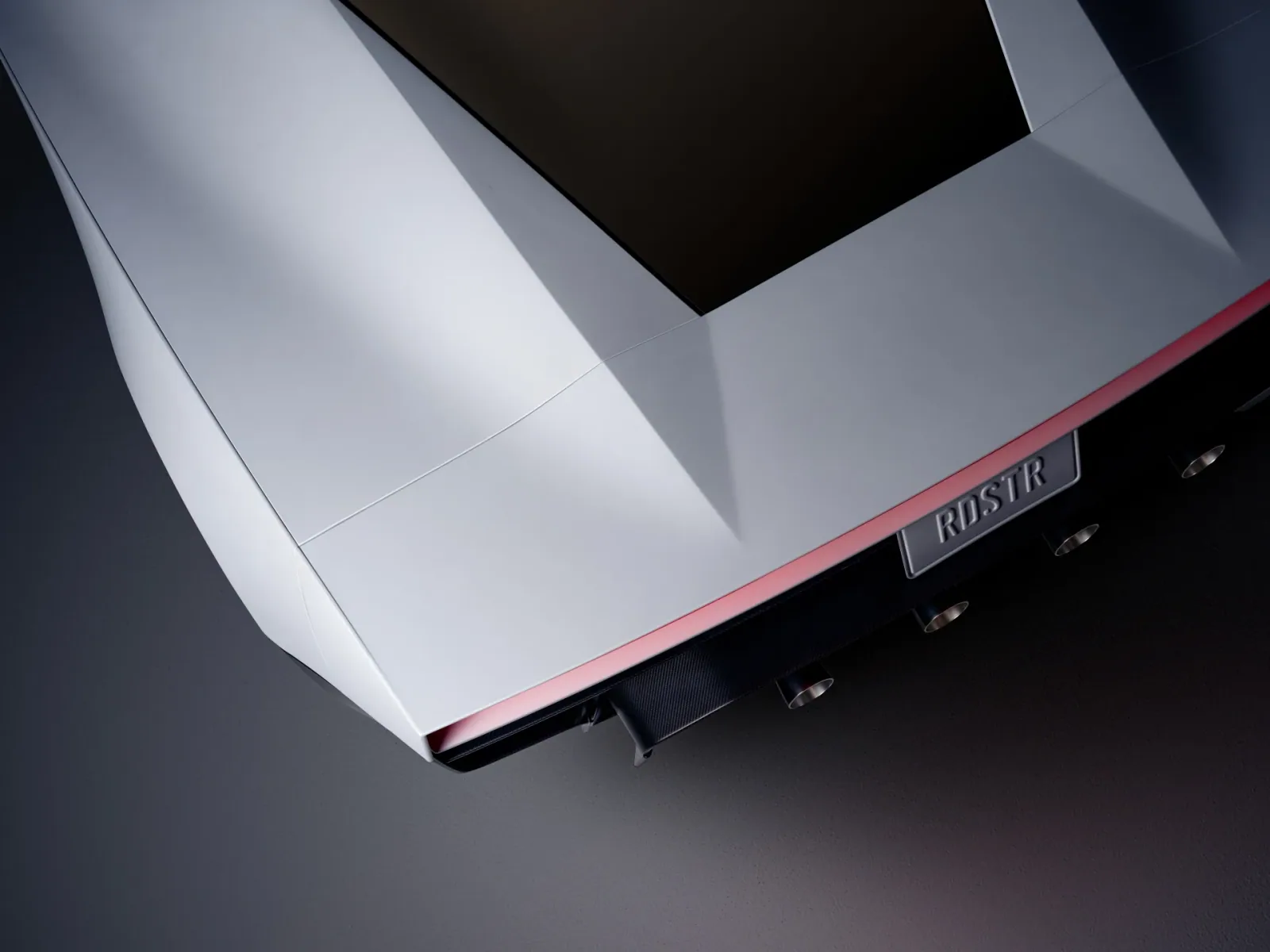
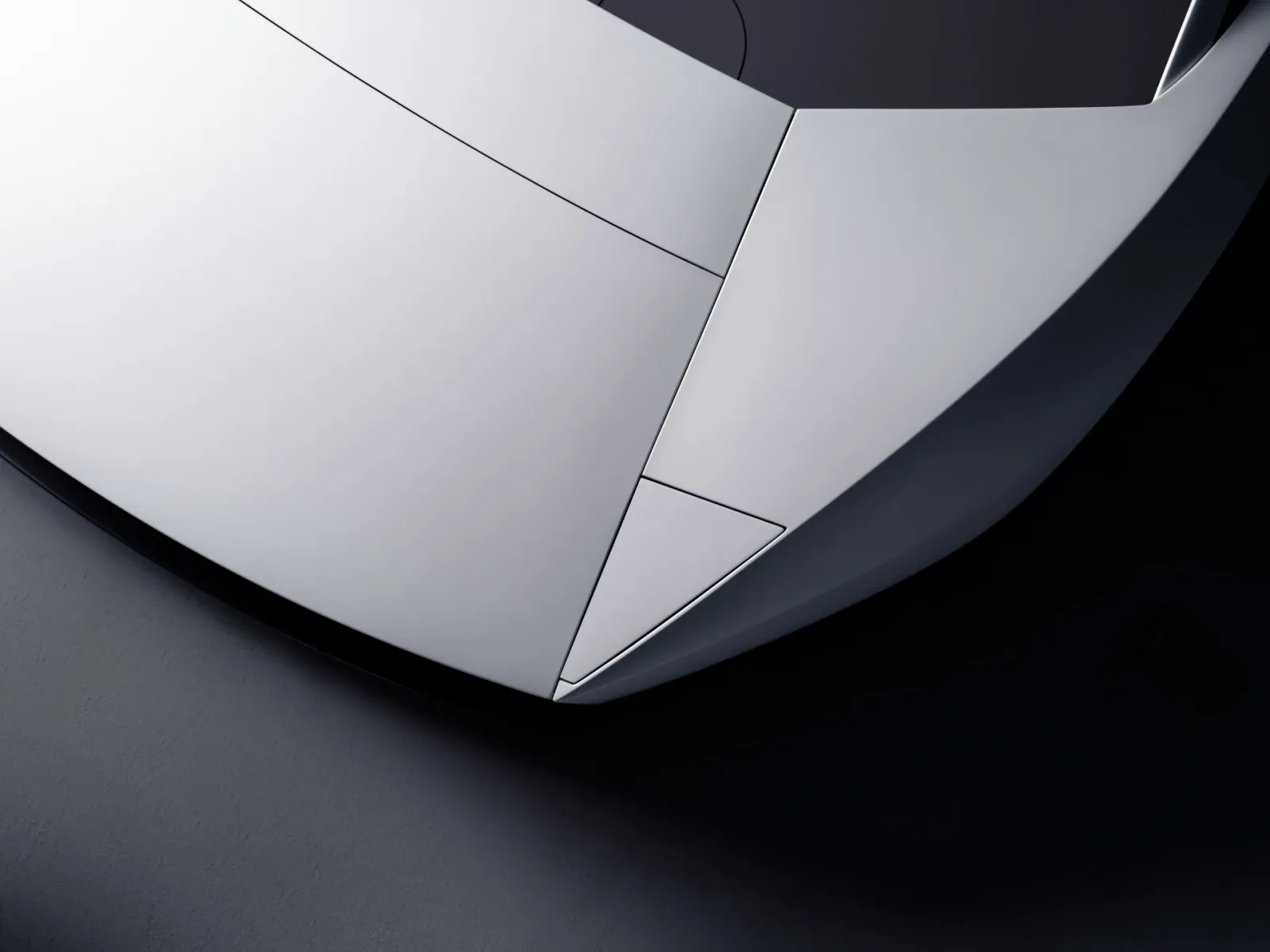
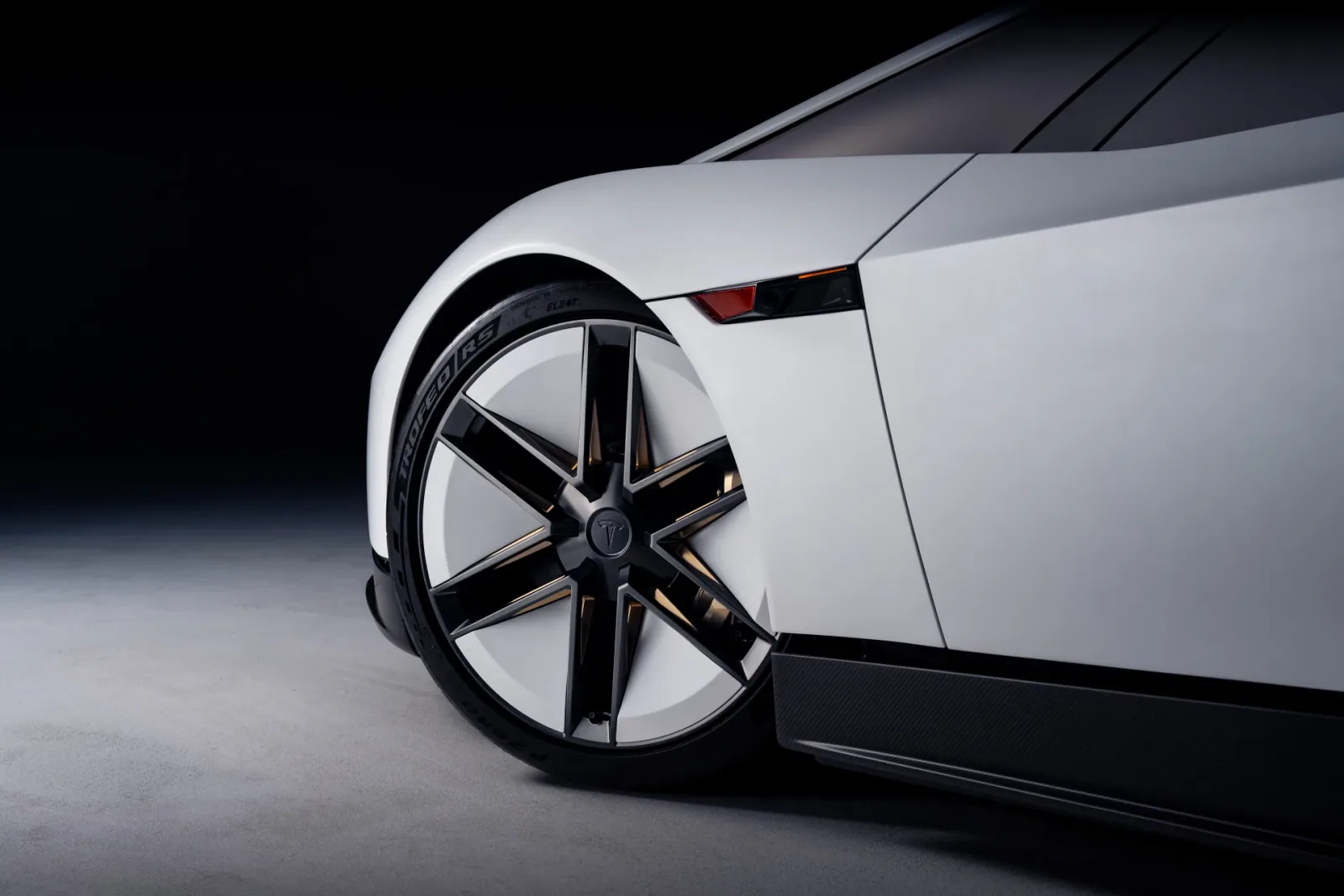
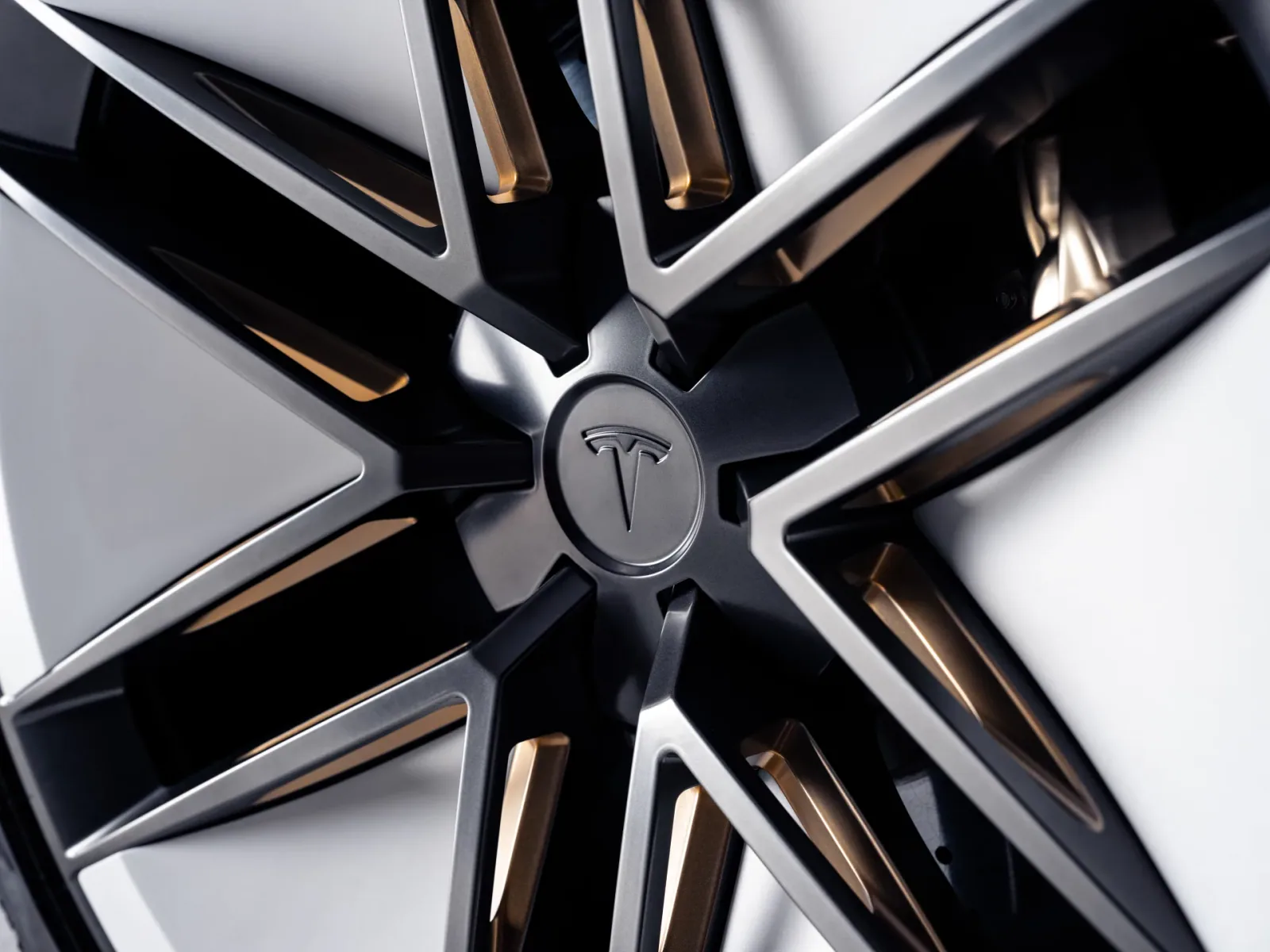
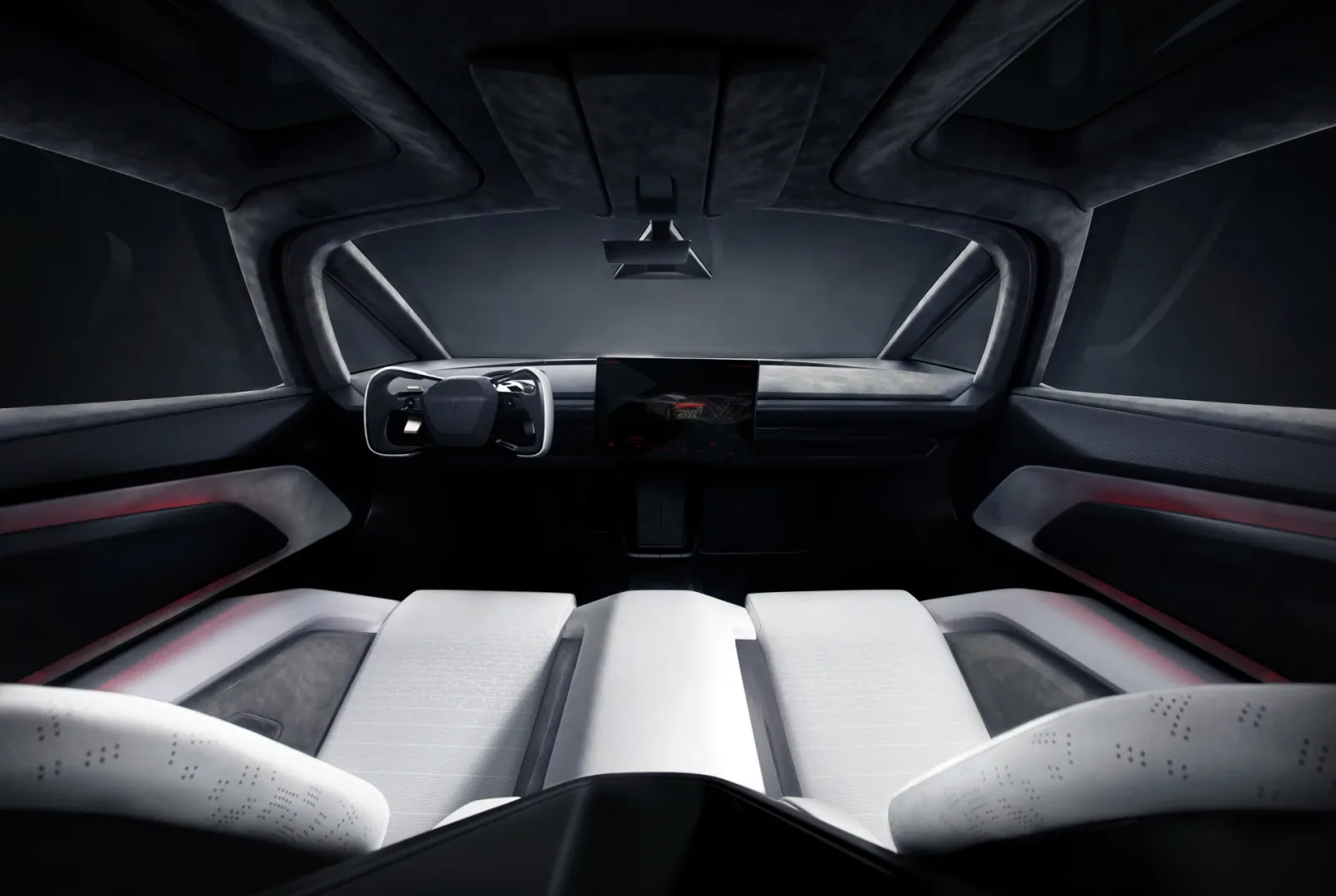
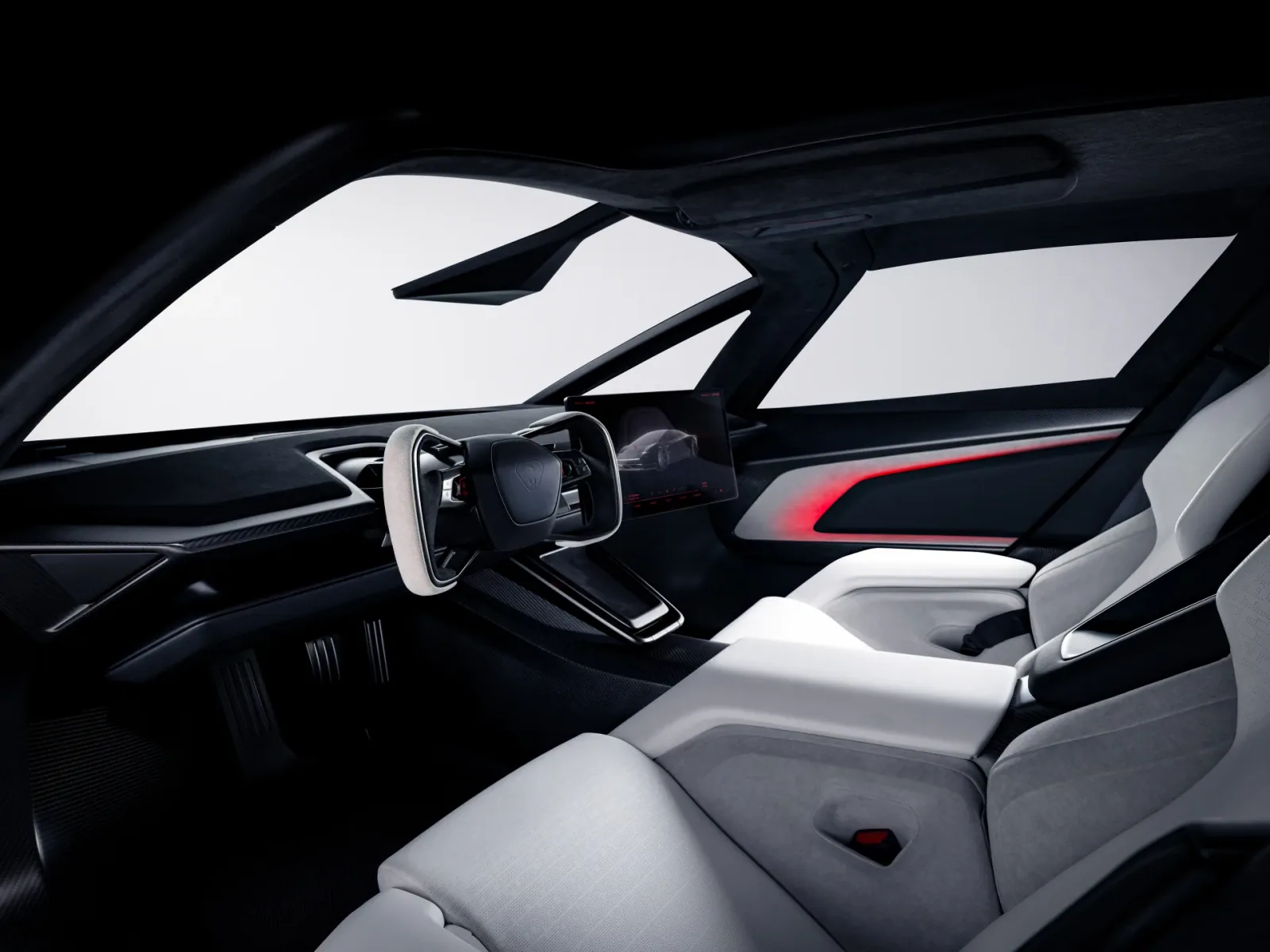
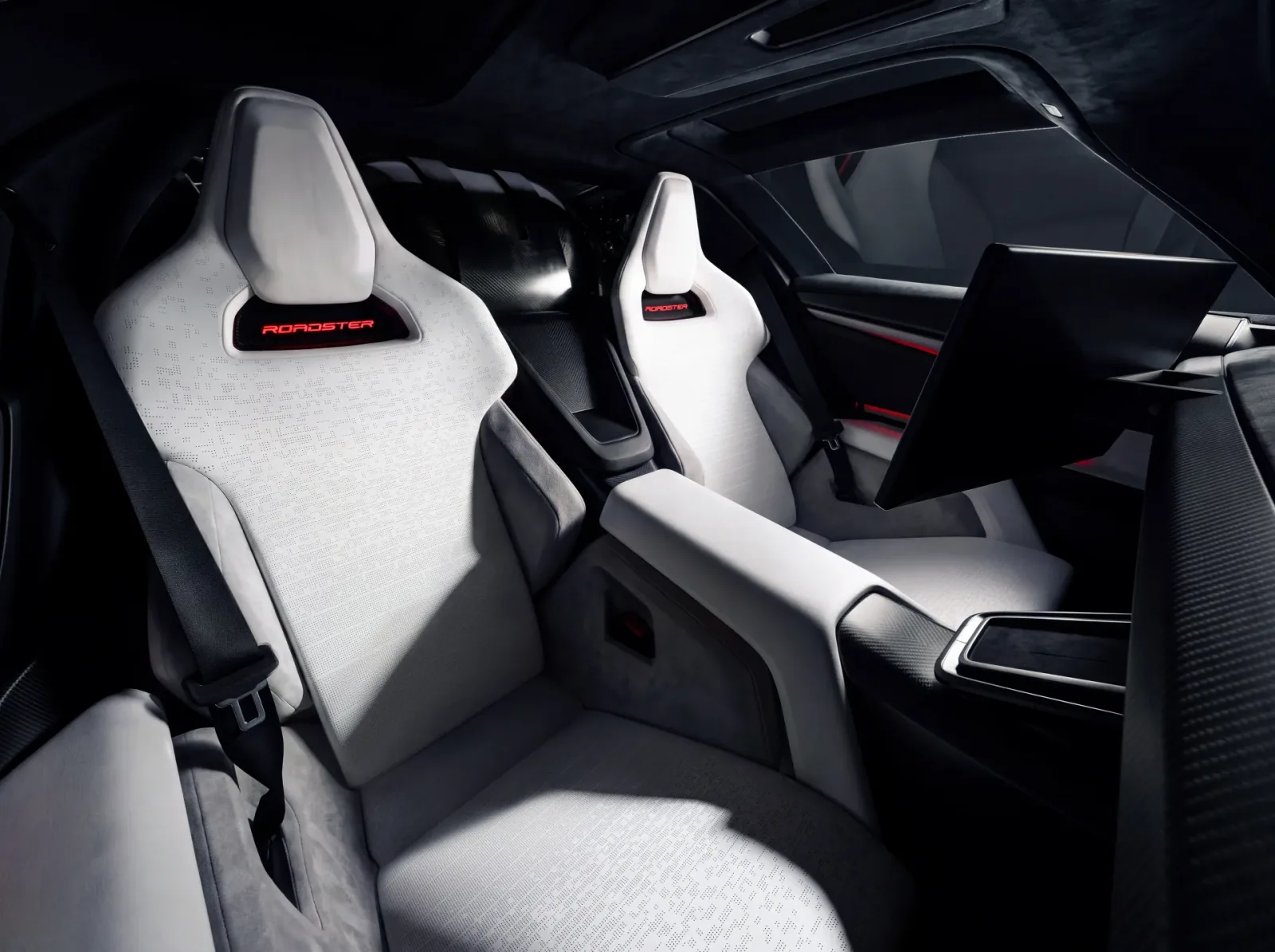
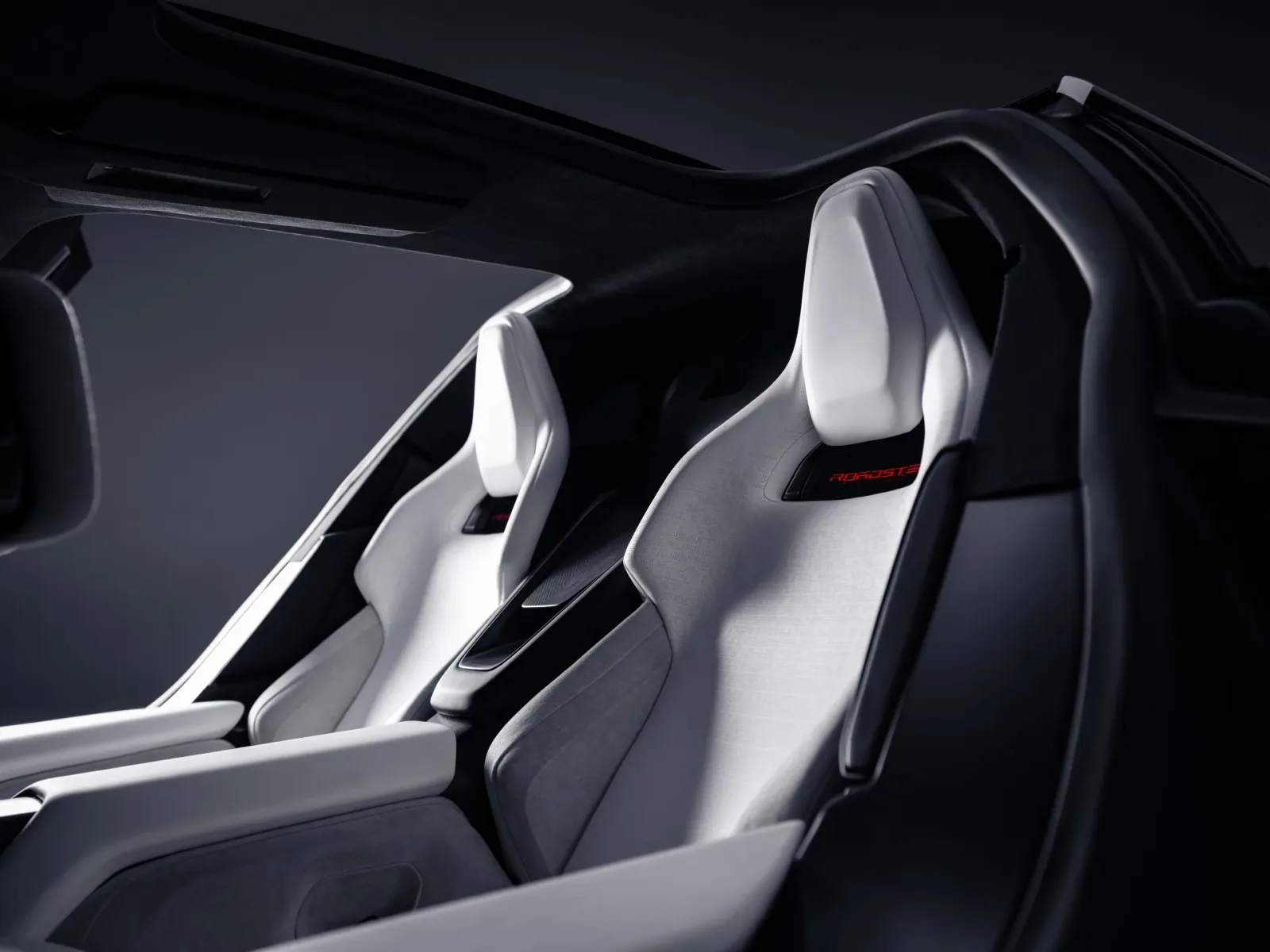
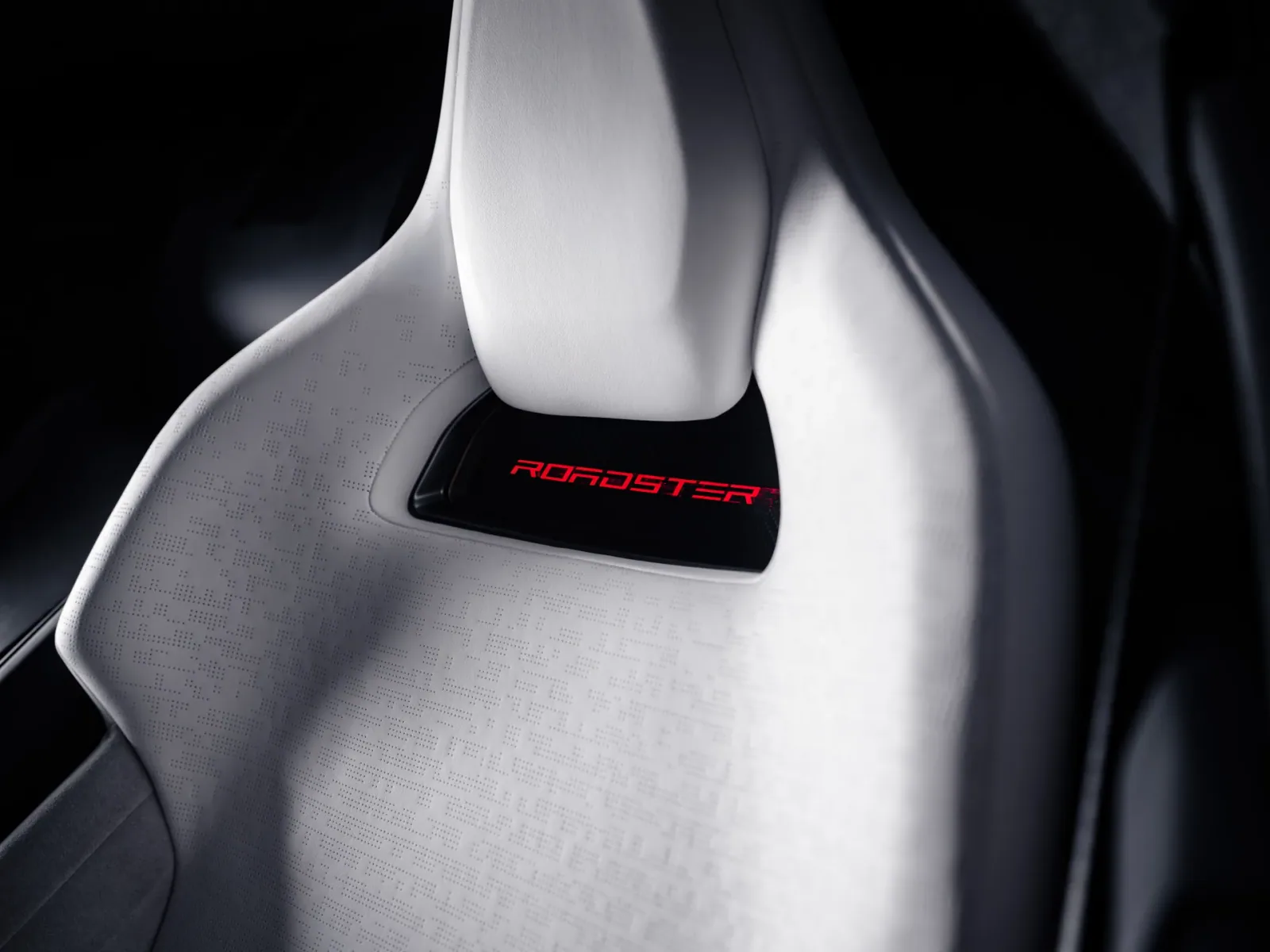
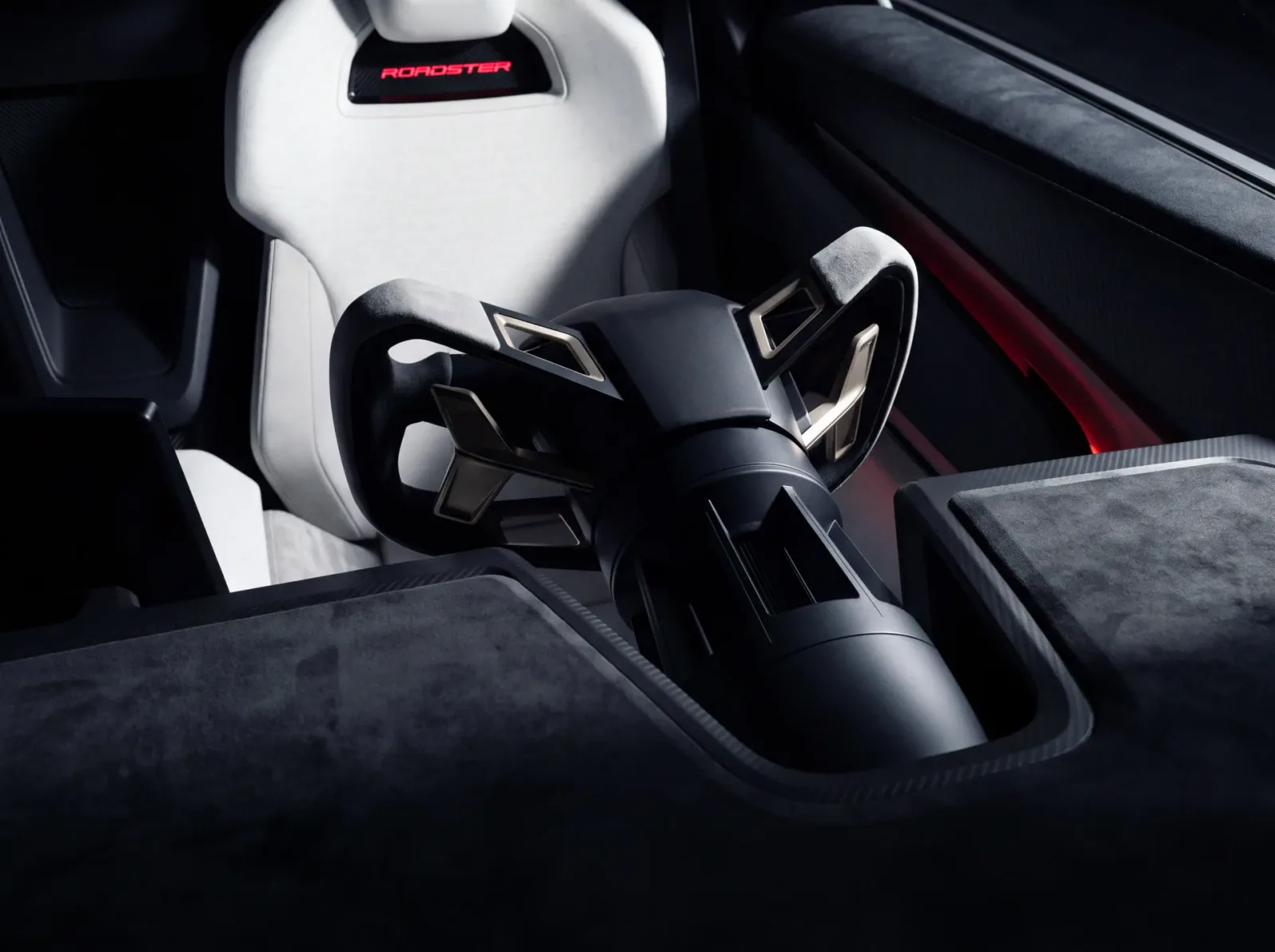
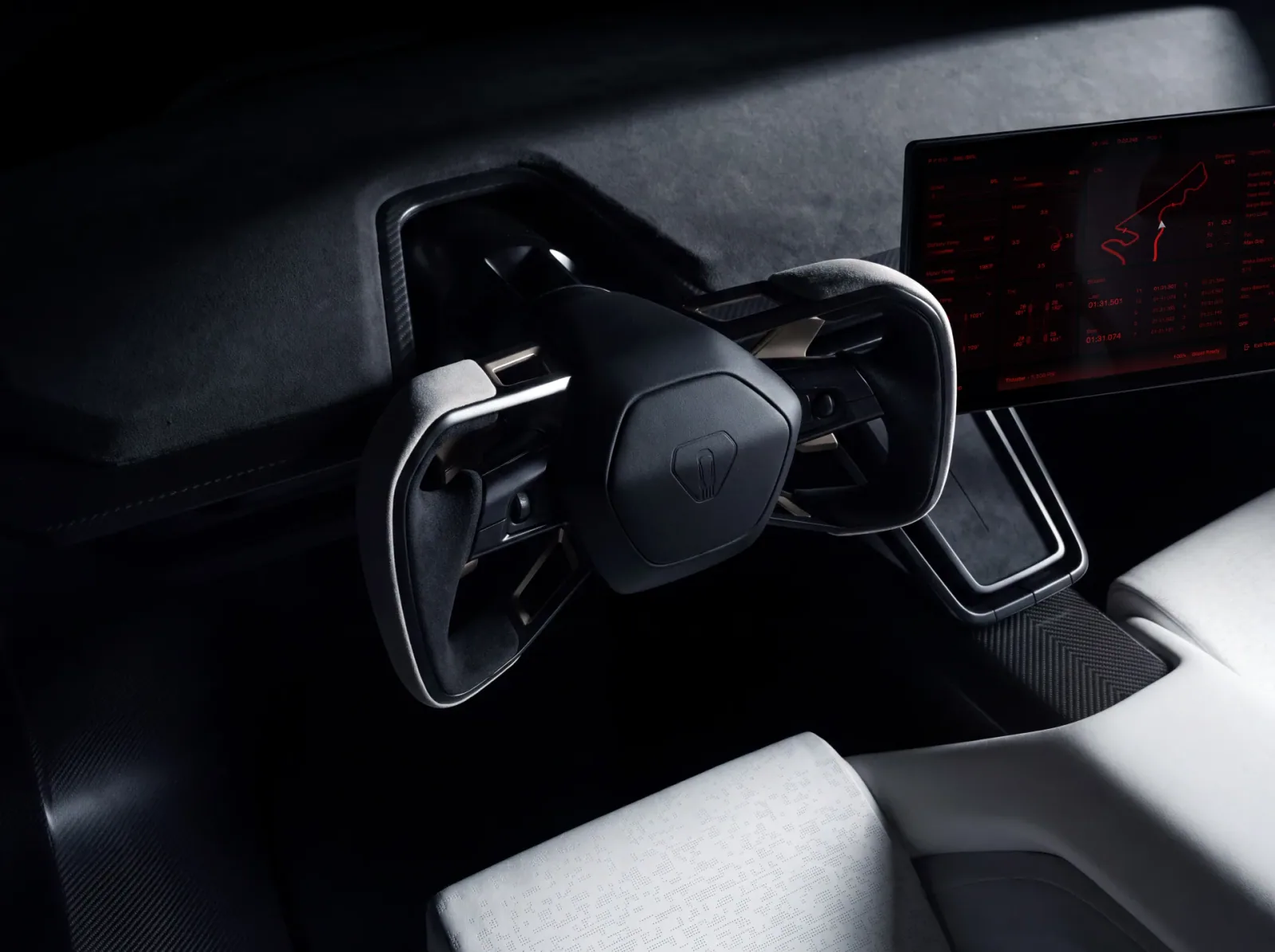
There is a lot to look at here, so I included all 40 images from Tesla’s Roadster media kit: seven alongside the story and the remaining 33 below. The image files retain their original pixels, dimensions, colors, and framing. Captions sit outside the images.
These are Tesla-supplied media assets. Their presence in a media kit does not establish whether each one is a photograph, a render, or a composite, and dramatic imagery should not be treated as separate proof of a performance claim. Every image is credited to Tesla.
The exterior and the atmosphere
The shape, the doors, and the wing
The small details
Inside the cabin
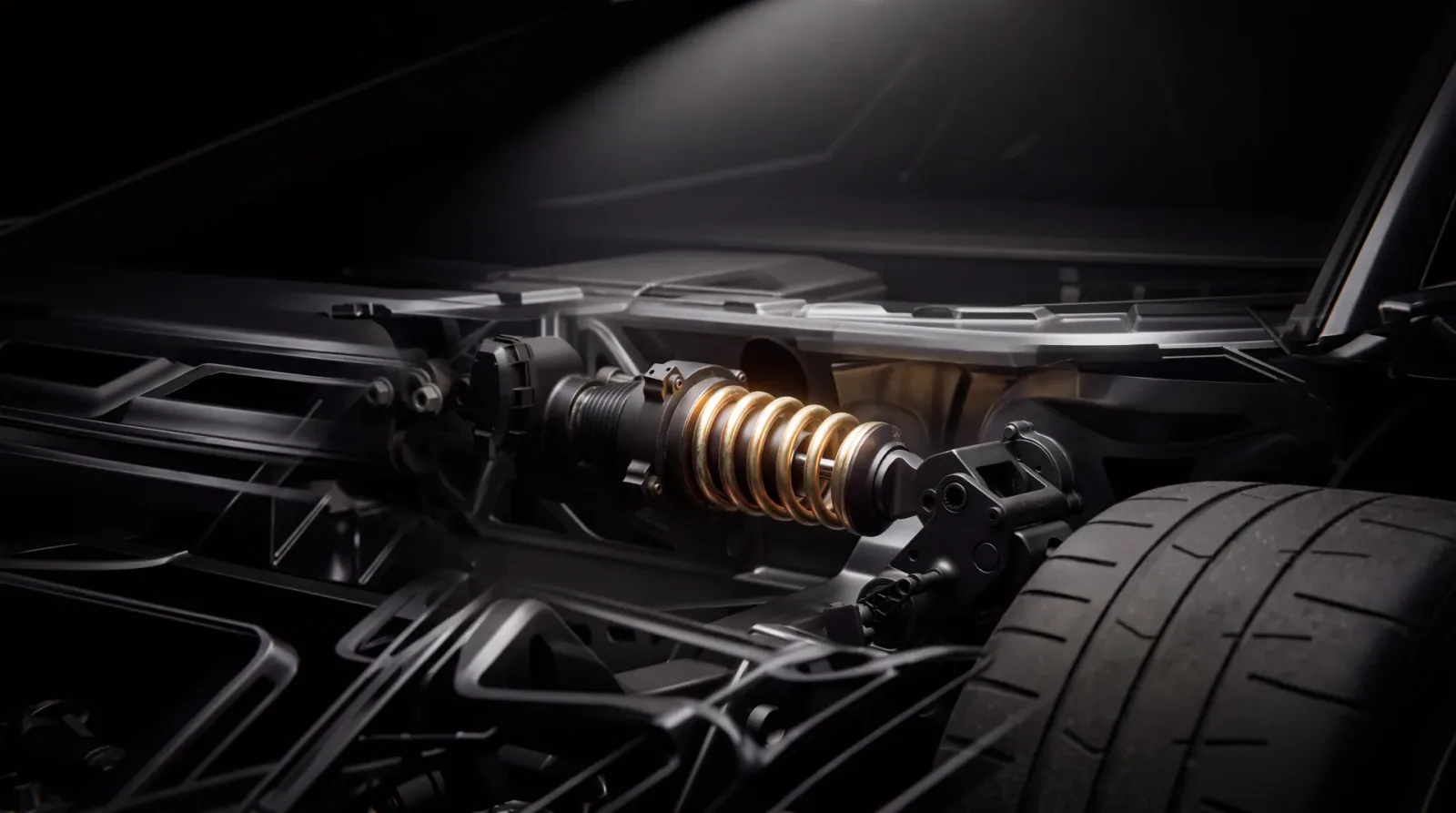
A closer look underneath
What I want to know after the holy-cow moment
Watch the full sequence, then ask yourself which part impressed you most: the grip, the acceleration, the movement in the air, or simply the fact that a team pursued something this strange. For me, the combination is what makes it stick.
I still want the practical answers. I want to hear from people who stood there. I want the thoughtful explanations that take the mystery apart without taking all the fun out of it. And I want to see what this becomes when it leaves the stage of being an incredible demonstration.
But right now? Holy cow. I am glad I watched it. Technology can still make me stop, stare, and wonder what comes next. This one absolutely did.
Editorial image credit: Courtesy of Tesla, Inc. Tesla’s gallery and media-use terms. This article is commentary on the reveal and Tesla’s published material. It is not a hands-on review.