Trust & transparency
Evidence & disclosures
Not yet classified. This article has not yet been classified under the current editorial standard. It may predate the policy; do not assume a product was owned, tested, supplied, or independently verified unless the article says so.
Linked references: 4 explicit sources in the article.
My first question about Sony’s new gaming headsets is pretty simple: what problem are they going to solve for somebody who just wants to play a game?
I don’t need a vocabulary test before I can enjoy a racing game. I do want to hear what’s happening, talk without repeating myself, and keep the living room from sounding like an action movie after everybody else has gone to bed.
That is where the new PlayStation Pulse makes sense. The more expensive-looking Pulse Edge needs to make a stronger case. My take: these aren’t only for audiophiles, but the ordinary player should shop for a practical improvement before paying for an impressive feature list.
This is an announcement-based buying guide. I haven’t tested either new headset, so I can’t give you a sound-quality or comfort verdict.
Why Sony wants to sell you the headphones, too
Sony already has a gaming-audio business. Its announcement describes these as a refreshed lineup following the Pulse Elite introduced in 2024. The new standard Pulse has a U.S. recommended price of $99.99 and a November 19, 2026 launch in select regions. Preorders start October 29; Pulse Edge is planned for early 2027. Those are announced dates, not a promise of local stock. PlayStation’s announcement
The bigger clue is Audeze. In 2023, Sony Interactive Entertainment announced an agreement to acquire the headphone company, specifically linking its expertise to better PlayStation audio. Audeze’s work spans professional audio, audiophiles, and gaming. Sony wasn’t suddenly discovering that gamers have ears; it was investing in the technology behind what they hear. Sony’s acquisition announcement
My reading of the business logic is straightforward: Sony wants more of the experience around its console, including the accessory purchase. A headset that feels convenient within PlayStation gives an existing customer another reason to buy PlayStation hardware. That is my interpretation, not evidence that every Sony headset is the best value.
Who is the regular Pulse actually for?
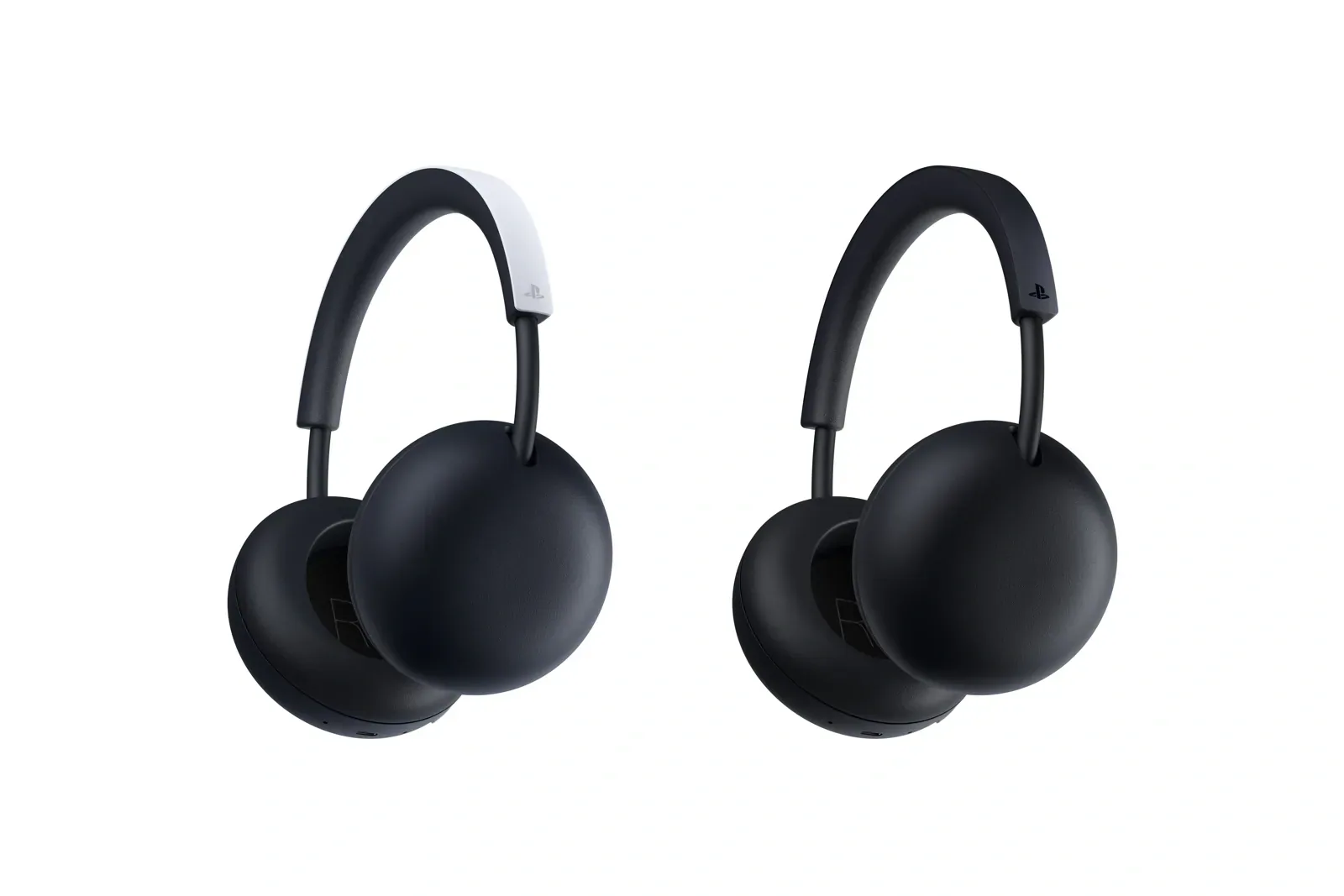
Think of the person who plays several evenings a week, shares a room, and wants wireless game sound and chat without assembling a miniature recording studio.
Sony’s Pulse product page describes planar magnetic drivers, PS5 3D audio support in compatible games, an integrated microphone with AI noise rejection, and simultaneous Bluetooth and PlayStation Link connectivity. The practical example is phone audio alongside PS5 game sound. Pulse product details
The driver is the part that makes sound. “Planar magnetic” describes its design; it doesn’t tell you whether the earcups squeeze your glasses or whether you like the sound. A casual player can appreciate clearer dialogue or a more convincing game world without becoming an audio hobbyist. Whether this headset delivers that improvement for you still needs listening.
For a parent or gift buyer, the useful question is whether the player’s current setup causes a recurring problem. A broken mic, an annoying cable, or TV audio keeping someone awake is a reason to investigate. A new product name by itself isn’t.
What does Pulse Edge add?
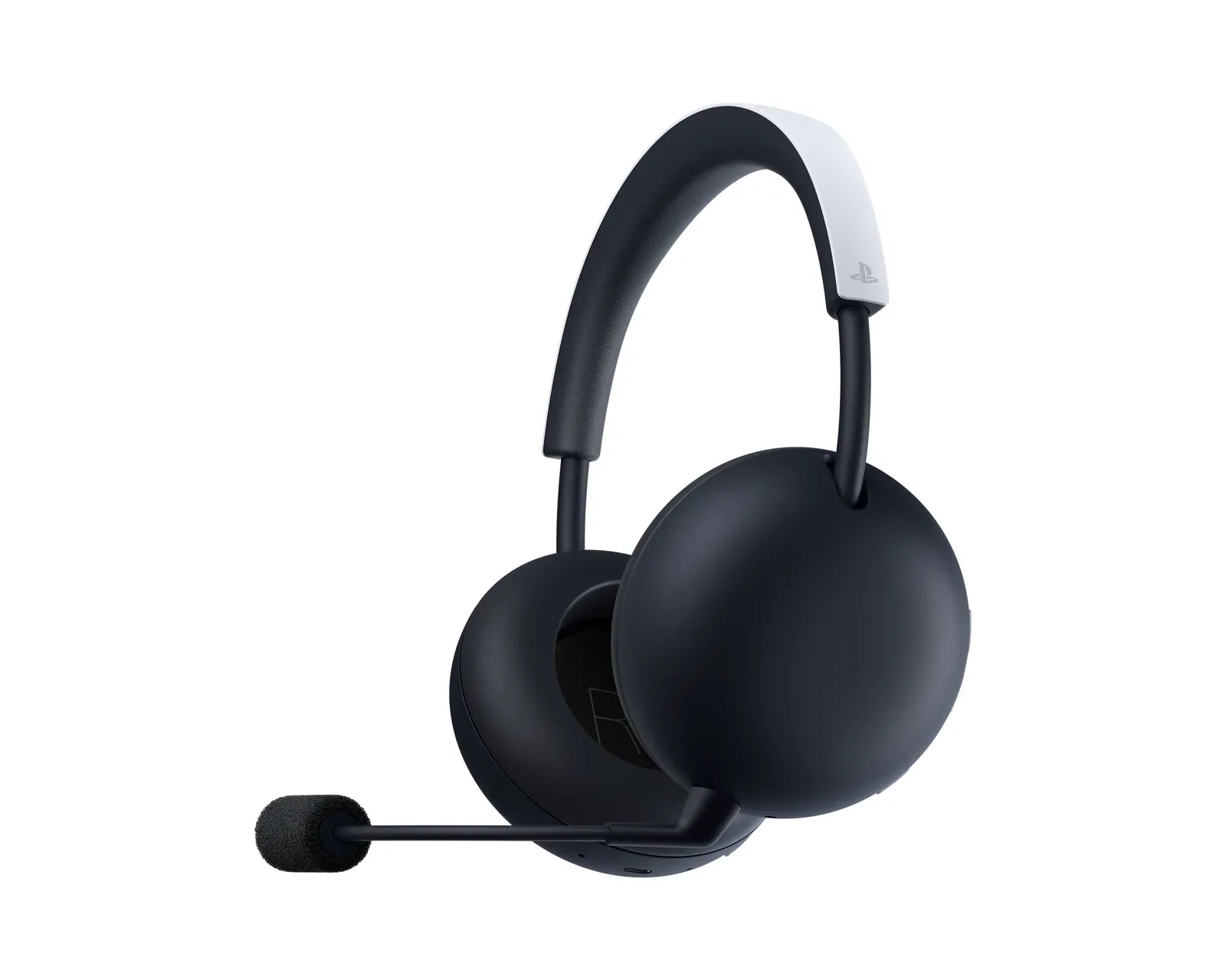
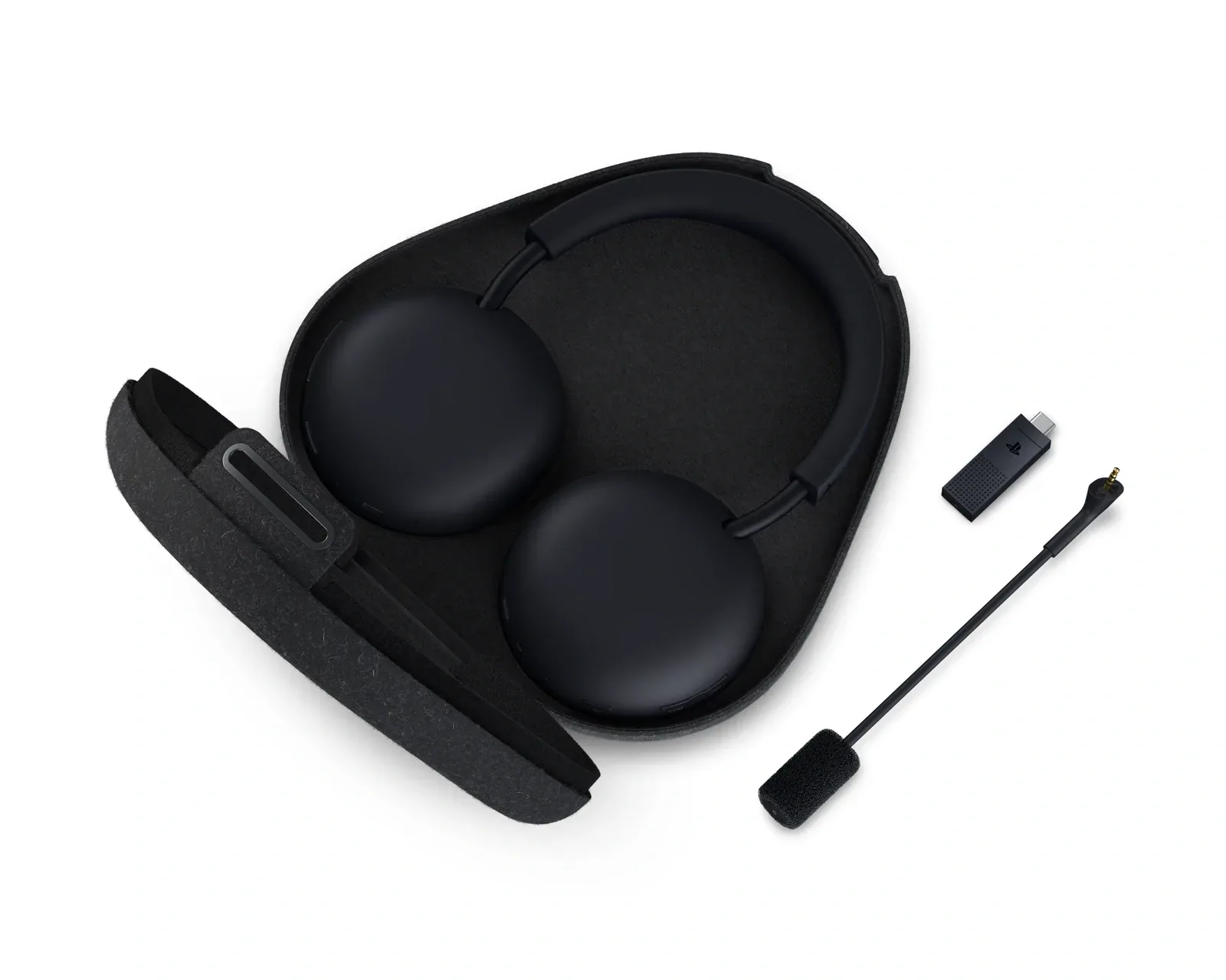
Sony lists active noise cancellation, a detachable boom microphone, premium materials, and a carrying case on the Edge page. It also describes built-in controls and simultaneous phone and game audio. Those features point toward someone who plays often, wants more isolation, or regularly uses voice chat. Pulse Edge product details
The announcement’s comparison also gives Edge onboard PS5 game/chat balance control and an audio/microphone jack; it lists neither on the standard Pulse. Both include a USB-C PlayStation Link adapter. Sony’s feature comparison
There’s an important distinction here. Microphone noise rejection aims to reduce what other people hear behind your voice. Active noise cancellation aims to reduce the background noise you hear. They solve different problems. The standard model’s microphone feature should not be read as a promise of Edge-style listening isolation.
And isolation isn’t automatically desirable. If you need to hear someone in the room, a more immersive headset may work against the evening you’re trying to have. Neither headset can negotiate whose turn it is to answer the door.
Are they worth the money?
At $99.99 before tax, the standard Pulse is a plausible purchase for someone who needs a replacement and wants its particular wireless setup. That is a shortlist judgment, not a claim that it beats every similarly priced headset.
My buying decisions would look like this:
- Your current headset is comfortable and your friends hear you clearly: keep it. The announcement hasn’t established a reason to replace something that works.
- You need a new headset and mainly play on PS5: consider the standard Pulse after checking fit, battery information, compatibility, and the seller’s return policy.
- You specifically want noise cancellation or a boom mic: wait for Edge pricing and testing before choosing it.
- You play across several consoles or want one pair for everything: verify each connection and microphone mode. “Wireless” is not a universal compatibility guarantee.
I couldn’t find an Edge price in the official announcement or product page checked for this draft on October 26, 2026. Without it, calling Edge good value would be guessing. Twice the magnets also doesn’t establish twice the enjoyment.
I would want real microphone samples, long-session comfort reports, and battery testing before recommending either as an upgrade. Don’t borrow the older Pulse Elite’s battery specification and assume it belongs to these new models.
Try one game night before buying anything
Use your current setup for an evening and write down three things: comfort after 30 minutes, whether chat is understandable, and whether the people nearby can live with the sound level. Ask a friend what your microphone sounds like instead of judging only what you hear.
Then change one setting: lower the game mix, adjust chat balance where available, or try compatible headphones you already own. If that solves the problem, you have your answer without another charging cable.
If it doesn’t, write one sentence: “I need a headset that fixes ____.” Keep that sentence beside the feature list. For a gift, ask the player to fill it in; fit and connection preferences are difficult to guess from a box.
Final Thought
Sony’s new gaming headsets make sense for everyday players as well as enthusiasts. The standard Pulse is the one I’d investigate first for a normal replacement purchase; Edge is a wait-for-price-and-proof proposition.
The purchase should improve one real game night. If you can’t name what will get better, keep the money until you can.