Trust & transparency
Evidence & disclosures
Evidence basis: Manufacturer-supplied evidence. Material claims or demonstrations came from the company responsible for the product and are not independent results.
Based on HOVERAir’s product and guide pages plus FAA registration rules; I have not flown the AQUA or tested its water, seal, or saltwater claims.
Sources checked: Aug 20, 2026
Linked references: 4 explicit sources in the article.
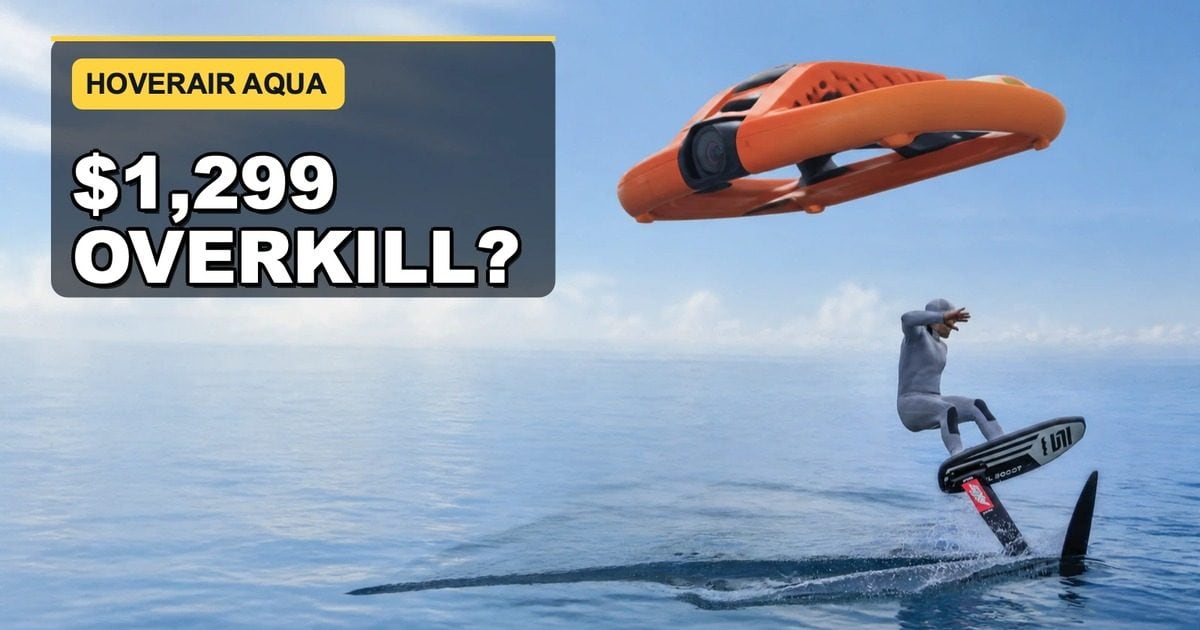
Most drones and water do not mix. HOVERAir built AQUA around that problem: a 249-gram self-flying 4K camera the company says can float, launch from water, land on water, and follow you using its wearable Lighthouse controller.
The idea is genuinely clever for kayaking, paddleboarding, foiling, boating, or fishing. The harder question is whether it solves a problem you have often enough to justify the $1,299 Standard bundle.
I have not flown an AQUA. This is a pre-buy explainer based on HOVERAir's official product page and beginner guide, not a hands-on review.
TLDR
- The U.S. Standard bundle was listed at $1,299 and out of stock when checked on August 9, 2026.
- It includes the AQUA with one battery, a Lighthouse with armband, a USB C-C cable, a repair kit, and a waterproof battery bag.
- HOVERAir lists an IP67 rating, positive buoyancy, 128GB of internal storage, and up to 23 minutes of flight time.
- Before every water launch, inspect the gasket, battery lock, USB-C cover, propellers, gimbal, and white water indicator.
- HOVERAir says AQUA does not actively avoid obstacles. You still need open space and constant supervision.
- Saltwater use requires an immediate fresh-water rinse with the battery still inserted.
- Frequent solo water creators may find real value here. Occasional vacation users should probably wait or use a waterproof action camera.
What Comes in the $1,299 Standard Bundle?
The listed Standard bundle includes:
- AQUA with one battery
- Lighthouse with one armband
- USB C-C cable
- repair kit
- waterproof battery bag
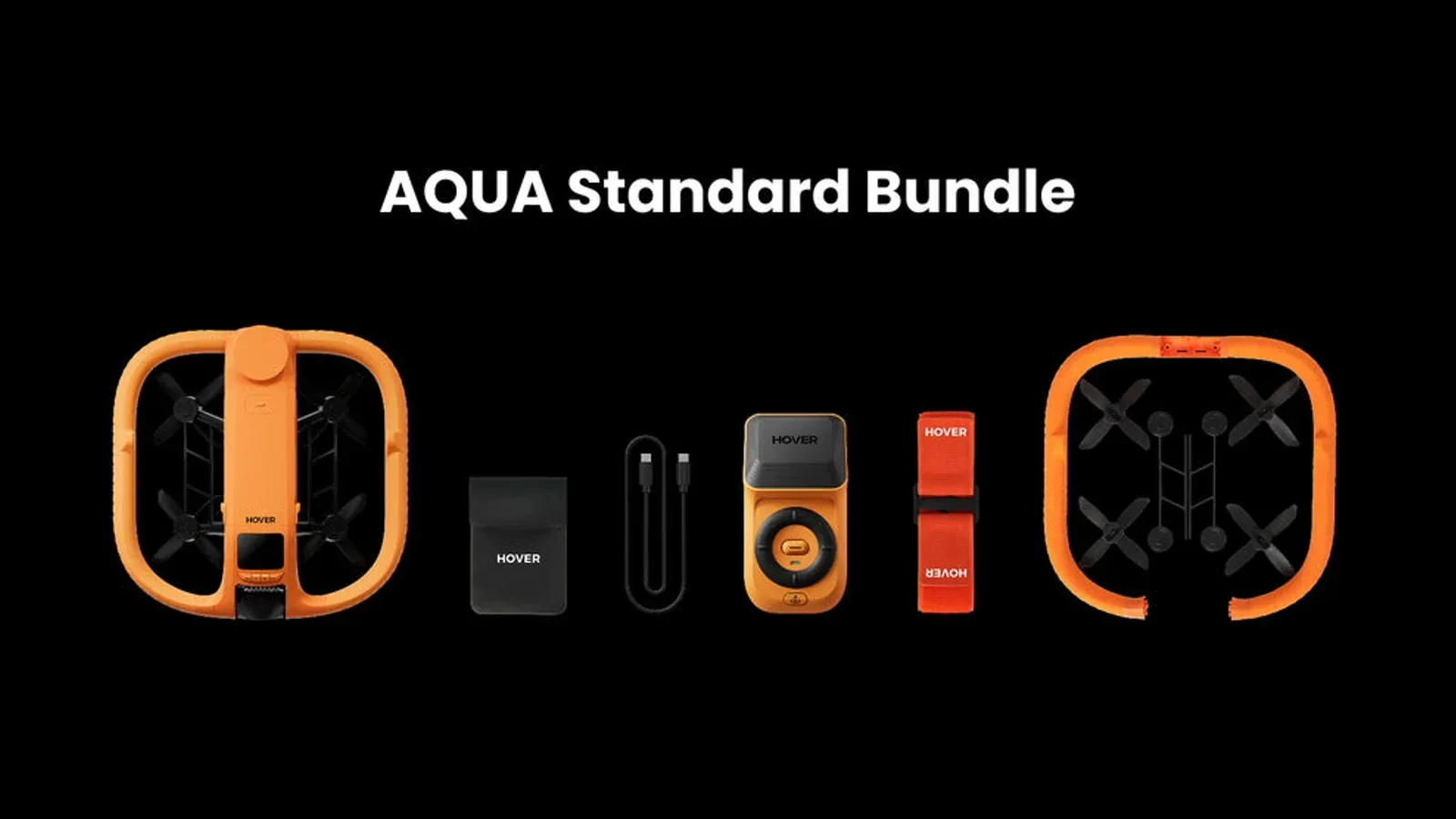
The Lighthouse matters because it is the wearable tracking and control device behind the hands-free idea. One battery matters too: HOVERAir advertises up to 23 minutes, so longer water days may require more batteries and charging gear. In other words, $1,299 can be the starting price rather than the total setup cost.
Watch HOVERAir's Official Setup Video
The video from HOVERAir's beginner guide shows the AQUA controls, pairing, water checks, flight modes, takeoff, return, and cleaning routine.
Check These Before Every Water Launch
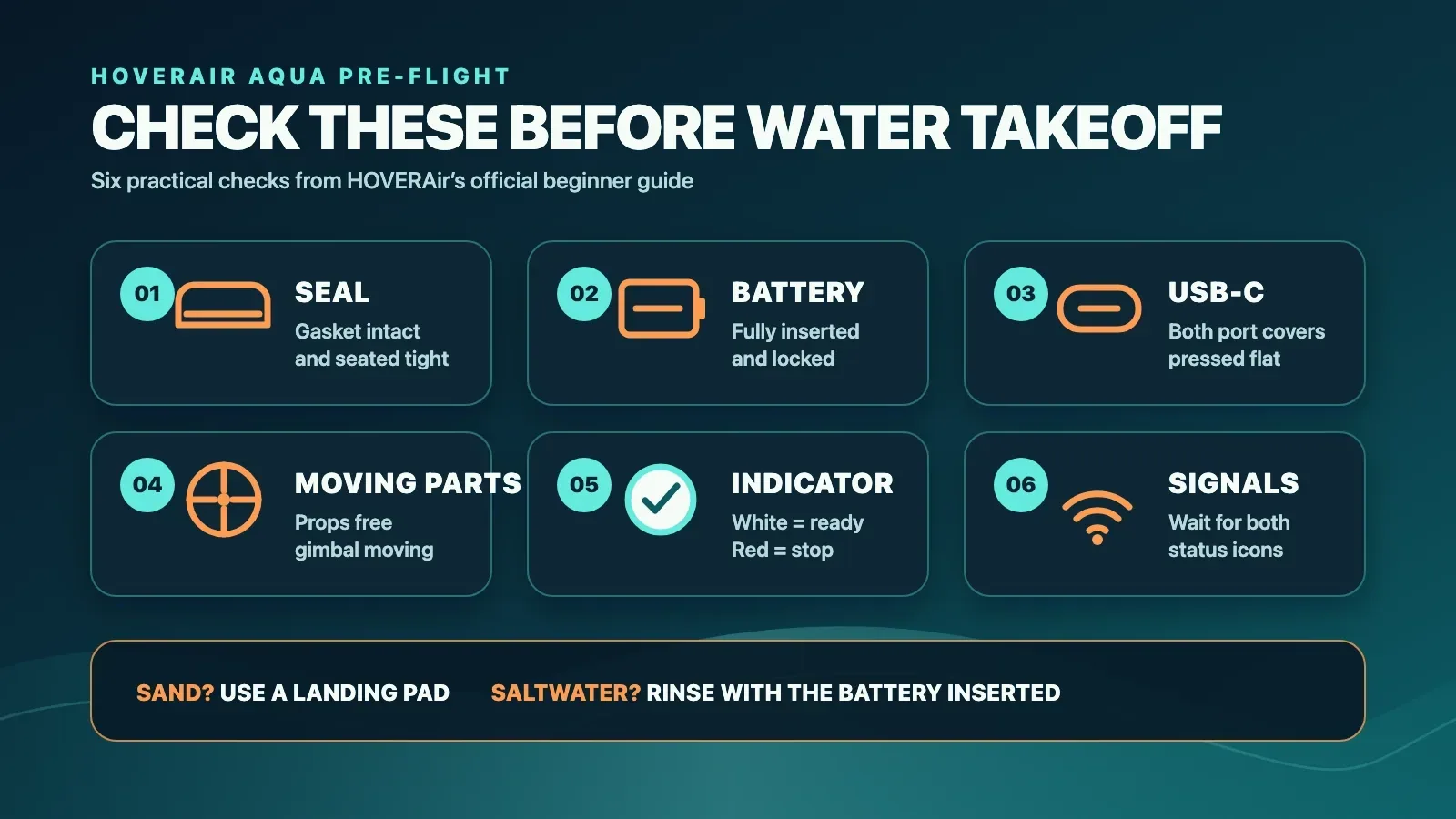
The guide's most useful advice is its inspection routine. Before worrying about Orbit or Dolly Track, check:
- Seal gasket: It should be intact, seated correctly, and tight.
- Battery lock: The battery must be fully inserted and locked.
- USB-C cover: Press the AQUA and Lighthouse port covers completely flat.
- Propellers and gimbal: Propellers should turn freely and the gimbal should move correctly.
- Water indicator: It must be fully white. Do not use the aircraft if it is red.
- System status: Wait for the OmniTerrain and Lighthouse Tracking icons before launching.
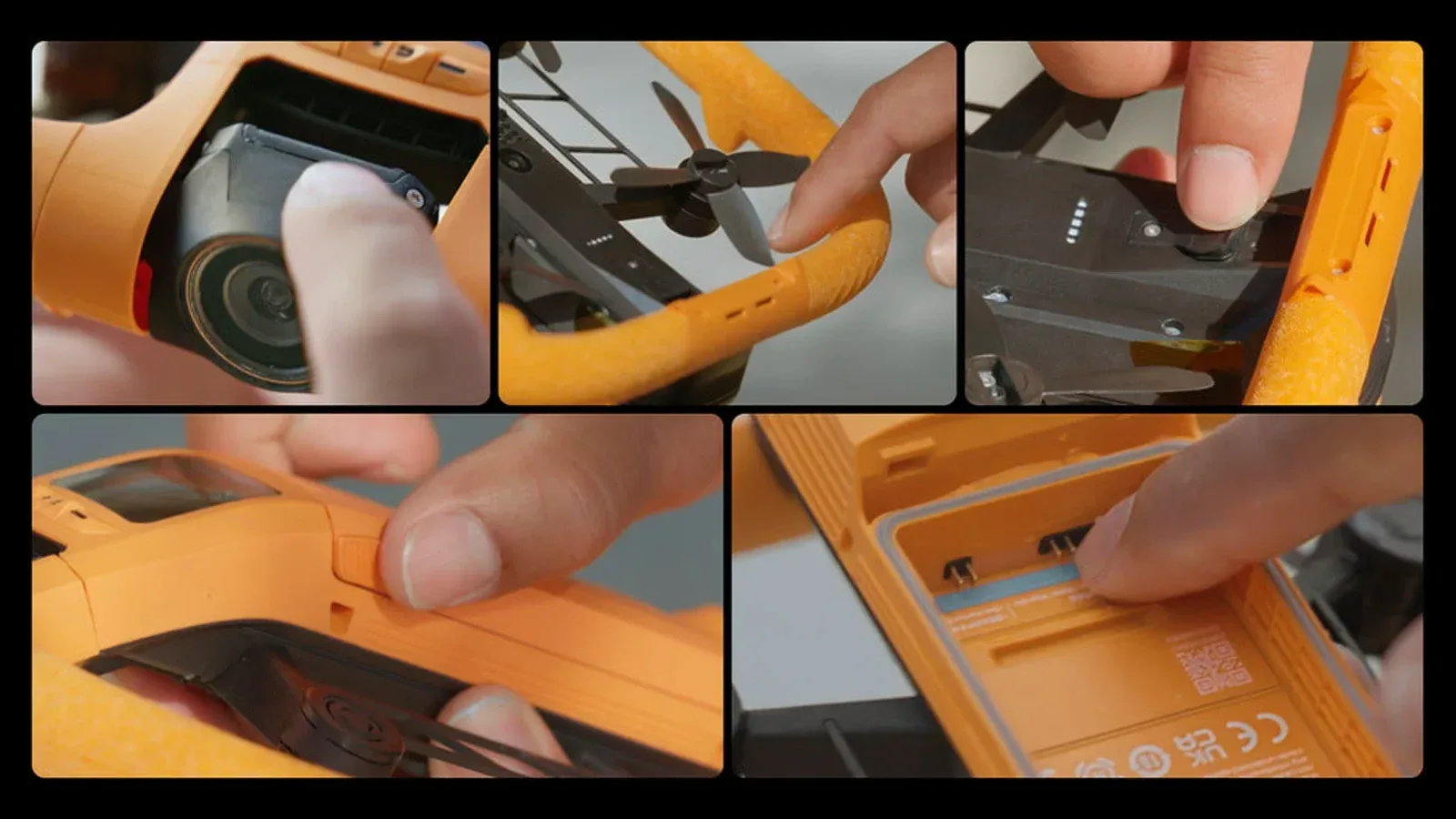
HOVERAir also says not to launch or land directly on sand, to use the Lighthouse's double-lock attachment during water sports, and to keep its antenna area clear and facing up. The guide recommends at least five meters of follow distance over water.
That is the practical meaning of “waterproof” here: the product is designed for wet use, but the owner still has to preserve the seals and follow the checklist. “World's first” and “100% waterproof” are HOVERAir's descriptions, not independent findings from me.
The Big Limitation: No Active Obstacle Avoidance
HOVERAir's product FAQ says its drones do not actively fly around obstacles. Tracking you does not mean AQUA understands every dock, mast, bridge, fishing line, tree branch, swimmer, or boat nearby.
I would treat it as an open-water camera that still needs a responsible operator. If your normal route is narrow, crowded, covered, or full of dock hardware, this may be the reason to wait.
Saltwater Means a Cleanup Routine
After saltwater use, HOVERAir instructs owners to:
- Dry their hands and check the water indicator.
- Keep the battery inserted while rinsing the complete aircraft under running fresh water for a few minutes.
- Gently turn the propellers and move the gimbal during the rinse to clear salt or sand.
- Pat the lens dry instead of rubbing grit across it.
- Confirm the battery port is dry and the indicator is white before changing batteries.
- Check the connectors for corrosion and stop using the device if corrosion appears.
That routine is reasonable for someone already used to rinsing fishing, paddling, or camera gear. It may feel like a chore to someone who wants a zero-maintenance vacation gadget.
Who Is AQUA Really For?
AQUA makes the strongest case for someone who regularly films on open water, often creates alone, wants moving aerial shots, and will do the preflight and cleanup routines every time. For that person, water takeoff, positive buoyancy, a wearable controller, and specialized Kayak, SUP, and Foil modes address a real problem.
I would wait if I only needed it for one or two trips, wanted active obstacle avoidance, disliked gear maintenance, or still needed independent proof of tracking, return behavior, app reliability, saltwater durability, and real flight time.
A waterproof action camera on a fixed or handheld mount will be cheaper, simpler, and easier to trust around obstacles. It will not give you the same aerial view, but it may cover most of the footage you actually use.
A 30-Second Buying Test
Before spending $1,299, answer three questions:
- Can I name several water days in the next year when hands-free aerial tracking would matter?
- Will I inspect the seals before every launch and rinse the aircraft after saltwater use?
- Have I budgeted for the batteries and charging setup I really need?
Three honest yeses put AQUA on a reasonable shortlist. One or zero makes it impressive overkill. Two means I would wait for more independent owner testing.
One Short Rules Reminder
HOVERAir lists AQUA at 249 grams, but that does not mean you can fly anywhere. U.S. recreational pilots still need the FAA's free TRUST safety test, must follow airspace rules, and may need authorization in controlled airspace. Part 107 flights require registration regardless of weight. Beaches, parks, marinas, and waterways can also have their own launch restrictions.
Bottom Line
HOVERAir AQUA is more than a normal drone with a waterproof label. Its floating design, water takeoff, Lighthouse tracking, and water-specific modes could remove a lot of camera-crew work for a regular kayaker or solo creator.
The honest tradeoff is one battery in the Standard bundle, careful preflight checks, immediate saltwater cleanup, no active obstacle avoidance, and a $1,299 starting price.
If you film on open water often, that could be clever creator gear. If you only want better footage from two beach weekends a year, it is probably overkill.
Sources
- HOVERAir AQUA Beginner's Guide: Everything You Need to Know, published May 12, 2026; accessed August 9, 2026.
- HOVERAir AQUA U.S. product page, accessed August 9, 2026. Price, stock, bundle contents, and specifications can change.
- FAA: Recreational Flyers and Community-Based Organizations, updated March 18, 2026; accessed August 9, 2026.
- FAA: How to Register Your Drone, accessed August 9, 2026.