
Trust & transparency
Evidence & disclosures
Evidence basis: First-person field notes. The article is based on Colin's own project, flight, recovery experience, media, or documented workflow.
A personal account of why family, advocates, documents, and practical support mattered during major surgery; it is not legal or medical advice.
Sources checked: Aug 20, 2026
A few months ago, I would have told you I was relatively prepared for life. I had a job. I had a home. I had savings. I had retirement accounts. Like many people in their 20s, 30s, and even 40s, I spent most of my time thinking about the future: career goals, vacations, projects, hobbies, and retirement.
What I was not thinking about was what would happen if I suddenly became unable to take care of myself. Then came major surgery.
When You Cannot Advocate for Yourself
When you are lying in a hospital bed recovering from a serious medical procedure, you quickly realize how much of your life depends on other people. Not just doctors and nurses, but family, friends, advocates, and support systems.
During my hospitalization and recovery, I had my mother, father, sister, and brother helping me through the process. They checked on me, asked questions I was not thinking about, helped coordinate information, managed things at home, and simply made sure I was not facing the experience alone.
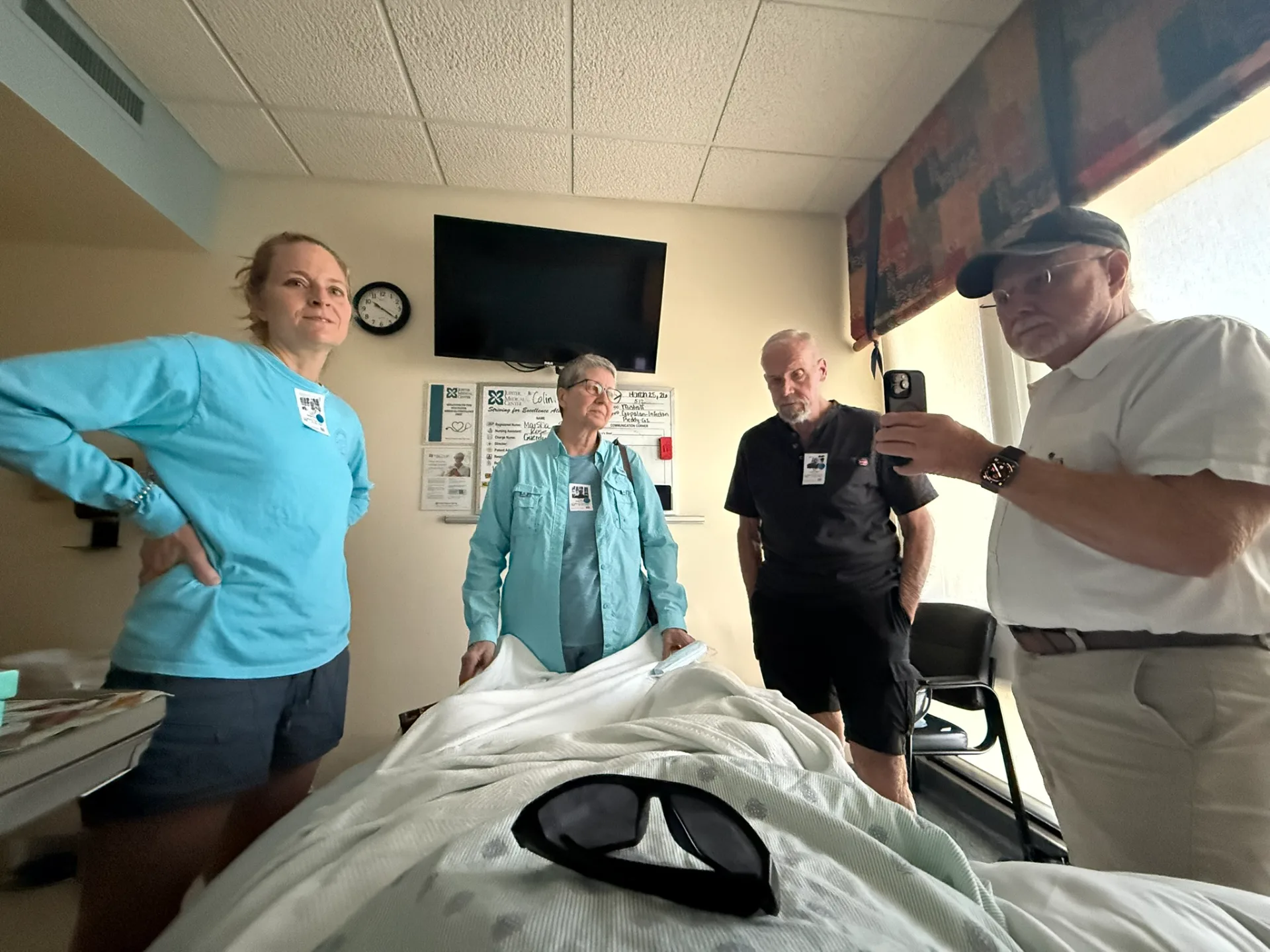
I cannot overstate how important that support was.
Recovery note
The Patients Who Had Nobody
At the same time, I saw something that stuck with me. I saw patients who had nobody.
People were sitting alone in hospital rooms for days. No visitors. No advocates. No family members asking questions. No one helping them understand what was happening. No one helping coordinate their care after discharge.
It made me realize something uncomfortable: many of us spend years preparing financially for retirement, but very few of us prepare for a medical crisis.
The Reality of Being a Patient
When you are healthy, it is easy to assume you will be able to handle whatever comes your way. The truth is that major illness, injury, or surgery can temporarily remove your ability to make decisions, coordinate appointments, manage paperwork, or even remember important conversations.
When that happens, somebody has to step in. If you do not have a trusted person designated to help make decisions or advocate on your behalf, decisions may be left to whoever is available at the time.
Healthcare professionals work hard, but they are managing many patients at once. Nobody will ever be as invested in your wellbeing as the people who know and care about you. That is why having a support network is not just emotionally valuable. It is medically valuable.
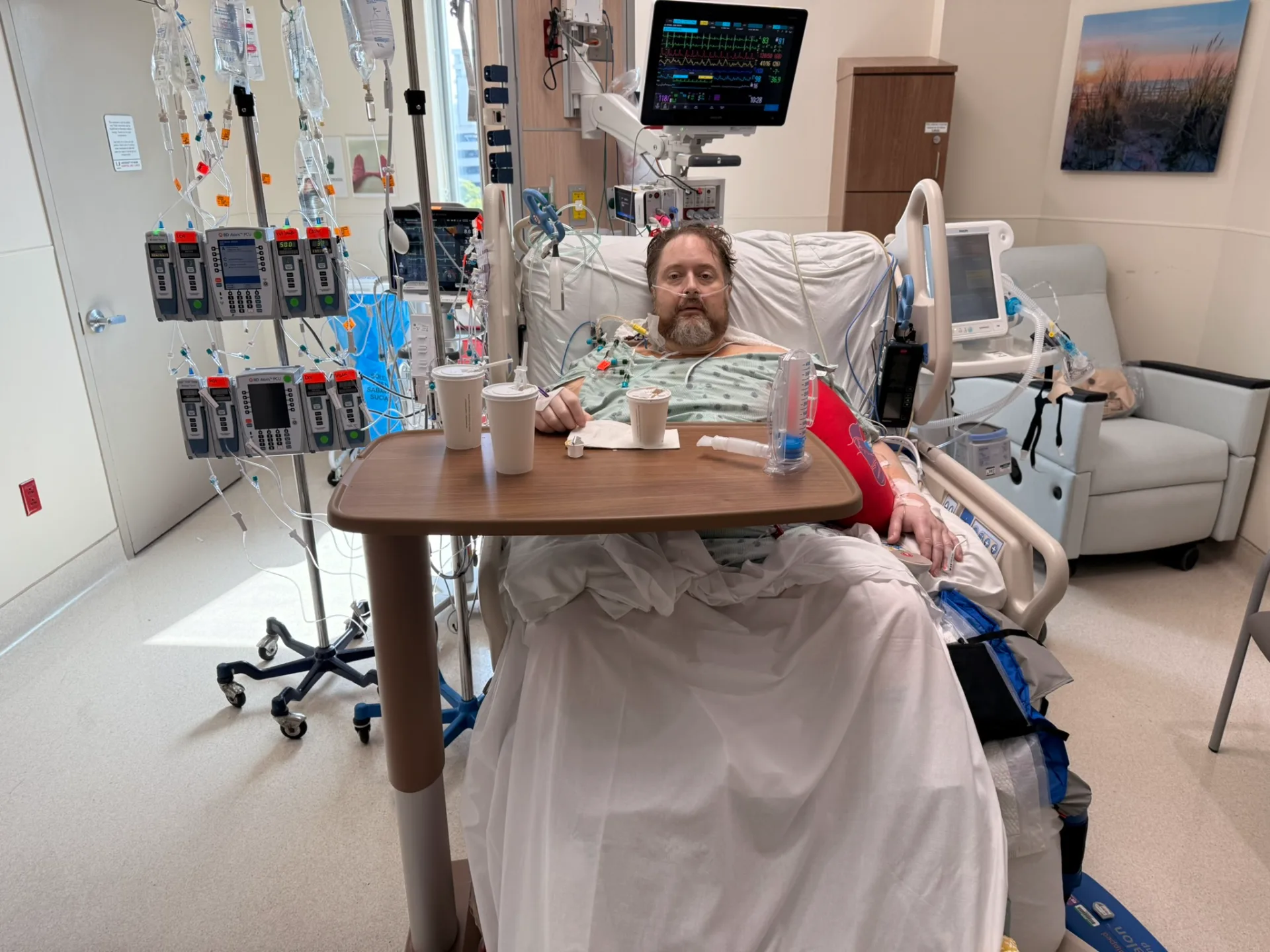
Healthcare Is More Complicated Than Most People Realize
One of the biggest surprises for me was how fragmented the healthcare system can feel. Different doctors, specialists, hospitals, pharmacies, laboratories, and insurance companies often operate independently. Information does not always flow smoothly.
Bills arrive from places you did not know existed. Specialists may visit your room for a few minutes and generate charges that show up weeks later. Questions about coverage, deductibles, copays, and out-of-pocket maximums often arrive at the exact moment you are least prepared to deal with them.
The stress of recovering from surgery is difficult enough. Trying to decipher medical bills while recovering can feel overwhelming.
Why Health Insurance Matters
Before this experience, I understood that health insurance was important. After this experience, I understand just how critical it is.
Without health insurance, many major medical events can create life-changing financial consequences. A serious surgery, hospitalization, rehabilitation program, specialist visits, imaging, laboratory work, medications, and follow-up care can easily create costs that most families would struggle to absorb.
For many people, a medical emergency without insurance could wipe out years of savings. If you currently do not have coverage, make researching your options a priority before a crisis forces the issue.
Documents Every Adult Should Consider Having
These documents are not just for older adults. They are for anyone who wants a voice when they cannot speak for themselves.
- Advance directive: documents your wishes regarding medical care if you become unable to communicate.
- Living will: outlines the types of medical treatment you would or would not want under certain circumstances.
- Healthcare surrogate or medical power of attorney: designates a trusted person to make medical decisions on your behalf.
- Financial power of attorney: allows someone you trust to manage financial matters if you become temporarily incapacitated.
- Will or trust: helps ensure your assets and wishes are handled according to your intentions.
Do Not Forget Work-Related Benefits
Medical insurance is only one part of the safety net. If you are employed, take time to understand what benefits and protections may apply before you need them.
- Short-term disability insurance.
- Long-term disability insurance.
- Family and Medical Leave Act protections.
- Employer leave policies.
- Health Savings Accounts or Flexible Spending Accounts.
- Emergency savings.
- Life insurance.
Create the Plan Before You Need It
The biggest lesson from my recovery was not about surgery. It was not about medicine. It was not even about healthcare. It was about people.
The reality is that none of us know what tomorrow holds. A serious illness, accident, or unexpected diagnosis can happen at any age. What matters is whether you have a plan when it does.
- Build relationships.
- Stay connected to family.
- Invest in friendships.
- Know who would answer the phone if you called from a hospital room.
- Put your important documents in order.
- Understand your insurance.
- Create a plan before you need one.
When life takes an unexpected turn, preparation is not about expecting the worst. It is about making sure you do not face it alone.
This article reflects my personal experiences and lessons learned during recovery from major surgery. It is not legal, financial, or medical advice. Consult qualified professionals regarding insurance coverage, estate planning, advance directives, employment benefits, and healthcare decisions.