Trust & transparency
Evidence & disclosures
Not yet classified. This article has not yet been classified under the current editorial standard. It may predate the policy; do not assume a product was owned, tested, supplied, or independently verified unless the article says so.
Linked references: 17 explicit sources in the article.
I used to think the danger of a new hobby was buying too many toys. Now apparently I need to budget for their funerals.
You discover an AI tool. You watch the demo. You start imagining the video, app, website, or completely unnecessary side project you could finally make with it.
Then, somewhere between learning the buttons and actually finishing the thing, the company announces that your exciting new tool is being retired, absorbed, replaced, or “sunset.”
Sunset. Such a peaceful word for having to rebuild your project on a Tuesday.
And yes, before anybody points it out, I am absolutely going to tell you that Astra is the best new thing and is ready to kill off more of yesterday's favorites. I can see the irony. I have given the irony a shovel.
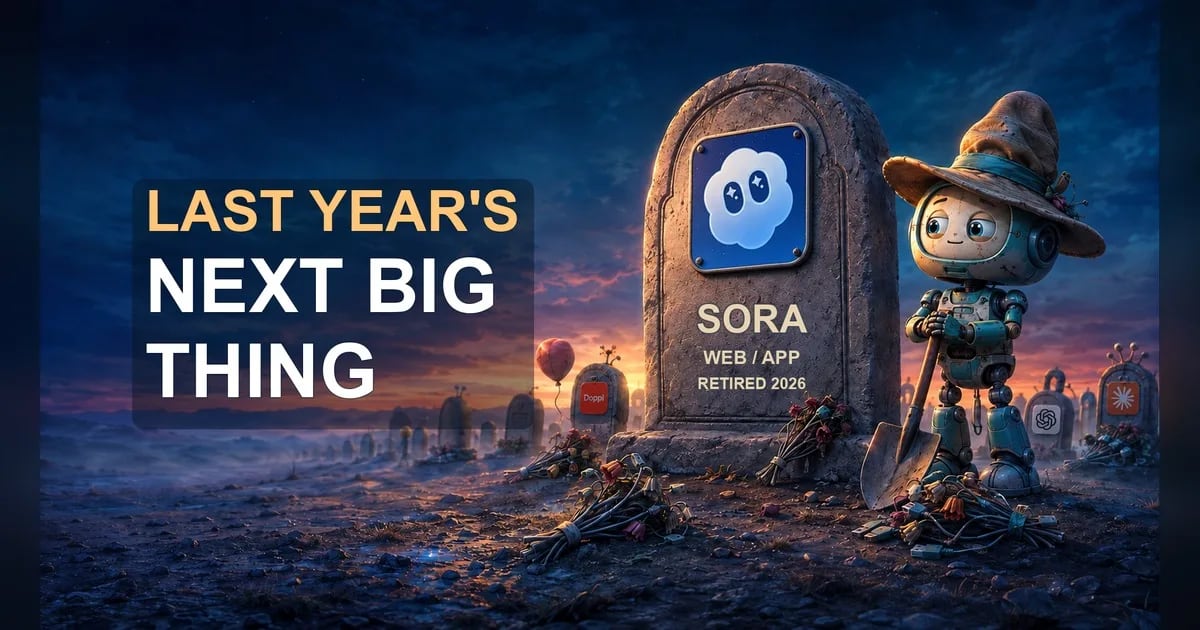
Welcome to the cemetery of “this changes everything”
Killed by AI supplied the inspiration for this walk through the headstones. When checked on September 5, 2026, the site displayed 111 entries and an August 23 update date. It catalogs models, apps, services, startups, and hardware under a wonderfully bleak graveyard theme.
It is a useful place to discover stories. Its total needs context: a discontinued app, an old model version, a renamed assistant, and an entire failed company are very different things. I would not read that number as 111 businesses that a smarter chatbot put out of business.
That distinction actually makes this more interesting. Sometimes AI replaces an older AI. Sometimes the company moves a useful feature into another product. Sometimes the obituary is doing more work than the evidence.
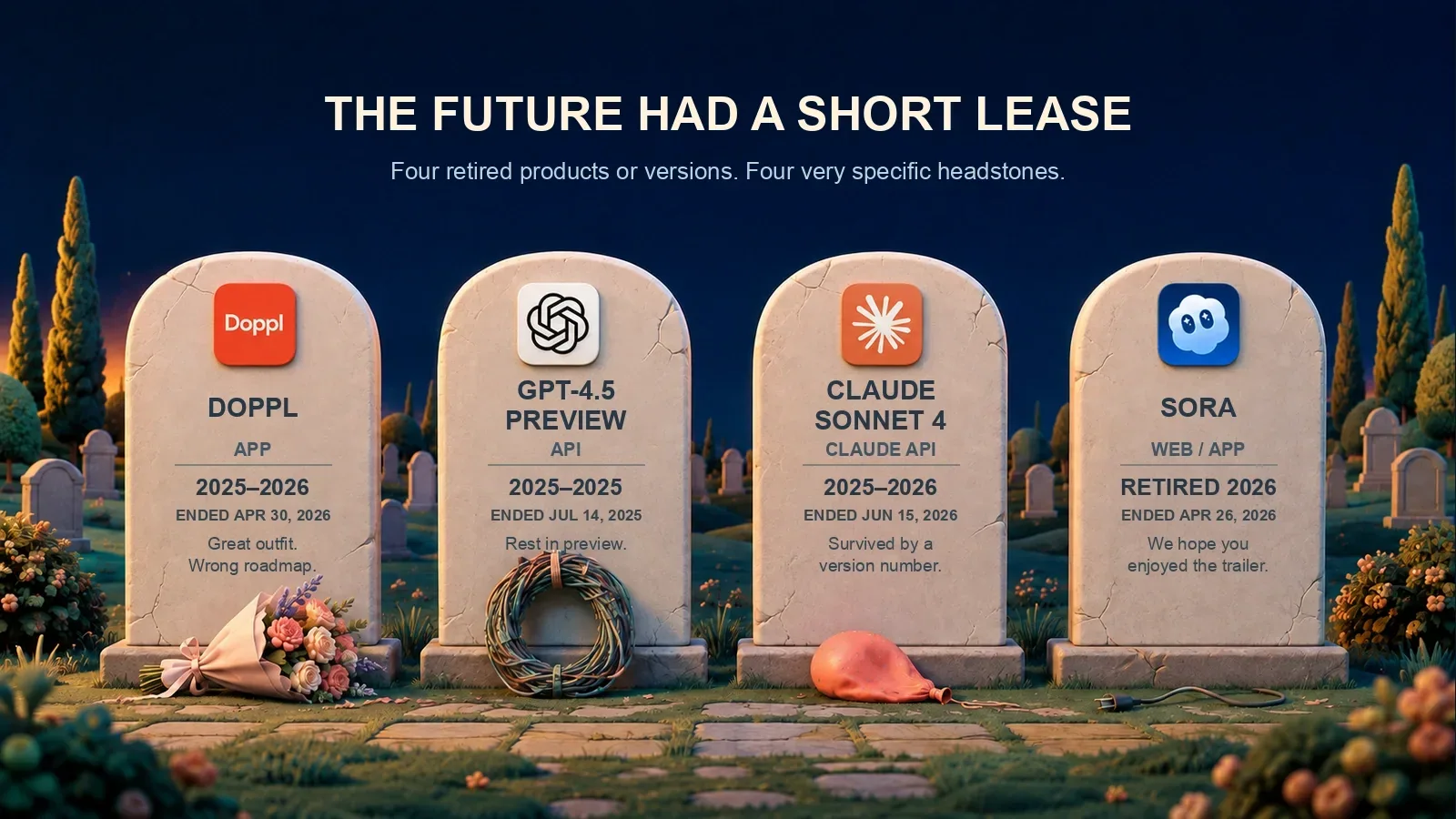
So let's visit a few specific graves with the paperwork attached. “Last year” here means 2025; some products began earlier, while others barely made it out of that year's launch cycle.
Sora: the movie had a surprisingly short theatrical run
OpenAI launched Sora 2 and its new Sora app on September 30, 2025, promoting a leap in video generation with synchronized sound. That is a pretty good candidate for last year's exciting new toy. OpenAI's launch announcement
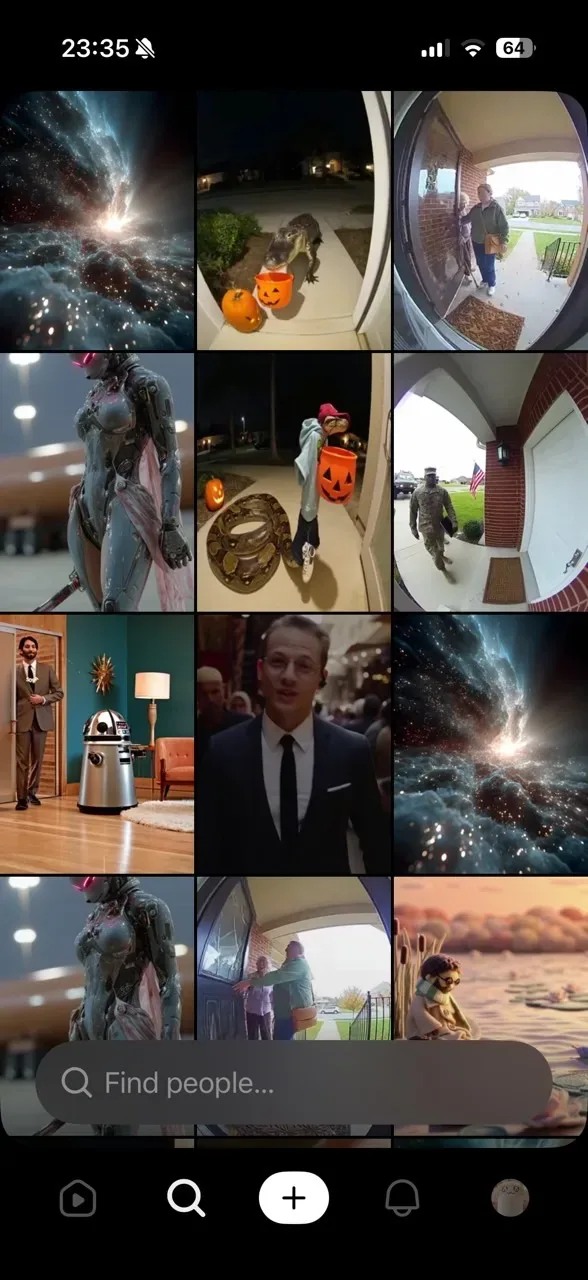
OpenAI's current notice says the Sora web and app experiences ended on April 26, 2026. The API—the connection other applications use—is scheduled to end on September 24, 2026. As of this article's September 5 check, that second date is still ahead. OpenAI's discontinuation notice
The headstone therefore says Sora web/app. The notice also provides a content-export route, so I am not repeating the graveyard site's suggestion that everyone's portfolio simply vanished overnight.
Who made the call? OpenAI. The shutdown notice establishes the decision and dates; it does not establish every dramatic financial explanation circulating online.
Suggested epitaph: We hope you enjoyed the trailer.
Doppl: dressed for the future, gone by spring
Google introduced Doppl on June 26, 2025. The idea was wonderfully easy to understand: put an outfit on a digital version of yourself and see whether you liked the look. No changing-room lighting required. Google's Doppl introduction

Google's shutdown notice set April 30, 2026 as the end of the app and access to its data. It directed people toward Google's virtual try-on experience and told them to save their looks beforehand. Google's Doppl shutdown instructions
Who made the call? Google. The separate app ended; the broader try-on idea continued elsewhere. That is product consolidation with a moving bill for the user.
Suggested epitaph: Great outfit. Wrong roadmap.
Whisk: please forward my mail to Flow
There is a neighboring plot for Whisk, Google's image-remixing experiment. Its interface offered a wonderfully approachable invitation: bring some images, describe an idea, and see what happens. You can understand why somebody would get comfortable there.
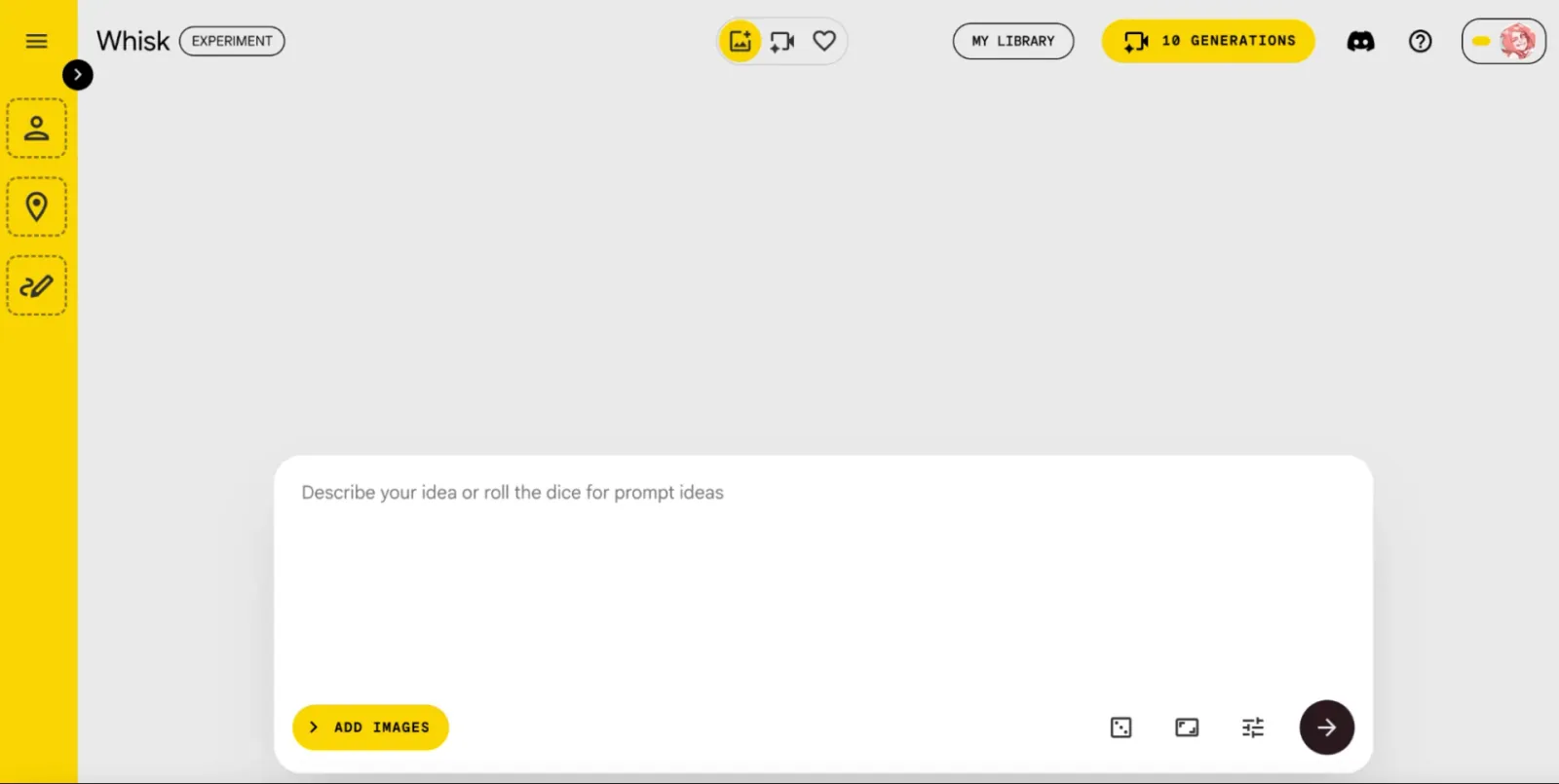
Google said Whisk would end on April 30, 2026 as capabilities moved into Flow. Its notice warned that migration was optional rather than automatic, and some regions lacked a migration path. A newer destination does not guarantee an easy journey for everyone. Google's Whisk-to-Flow notice
Who made the call? Google. The standalone workspace closed while capabilities continued in another product. Suggested epitaph: Moved to a better place. Please re-upload your belongings.
GPT-4.5 Preview: rest in preview
GPT-4.5 arrived on February 27, 2025 as a research preview, with OpenAI emphasizing more natural conversation and creative usefulness. The launch post also acknowledged that it was expensive to run and that long-term API availability was under evaluation. The temporary sign was there from the beginning. OpenAI's GPT-4.5 introduction
Then OpenAI shut down GPT-4.5 Preview in the API on July 14, 2025, naming GPT-4.1 as the recommended replacement. That specific version went from introduction to retirement in less than five months. OpenAI's API retirement record
Who made the call? OpenAI. This is a model-version retirement with an announced replacement. It is not evidence that every GPT-4.5 experience disappeared on that same date.
I have seen software get old before. Usually I had time to forget the password first.
Claude Sonnet 4: last year's replacement gets replaced
Anthropic introduced Claude Sonnet 4 and Opus 4 on May 22, 2025, presenting them as a major advance for coding, reasoning, and AI agents. Anthropic's Claude 4 introduction
Its current retirement record says those original Sonnet 4 and Opus 4 models left the Claude API on June 15, 2026. That is a little over a year after the public launch. The cemetery site's “less than a year” description does not match those dates. Anthropic's model retirement record
Who made the call? Anthropic. Specific models were retired while the Claude family continued. Last year's successor became this year's migration task.
Suggested epitaph: Survived by a higher version number.
GPT-4o: please read the small print on the stone
OpenAI retired GPT-4o from ordinary ChatGPT use on February 13, 2026, with a later April 3 cutoff for specified business and education customers using it inside custom GPTs. Its notice distinguished those changes from API access. OpenAI's GPT-4o retirement explanation
Who made the call? OpenAI. If you liked that particular ChatGPT experience, a replacement model could be more capable on paper and still feel different to use.
“Better” does not automatically mean “the same thing I built my routine around.” That is part of the cost these cheerful upgrade announcements tend to leave for users to discover.
A couple of these graves need a second opinion
Google's Bard-to-Gemini announcement describes a name change and expanded product offering. There is a difference between burying a brand name and switching off the service. Google's Bard-to-Gemini announcement
And although Killed by AI includes “Jasper AI (Original Platform),” Jasper's current website is actively offering an AI marketing platform, pricing, and a trial. That does not prove how healthy the business is. It does mean I cannot honestly tell you Jasper is simply dead.
Apparently even the AI graveyard needs someone walking around saying, “Excuse me, this one is still billing customers.”
The site deserves credit for collecting the stories. The individual claims still deserve checking.
So who's to blame?
My first answer is the companies making the decisions. In the examples above, OpenAI, Google, and Anthropic chose which products or versions to keep available. “AI killed it” can make a human business decision sound like a weather event.
There are reasonable reasons to retire software. Maintaining every old model forever costs money. A consolidated product can be easier to improve. A research preview really is an experiment. Those reasons do not erase the work customers may have to redo.
The standard I want is fairly ordinary: clear notice, useful exports, an understandable replacement, and enough time to move. If your product becomes part of somebody's working day, helping them leave should be part of the job.
Then there is the pressure on small projects. Imagine building a whole app around one clever trick, and tomorrow a larger platform includes that trick in something people already use. That can squeeze a business without proving it has died. The projects with reasons to return—good service, a useful workflow, specialist knowledge, a community—have more to offer than novelty alone.
And then there is the hype. Every launch invites us to feel that staying with yesterday's tool means falling behind. A sensible improvement somehow becomes a reason to reconsider our entire lives before lunch.
I am not standing outside that problem with a clipboard. I am in the line for the next demo.
And now, please welcome Astra, carrying a shovel
Of course I think Astra is the best new thing.
By Astra, I mean GPT-6 Astra in Codex, the new arrival described in OpenAI's introduction. That “best” is my enthusiasm talking; this article is not a benchmark comparison.
I can walk through a cemetery of yesterday's breakthroughs, nod thoughtfully about the dangers of chasing novelty, and then immediately announce that this new one is going to replace half the tools we just finished learning.
Outstanding self-awareness. Absolutely no evidence that it will stop me.
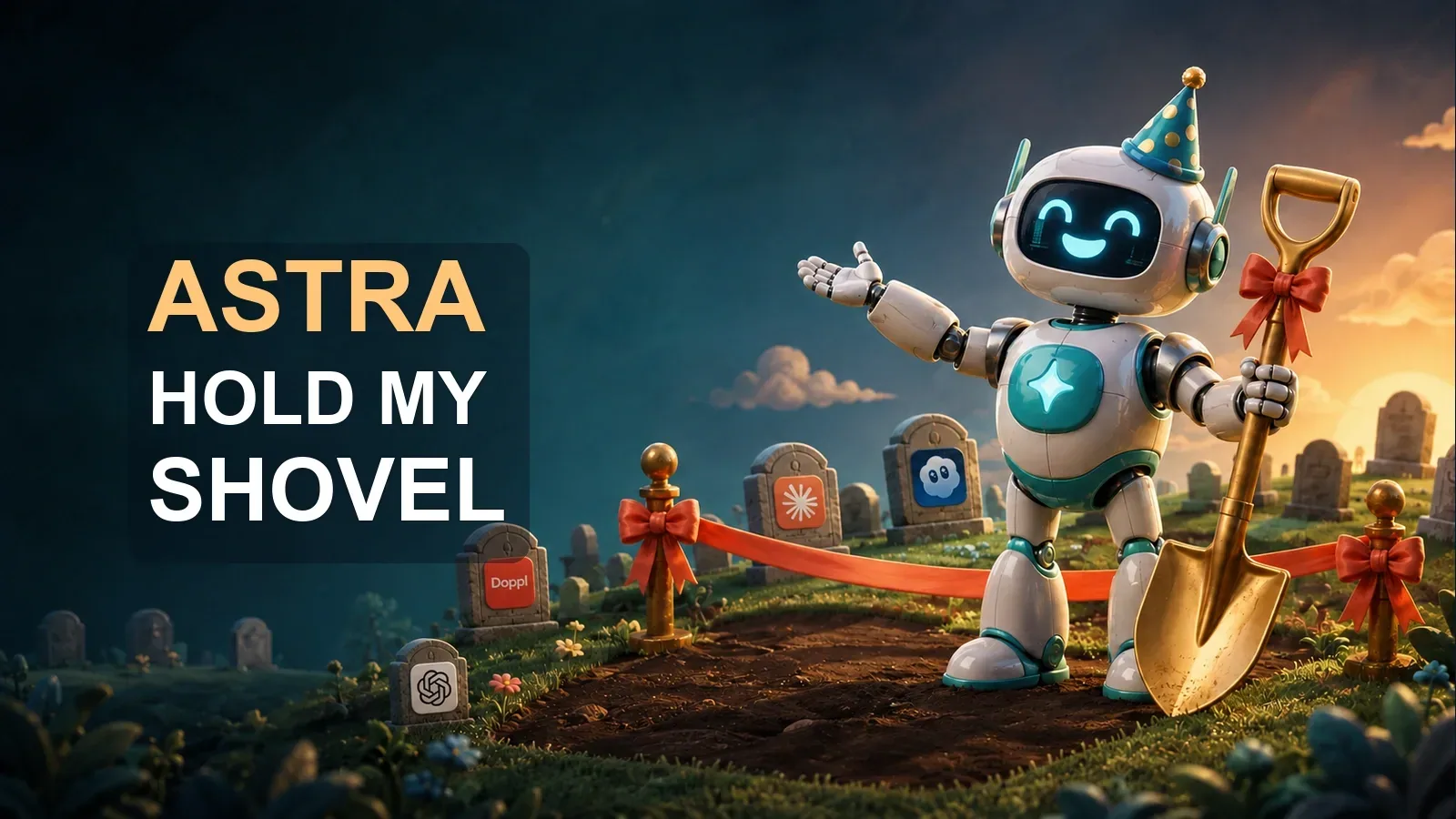
The honest hope is that a more capable assistant helps me finish the project I care about, with fewer separate tools to manage. The trap is spending all the time supposedly saved researching the next assistant.
So yes: Astra, welcome aboard. I am excited to see what you can replace. Please understand that the ceremonial shovel also comes with a requirement to help me finish something.
Before your favorite tool gets a headstone
Pick one AI tool you use and try this little exit test:
- Can I save the useful result outside it? Download a document, image, video, or source file and check that it opens.
- Can I keep the instructions that made it useful? Save the prompt, reference material, and important settings somewhere you control.
- Can I finish the same task another way? Name one alternative, including doing the last part yourself.
Give yourself one point for each yes. Three means you have a practical exit route. One or two means you have something to tidy up. Zero means your next task is an export, before another product tour.
This is a simple planning exercise, not a prediction of which company survives. You can still enjoy the new toy. Just make sure the work belongs to you when the novelty wears off.
Final Thought
I like new technology. I like the moment when a project that felt out of reach suddenly looks possible. I do not want to lose that just because the industry's cemetery has an expansion plan.
What I want to get better at is keeping the useful thing I made, instead of treating the tool that made it as a permanent fixture.
Yesterday's AI was the future. Today's AI is replacing it. Tomorrow's will probably offer to write a respectful tribute to both.
And I will probably ask Astra to make the funeral slideshow.
Which retired AI tool do you actually miss—and which one did you stop using before the company did?
Research and status check: September 5, 2026. Inspired by Killed by AI and checked against the linked provider notices. Historical screenshots and product imagery are credited beside each image; they document the old interfaces and are not Colin's hands-on testing. Graveyard illustrations are AI-generated editorial satire with locally added typography and service icons shown for identification. The marks belong to their respective owners.